Must-Visit Historically Black Colleges: Highlighting the Top 7 in the USA
Explore our curated list of top Historically Black Colleges in the USA, highlighting institutions renowned for empowering students through rich academic and cultural experiences. Discover what makes these Historically Black Colleges stand out, offering diverse opportunities for growth and success.
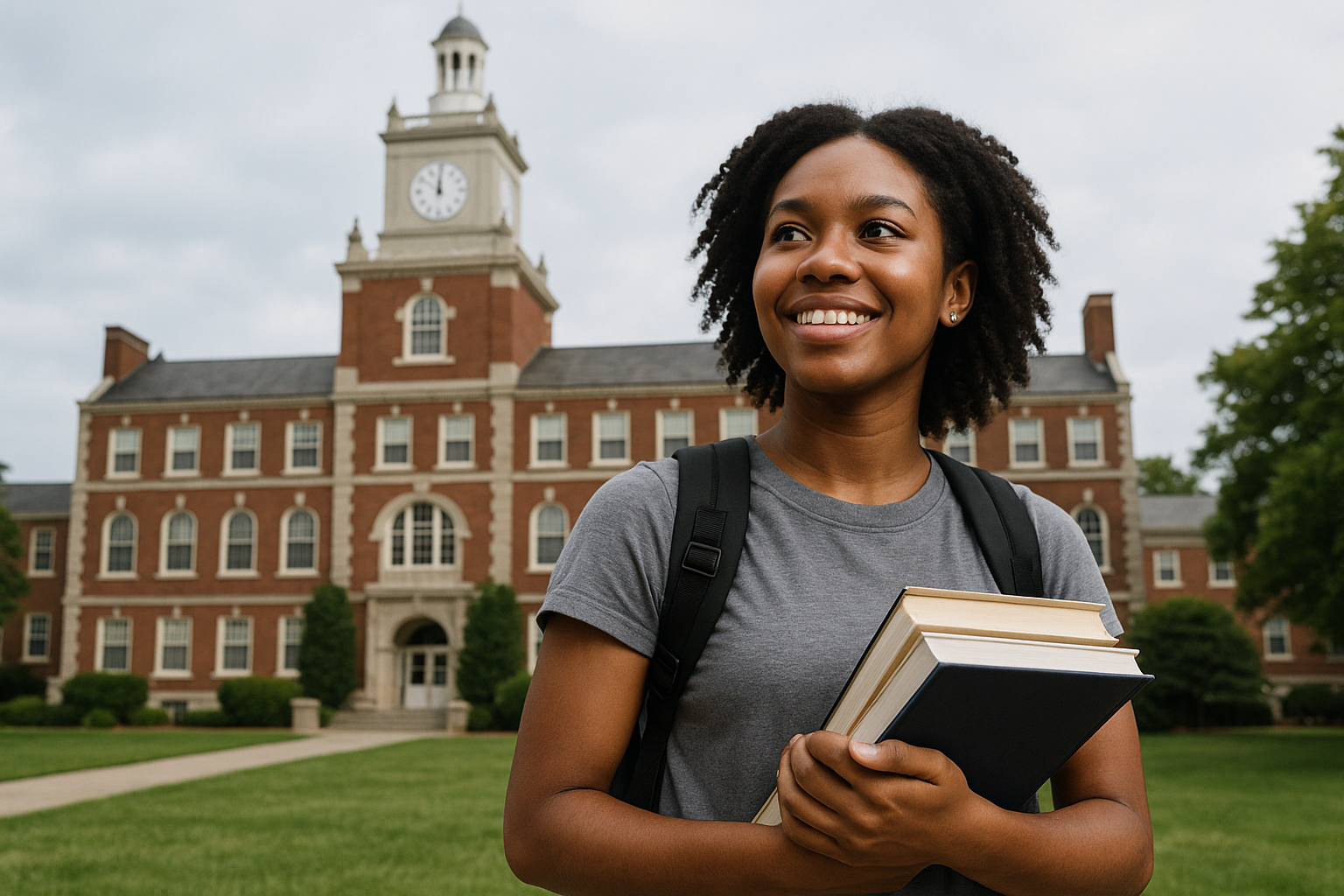
Understanding Historically Black Colleges and Universities (HBCUs)
Historically Black Colleges and Universities (HBCUs) have been instrumental in providing higher education opportunities to African Americans during times when access to traditional educational institutions was restricted. These institutions have not only shaped individuals but also contributed significantly to the social, political, and cultural landscape of the United States. As of 2026, HBCUs continue to be centers of excellence and cultural preservation, drawing students who are eager to engage in an educational experience rich in history and diversity.
The Legacy and Importance of HBCUs
HBCUs were primarily founded after the Civil War, a time when African Americans had limited access to education due to segregationist policies. These colleges became spaces where African American students could receive quality education and develop skills necessary for professional advancement. Today, HBCUs maintain their mission by fostering environments that encourage cultural pride and academic achievement. The community-centric approach of HBCUs allows students to connect deeply with their cultural heritage while preparing for diverse professional landscapes.
The Top 7 Historically Black Colleges in the USA
As of 2026, several HBCUs have distinguished themselves through academics, cultural contributions, and social impact. Here's an insightful look into the top seven historically Black colleges in the United States:
1. Howard University
Located in Washington D.C., Howard University is often dubbed the "Mecca" of HBCUs due to its significant cultural and social influence. Known for its rigorous academic programs, Howard offers a comprehensive suite of undergraduate and graduate programs across various fields, including law, science, and arts. The university's commitment to nurturing leaders is evident in its notable alumni, such as Vice President Kamala Harris and Nobel laureate Toni Morrison.
2. Spelman College
Spelman College in Atlanta, Georgia, is renowned for its focus on the empowerment and education of Black women. Celebrated for its strong liberal arts program, Spelman has consistently been ranked as one of the top HBCUs in the nation. Its graduates make substantial contributions in fields like public health, literature, and science, underscoring the college's role in fostering leadership among women of African descent.
3. Morehouse College
Partnering with Spelman College, Morehouse College is another prestigious institution located in Atlanta. Exclusively for men, Morehouse is dedicated to developing leaders within the African American community. Known for its emphasis on the development of character and cognitive skills, Morehouse's legacy includes producing influential figures such as Dr. Martin Luther King Jr. and filmmaker Spike Lee.
4. Hampton University
Hampton University in Virginia prides itself on a tradition of inclusive excellence, with strong programs in business, education, and pharmacy. The university's vibrant community and historic architecture offer students a unique educational experience. A notable aspect of Hampton's approach is its commitment to research and innovation, aiming to equip students with cutting-edge skills for the global economy.
5. Tuskegee University
Founded by Booker T. Washington in 1881, Tuskegee University in Alabama has a rich history that includes pioneering research in agriculture and engineering. It provides hands-on learning experiences that are central to its curriculum, reflecting Washington's ethos of 'learning by doing.' The university remains influential in fields such as aerospace and veterinary science, continuing its mission of service to mankind.
6. Xavier University of Louisiana
Xavier University is unique as both an HBCU and the only Catholic HBCU in the United States. Located in New Orleans, Xavier is particularly acclaimed for its science, technology, engineering, and mathematics (STEM) programs. It consistently ranks as one of the top institutions in the country for producing African American graduates who go on to complete medical school.
7. Florida A&M University
Located in Tallahassee, Florida A&M University (FAMU) represents a broad spectrum of academic offerings, including an acclaimed pharmacy program and vibrant engineering department. FAMU is widely recognized for its contributions to agricultural and mechanical education since its founding in 1887, making lasting impacts both locally and globally. The university maintains a dynamic atmosphere fostering innovation and community engagement.
Current Trends and Advancements at HBCUs
Recent years have brought increased attention and support for HBCUs, both from the government and the private sector. Federal funding has been increased, allowing these institutions to enhance their academic resources, infrastructure, and student services. Additionally, many HBCUs have forged partnerships with major corporations and tech companies, providing students with invaluable internship and employment opportunities. Recent data shows a significant increase in enrollment and graduation rates, demonstrating the ongoing relevance and appeal of these historic institutions. Further statistical insights can be gathered from credible education analysis sources like the National Center for Education Statistics and U.S. News & World Report.
The Future of HBCUs
Looking forward, HBCUs are poised to continue their legacy of excellence and innovation. They remain critical to addressing educational inequities and fostering a new generation of leaders who are well-versed in cultural competence and advocacy. As diversity and inclusion become focal points in nearly every industry, the role of HBCUs in preparing graduates who are both talented and socially conscious will only gain more significance.
In conclusion, Historically Black Colleges and Universities have shaped countless leaders and stand as bastions of identity and excellence within higher education. Their ongoing commitment to educational, cultural, and social enrichment ensures that they will continue to thrive and make meaningful contributions to society in the years to come.