Natural Tips for Boosting Semen Quality and Count
Boosting semen quality and count naturally involves smart lifestyle choices and dietary changes that can support reproductive health. Learn about key factors like nutrition, exercise, and stress management. Explore how certain foods and habits might play a role in improving semen quality.
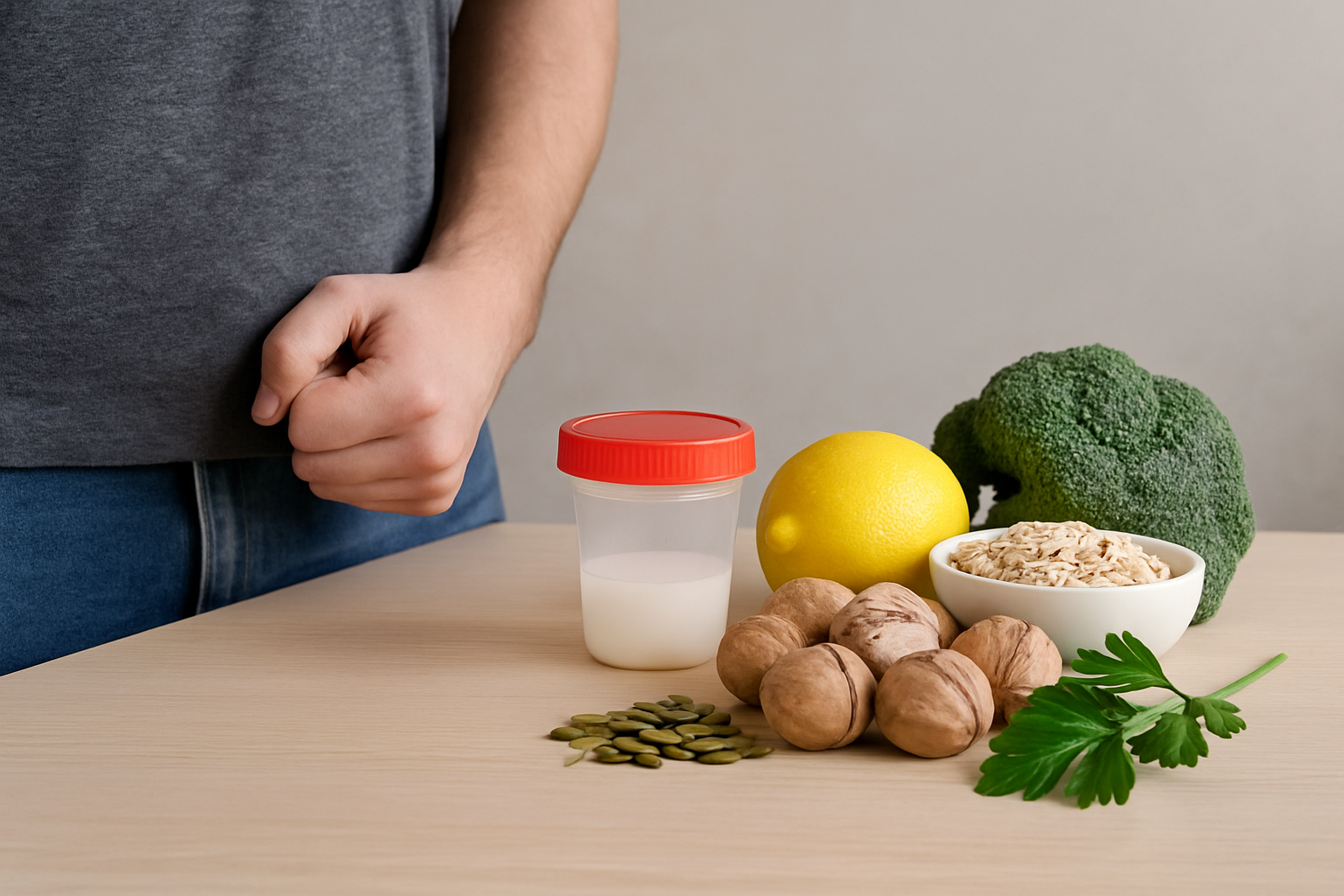
Understanding Semen Quality and Count
The quality and quantity of semen are critical factors in male fertility, with direct implications for successful conception. Many individuals and couples are unaware of the natural methods to improve these parameters, often seeking help only when issues arise. Thus, gaining insights into what constitutes healthy semen quality and count is essential.
Semen quality typically refers to the motility, vitality, and morphology of sperm, while semen count indicates the concentration of sperm in the semen. Recent research highlights that lifestyle, diet, and environmental factors play pivotal roles in these aspects of male reproductive health.
What Impacts Semen Quality and Count?
Several factors can influence semen quality and count. Understanding these can help identify areas for improvement:
- Diet and Nutrition: A diet rich in antioxidants, vitamins, and minerals is essential. Certain nutrients like zinc and omega-3 fatty acids have been shown to improve sperm health.
- Lifestyle Choices: Smoking, excessive alcohol consumption, and drug use can negatively affect sperm production and quality.
- Stress and Mental Health: High stress levels can lead to hormonal imbalances, affecting semen production and quality.
- Environmental Exposure: Exposure to toxins, radiation, and pollutants can harm sperm vitality.
Dietary Adjustments to Enhance Semen Quality and Count
One of the most effective ways to naturally boost semen quality and count is through diet. Here are some nutrients essential for reproductive health:
Zinc-Rich Foods
Zinc is vital for testosterone production and semen quality. Zinc deficiency can lead to reduced sperm count and motility. Foods rich in zinc, such as oysters, beef, pumpkin seeds, and lentils, should be included in the diet.
Incorporating Omega-3 Fatty Acids
Omega-3 fatty acids, found in fish like salmon, mackerel, and sardines, as well as in flaxseeds and walnuts, have been shown to improve sperm motility and morphology.
Antioxidant-Rich Diet
Antioxidants like Vitamin C, Vitamin E, and selenium combat oxidative stress and enhance semen quality. Fruits such as oranges, strawberries, and nuts are excellent sources of antioxidants.
Lifestyle Modifications for Better Semen Health
In addition to dietary changes, certain lifestyle modifications can greatly influence semen quality and count:
Regular Physical Activity
Engaging in regular exercise helps maintain a healthy weight and improves circulation, both of which are beneficial for testosterone levels and semen production. However, extreme exercise may have adverse effects, so moderation is key.
Stress Management Techniques
Chronic stress can severely impact hormonal balance. Techniques such as yoga, meditation, and deep breathing exercises can help reduce stress and improve semen quality.
Avoiding Toxins and Hazardous Exposure
Limiting exposure to environmental toxins, such as pesticides and heavy metals, is crucial. Wearing protective gear and ensuring proper ventilation can help minimize contact with harmful substances.
Scientific Insights and Current Research
Recent studies in 2026 emphasize the impact of lifestyle on semen quality. A study published in the Fertility and Sterility Journal highlights the correlation between dietary patterns and improved semen parameters. Similarly, research from the Andrology Journal indicates that omega-3 supplementation can enhance sperm motility.
Another recent study reports that men who maintain low stress levels through mindfulness experience better semen quality. These findings underscore the interplay of diet, lifestyle, and reproductive health.
Conclusion
Improving semen quality and count naturally centers around a holistic approach that includes diet, lifestyle, and environmental adjustments. While individual results may vary, adopting these strategies promotes overall male reproductive health and enhances fertility prospects. For any persistent issues, consulting with a healthcare provider is recommended to explore further options.
References
https://www.medicalnewstoday.com/articles/320010
https://www.verywellhealth.com/how-to-increase-sperm-count-8729768
https://www.conceivio.com/resources/how-to-improve-sperm-health-practical-steps