Navigating Car Loans with Bad Credit: Practical Steps for Auto Financing Success
Securing a car loan with a bad credit score can seem daunting, but there are strategic steps you can take that might increase your chances. Explore options such as improving your credit profile gradually, understanding lender requirements, and considering special financing offers.
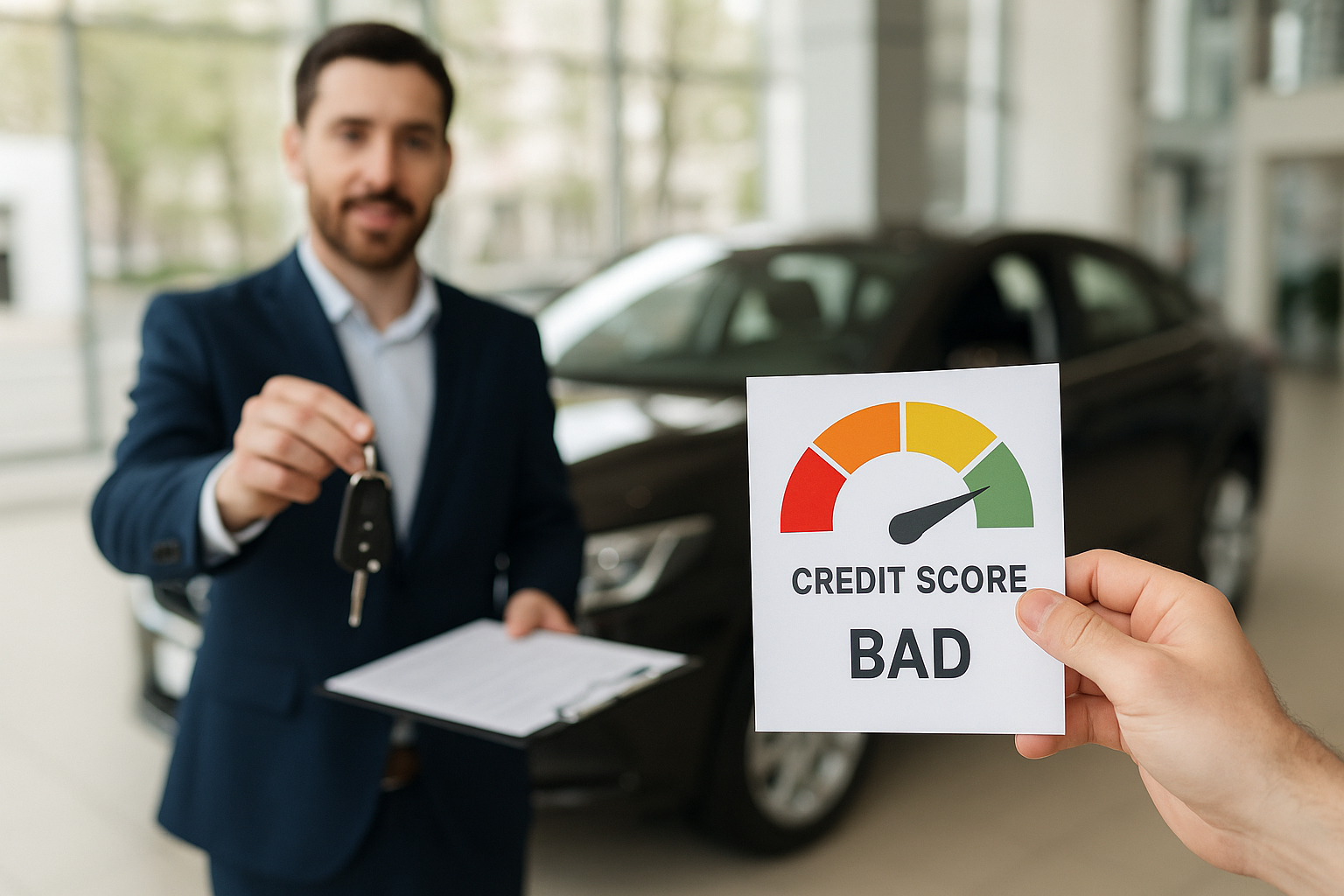
Understanding Car Loans with Bad Credit
Securing a car loan with a bad credit score might seem daunting, but it's not impossible. Understanding how car loans work and the impact of a low credit score is the first step towards successful financing. Bad credit typically means a score below 579 according to the FICO scoring model. Lenders might view you as a higher risk, but several strategies can help you secure a car loan even when your credit score is less than ideal.
Why a Credit Score Matters
Your credit score is a numerical representation of your creditworthiness. Lenders use this score to determine how likely you are to repay borrowed money. A higher score indicates a lower risk, while a lower score suggests a higher risk. As of 2026, approximately 16% of Americans have credit scores below 580, highlighting the relevance of addressing this issue for many.
Recent studies show a correlation between credit scores and loan interest rates. On average, borrowers with scores under 580 face interest rates of around 14.5% for a new car and 20% for a used car, compared to around 6% and 10%, respectively, for individuals with average credit scores between 620 to 659.
Common Questions About Securing a Car Loan with Bad Credit
- What are bad credit car loans?
- How can I improve my chances of approval?
- Are there specific lenders that specialize in bad credit car loans?
- What are the potential pitfalls and how can they be avoided?
Strategies to Secure a Car Loan with Bad Credit
Improve Your Credit Score Before Applying
Before applying for a car loan, take steps to improve your credit score, even marginally. Start by checking your credit report for errors, which are common and can negatively impact your score. You can dispute these inaccuracies with the credit bureau. Additionally, focusing on paying down existing debts and making consistent, on-time payments will positively impact your credit score over time.
Consider a Loan Co-Signer
If you're struggling with a bad credit score, consider having a co-signer with a stronger credit history. A co-signer agrees to take responsibility for the loan if you default, reducing the lender’s risk. This can often result in more favorable terms, such as lower interest rates.
- Pros: Access to better loan terms, potential credit improvement.
- Cons: The co-signer is equally responsible for the loan, which might affect their credit.
Shop Around for Lenders
Each lender has different criteria for assessing loan applications. Some specialize in working with individuals with bad credit. As of 2026, some online platforms offer comparisons for rates and terms from multiple lenders, simplifying this process. Websites such as LendingTree or Bankrate are reliable sources to start your search.
Always research and avoid predatory lenders who might offer loans with high-interest rates and hidden fees. It's crucial to read through the loan terms thoroughly and understand the total cost of the loan over its term.
Make a Larger Down Payment
A significant down payment can help offset high-interest rates. It reduces the total amount you need to borrow and reassures lenders of your commitment. Aiming for at least 20% of the car's cost is generally recommended, although any amount helps.
Explore Buy Here, Pay Here Dealerships
Buy Here, Pay Here (BHPH) dealerships offer an alternative for those with poor credit. These dealers finance the cars themselves without relying on third-party lenders. While they can provide immediate solutions, BHPH dealerships may come with higher interest rates and stricter payment terms.
It's essential to enter such agreements with a clear understanding of the terms and ensuring affordability.
Final Thoughts: Staying Financially Healthy
Securing a car loan with a bad credit score requires patience, research, and strategic action. While it might imply higher costs initially, responsibly managing the loan by making timely payments can help improve your credit score. Over time, this opens doors to better financial opportunities, such as refinancing the car loan or securing lower rates on new financial products.
Remember, the goal is not only to secure a loan but to do so in a manner that supports long-term financial wellness. Taking these steps wisely can set you on the path to improved financial health and better loan options in the future.