Navigating Emergency Rental Assistance: A Step-by-Step Guide for US Residents
Struggling with rent? Learn how to apply for emergency rental assistance in the US and discover available options to help you during tough times. This informative guide provides insight into federal and local programs that might ease financial burdens by covering past-due rental payments.

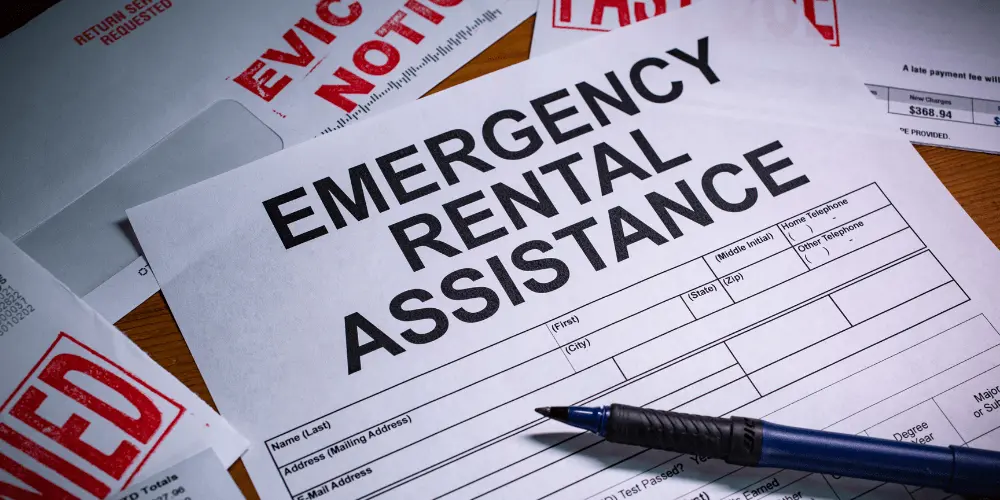
The economic landscape over the past few years has been tumultuous, with many individuals encountering financial hurdles that have made meeting basic needs, such as paying rent, increasingly difficult. In response, various aid programs have been instituted to provide relief. One such program is the Emergency Rental Assistance (ERA) program in the United States. This initiative is designed to assist renters who are unable to make their monthly payments due to financial hardships. Navigating the application process, however, can be daunting. Here's a comprehensive guide on how to apply for emergency rental assistance in the U.S.
Understanding Emergency Rental Assistance
The Emergency Rental Assistance program is funded by the federal government and administered by state, local, or tribal programs. The objective is to prevent evictions and homelessness which can result due to unforeseen financial hardships, such as job loss, medical emergencies, or decreased working hours.
The program typically covers expenses such as:
- Rent
- Rental arrears
- Utilities and home energy costs
- Utilities and home energy arrears
- Other housing expenses
Eligibility Criteria
Before applying, it's crucial to determine whether you meet the program's eligibility requirements, which can vary by location. However, some general criteria include:
- Income Limits: Your household income must not exceed 80% of the area median income (AMI). Priority is often given to households with income below 50% of the AMI.
- Financial Hardship: You must prove a financial hardship due to COVID-19, such as reduced income or significant expenses.
- Housing Instability Risk: You must demonstrate a risk of experiencing homelessness or housing instability.
For more specific requirements in your area, checking with local housing authorities is recommended [U.S. Department of the Treasury].
Step-by-Step Application Process
1. Gather Necessary Documentation
To apply, you'll need to gather relevant documents that certify your eligibility. These typically include:
- Proof of identification (e.g., driver's license, passport)
- Income verification (e.g., pay stubs, tax returns)
- A copy of your lease agreement
- Proof of financial hardship (e.g., unemployment benefits letter, medical bills)
- Statements for overdue rent or utilities
2. Locate Your Local ERA Program
Visit the Consumer Financial Protection Bureau's website to find a rental assistance program available in your area. Depending on where you live, ERA programs can be managed by different local entities, such as housing authorities or community organizations.
3. Complete the Application
Applications may be available online, in person, or via mail. Make sure to follow the instructions carefully and submit all required documentation to avoid delays. Incomplete applications are one of the most common reasons for processing delays or rejections.
4. Follow Up and Communicate
After submitting your application, stay in contact with the organization administering the aid. They may require further documentation or clarification. Follow up periodically to check the status of your application.
Tips for a Successful Application
Here are some pointers to increase your likelihood of securing aid:
- Be Prompt: Funds are limited and distributed on a first-come, first-served basis in many areas.
- Double-Check Your Application: Ensure all information is accurate and all documentation is provided.
- Seek Assistance: Community organizations often offer application assistance for those who struggle with the process.
Potential Challenges
While the ERA program serves as a critical lifeline, applicants might face challenges such as:
- Language barriers, which can often be mitigated by reaching out to local nonprofits that offer translation services.
- Complex documentation requirements, although many community organizations and housing authorities offer guidance and support.
Conclusion
Emergency Rental Assistance provides crucial support to families in need, helping them avoid eviction and secure stable housing. While the process can seem overwhelming, understanding the program prerequisites, eligibility criteria, and application steps can streamline your effort and increase your chances of receiving aid. For further information, visiting official resources like the U.S. Department of the Treasury’s website or consulting with local housing authorities is recommended.