Navigating Full Scholarships for Japanese Universities: Your Realistic Guide
Exploring which university gives full scholarships in Japan? Navigating international study requires careful planning, and finding out which university gives full scholarships in Japan can seem overwhelming. This guide sheds light on various scholarship options and eligibility criteria.
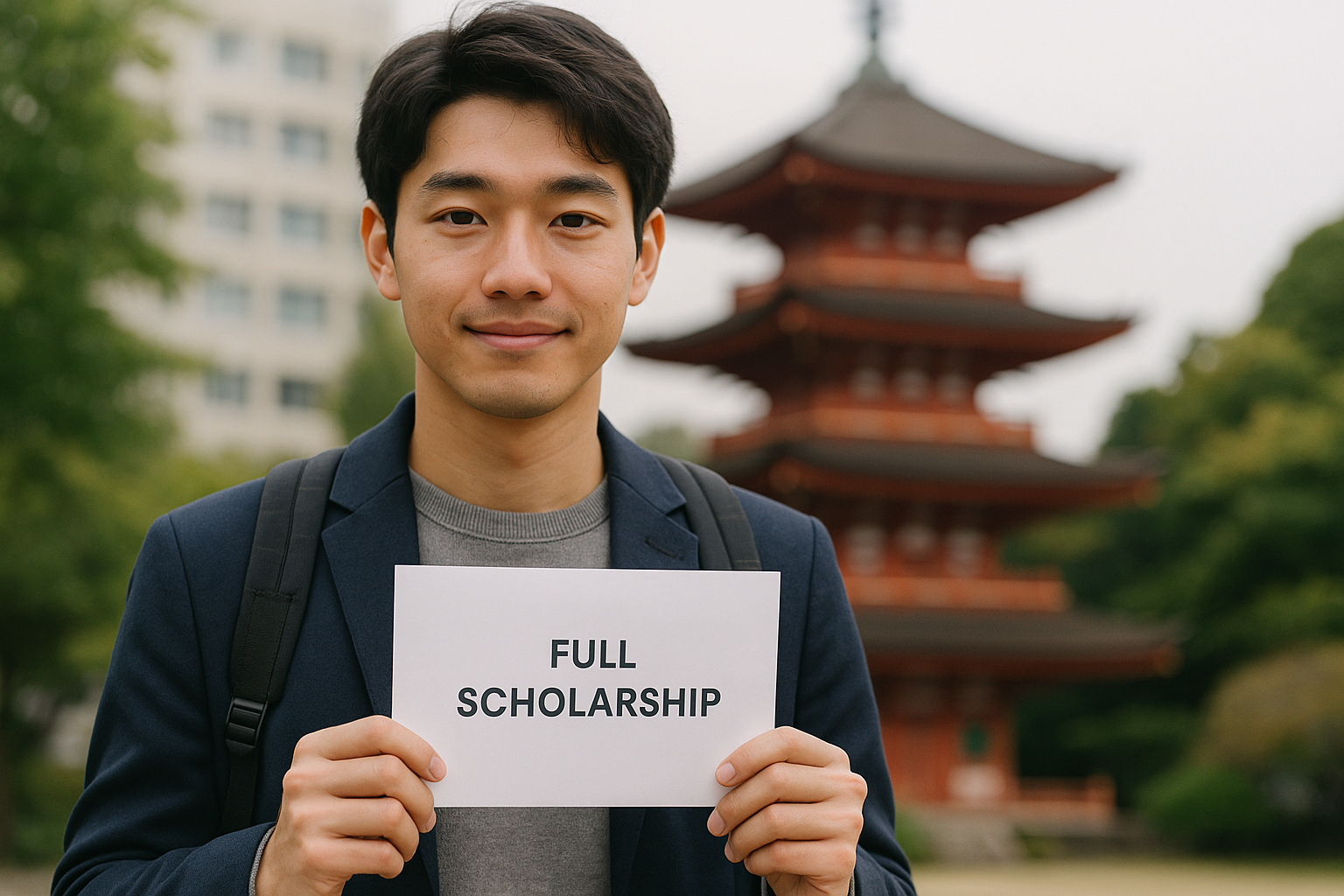
Navigating the Labyrinth: Which Universities Offer Full Scholarships in Japan?
Finding a university that offers a "full scholarship" in Japan is not a simple Google search; it's a complex process that requires understanding the various types of funding, the academic requirements, and the specific pathways into Japanese higher education. While the promise of a fully funded degree is immensely appealing, the reality is that there isn't one single "magic button." Instead, full scholarships typically emerge from a confluence of institutional scholarships, government grants, and external funding sources. To navigate this landscape effectively, prospective students must adopt a strategic, multi-pronged approach.
Understanding the Spectrum of Financial Aid: Full vs. Partial Coverage
When people search for "full scholarships," they are generally looking for coverage that includes tuition fees, accommodation, airfare, and a monthly stipend. It is crucial to differentiate between these categories:
- University-Specific Scholarships (Tuition Waivers): These are often the easiest to secure but usually only cover tuition and fees, leaving the student responsible for living expenses.
- Government/National Scholarships (Full Coverage): These are the most sought-after, as they aim to provide comprehensive support. The most famous example is the Japanese Government Scholarship (MEXT).
- External/Private Scholarships (Merit-Based): These are offered by foundations, corporations, or specialized private institutions and can be incredibly generous, often matching or exceeding government aid.
The key takeaway is that true "full scholarship" status usually requires exceptional academic merit, deep research into the field, and often, the ability to demonstrate cultural competency or career potential that aligns with Japan's national interests.
The Major Pathways to Funding: Government and Institutional Grants
The pursuit of full funding usually begins with the largest, most stable sources of aid. These pathways are designed for international students and are highly competitive.
1. The Japanese Government Scholarship (MEXT)
The Ministry of Education, Culture, Sports, Science and Technology (MEXT) is the most recognized pathway to fully funded studies in Japan. MEXT scholarship winners typically receive coverage for tuition, accommodation, travel expenses, and a living stipend. This scholarship is highly prestigious and is designed to attract top global talent to Japan.
Key Steps and Tips for MEXT:
- Academic Excellence: MEXT requires applicants to demonstrate exceptional grades, relevant extracurricular involvement, and clear academic goals.
- Application Timing: The application process is often indirect. Many students apply through their target university's academic advisor or a Japanese embassy/consulate, rather than applying directly to MEXT itself.
- Networking: Connecting with professors at specific universities and tailoring your application to their research focus significantly increases your chances.
(Source Placeholder: Reference a link to the official MEXT scholarship page or a reputable educational consultancy guide.)
2. University-Specific Global Fellowships
Many prestigious private universities (such as Keio University, Sophia University, or Waseda University) operate their own scholarship funds specifically for international students. These are often more aligned with the university's department strengths and sometimes require the student to commit to specific research projects within the institution.
Unlike MEXT, which is governmental, these institutional scholarships are often easier to apply for if the student is already accepted into the university's program. They serve as excellent complementary funding.
Identifying the Right Academic Fit: Beyond the University Name
Instead of focusing solely on the name of the university, a more effective strategy is to focus on the department or the professor. A professor who is actively running a research project with international funding partners (e.g., EU grants, German DAAD, or private industry sponsors) is often the best gateway to funding, regardless of the university's general ranking.
How to Approach Research-Based Funding
If your goal is deep, specialized research (Master's or PhD level), your funding source is more likely to be derived from the department's research budget rather than a general scholarship application. This involves:
- Identifying Target Research: Pinpoint a specific research area (e.g., advanced robotics, sustainable energy, cultural linguistics).
- Mapping Potential Supervisors: Use databases like university faculty directories, Google Scholar, and ResearchGate to find professors working in that exact area.
- The Cold Email: Send a highly professional, detailed, and concise email introducing yourself, explaining your background, and—most importantly—demonstrating how your past work directly intersects with their current research. Attach a tailored research proposal.
This direct, research-focused approach bypasses generalized application pools and puts you directly in the line of sight of potential funding sources.
The Role of National and External Scholarships
It is vital not to limit your search to scholarships issued by Japanese entities. International organizations, and even your home country's government or private foundations, often provide funding that can be applied to Japanese universities.
Taiwan and Korea Comparison (Case Study in Cross-Cultural Funding)
For example, students from certain regions benefit from specialized Memorandums of Understanding (MOUs) between their home country's educational ministry and the Japanese government. These bilateral agreements can create funding pathways that are unique and highly targeted.
Furthermore, many international foundations (such as the Fulbright Program or Chevening Awards) have global reach and can fund study in Japan, provided the student maintains a strong academic portfolio and a clear plan for post-graduation employment in their home country.
Practical Tip: Always check if your home country's student visa or educational authority has a pre-established relationship or agreement with Japan, as this could unlock overlooked funding opportunities.
Navigating the Application Process: A Checklist for Success
The sheer volume of required documentation can be overwhelming. Preparing systematically is the key to success when applying for highly competitive scholarships.
Essential Components of a Scholarship Application Package:
- Academic Transcripts: Clean, officially translated, and notarized copies from all educational levels.
- Statement of Purpose (SOP): This is not just a biography; it must be a compelling narrative that answers: "Why Japan? Why this department? Why me?" It must explicitly link your past experience to the university's future research needs.
- Letters of Recommendation (LORs): Aim for two to three letters from professors or professional supervisors who know your work well and can speak specifically to your potential for advanced study.
- Proof of Proficiency: IELTS, TOEFL, or Japanese proficiency certificates (JLPT). Academic proficiency must be demonstrated to ensure success in the curriculum.
- Research Proposal (for graduate students): This must be highly detailed, showing you have done preliminary reading on the topic and know the gaps in current research.
Financial Considerations Beyond the Scholarship
Even if you secure a scholarship that covers tuition and stipends, understanding the remaining financial commitments is critical for planning.
Visa and Initial Costs:
Applicants should budget for initial costs that scholarships sometimes overlook, including:
- Pre-departure travel and insurance.
- Security deposits (required by many Japanese universities for housing or enrollment).
- Initial living fund for the first 1-3 months, while waiting for the stipend disbursement.
These initial costs can be substantial (tens of thousands of USD) and must be addressed with personal savings or separate funding. A fully funded scholarship rarely covers the first month's "settlement" costs.
Conclusion: Building a Strategy, Not Just Finding Money
Securing a full scholarship to a top Japanese university is less about identifying the single "best" university and more about creating a robust, tailored strategy that matches your unique academic strengths to the specific research needs and funding opportunities of a handful of ideal programs. Start early, immerse yourself in the academic culture of your intended field, and remember that your research potential is often the most valuable currency you possess.
(Source Placeholder: Include a link to a Japanese Ministry of Academic Affairs or a reliable international academic advising service.)