Navigating Home Accessibility: What Medicare and the VA Actually Cover
Curious about whether Medicare or the VA covers home accessibility modifications? While both programs offer some benefits for certain upgrades, eligibility and coverage can vary based on individual circumstances.
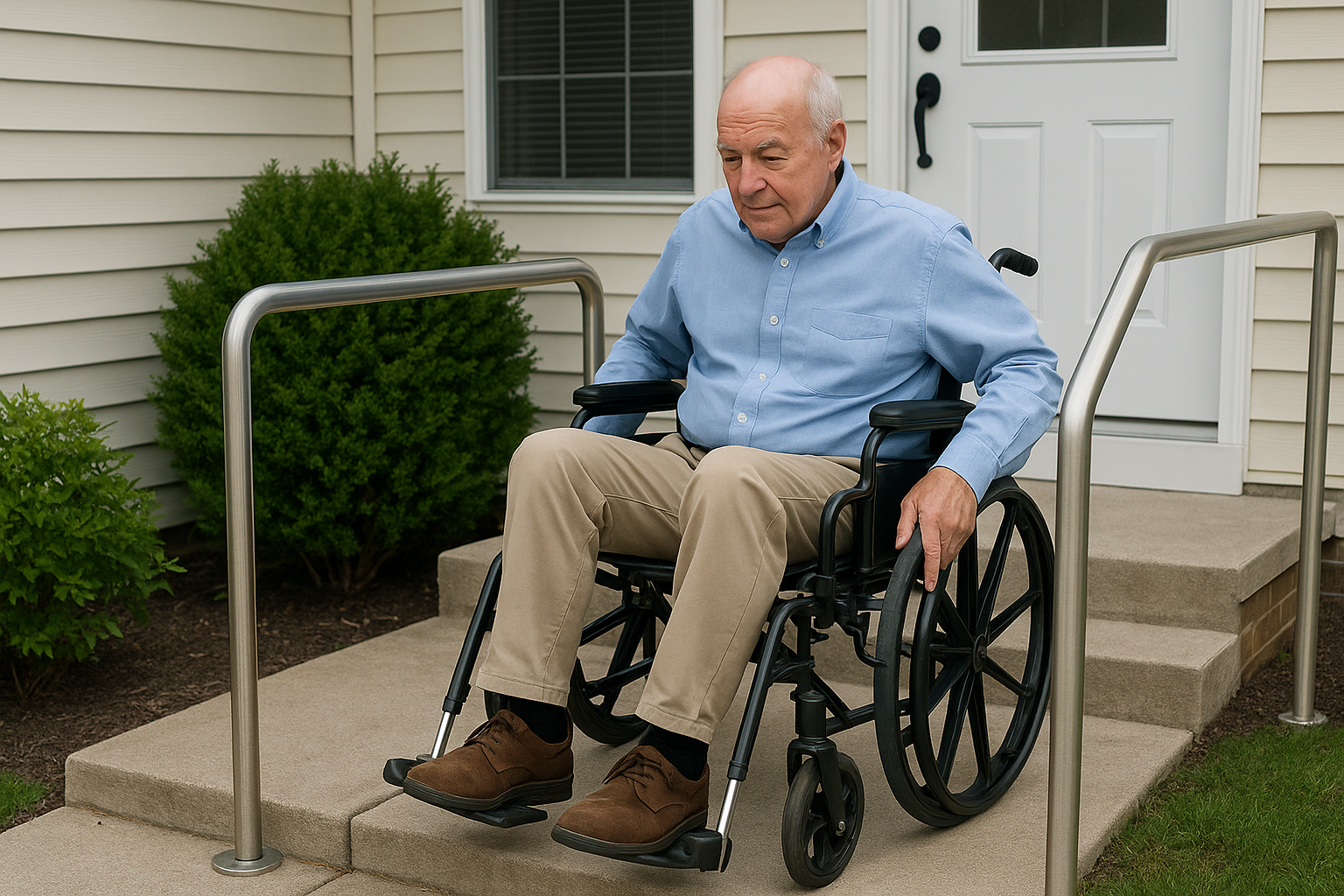
Understanding Medicare and VA Benefits for Home Modifications
When it comes to home accessibility modifications, many individuals wonder if programs like Medicare or the Department of Veterans Affairs (VA) offer any financial assistance. Understanding the nuances of these government programs can help beneficiaries navigate available options for making essential home adjustments.
What are Home Accessibility Modifications?
Home accessibility modifications are changes made to a residence to make it more accessible and safer for individuals with disabilities or those experiencing mobility limitations. These adjustments might include installing ramps, widening doorways, adding grab bars in bathrooms, or fitting stairlifts.
- Ramps: Enable easier access to entrances and exits.
- Stairlifts: Aid individuals in navigating between floors safely.
- Grab Bars: Provide additional support and prevent falls within bathrooms.
- Wider Doorways: Accommodate wheelchairs and other mobility devices.
Does Medicare Cover Home Modifications?
Medicare is a federal program primarily providing health coverage for individuals 65 and older or those with specific disabilities. However, it has limitations when it comes to covering home accessibility modifications.
Original Medicare (Part A and Part B)
Original Medicare generally does not cover home modifications. It primarily focuses on medically necessary services and durable medical equipment (DME) like wheelchairs or walkers rather than making physical changes to homes.
Medicare Advantage (Part C)
Some Medicare Advantage plans might offer additional benefits beyond those provided by Original Medicare, potentially covering certain home modifications. This varies greatly by plan, so beneficiaries should consult their specific insurance provider to see what is available under their coverage.
According to Medicare.gov, beneficiaries interested in such benefits must check their Medicare Advantage plan details or speak to their insurer for comprehensive information.
VA Benefits for Home Accessibility Modifications
The VA often offers more robust options for veterans needing assistance with home accessibility modifications through specific grants and programs.
Specially Adapted Housing (SAH) Grant
The SAH grant helps veterans with certain service-connected disabilities create a barrier-free living environment through home modifications. For example, it can finance projects like widening doorways for wheelchair access or constructing ramps.
Special Housing Adaptation (SHA) Grant
The SHA grant is designed for veterans with specific service-connected disabilities, assisting in purchasing, constructing, or modifying a home to meet their accessibility needs. These grants can cover a wide range of modifications, supporting a safer, more convenient living space.
More detailed information can be found at va.gov, including updated eligibility requirements and application procedures.
Home Improvements and Structural Alterations (HISA) Grant
This grant provides medically necessary improvements and structural alterations to a property. The HISA grant can assist both veterans with service-connected conditions and those with non-service-connected conditions up to specific financial limits set by the VA.
Assessing Other Financial Support and Alternatives
State Programs and Non-Profit Organizations
State programs and non-profit organizations can be invaluable resources for individuals seeking financial assistance with home modifications. Many states offer complementary programs to federal assistance, matching funds or providing additional support.
- State Medicaid Programs: In some cases, Medicaid programs offer waiver services that extend to home modifications for eligible participants.
- Non-Profit Grants: Organizations like Rebuilding Together and Habitat for Humanity often provide assistance for home renovation projects, including accessibility improvements.
Tax Deductions for Home Modifications
Some home modifications may qualify as medical expense deductions on federal tax returns if they are made for medical reasons. According to IRS guidelines, these modifications must be primarily for medical care and not increase the property's value.
For specific questions about tax implications, individuals should consult a tax professional or refer directly to the Internal Revenue Service for the most current guidelines.
Conclusion
Understanding your options for funding home accessibility modifications is crucial for ensuring a safe, accessible living environment. While Medicare provides limited assistance, the VA offers several grant programs specifically for veterans, and additional resources may be available through state and non-profit organizations. Thoroughly exploring these avenues can ensure that you or your loved ones receive the necessary support to live comfortably and safely at home.