Navigating Insurance to Secure a Breast Pump: A Step-by-Step Guide
Curious about getting a breast pump through insurance? Discover how many parents successfully navigate the process. While specific outcomes can vary, understanding the common steps and requirements can increase your chances.
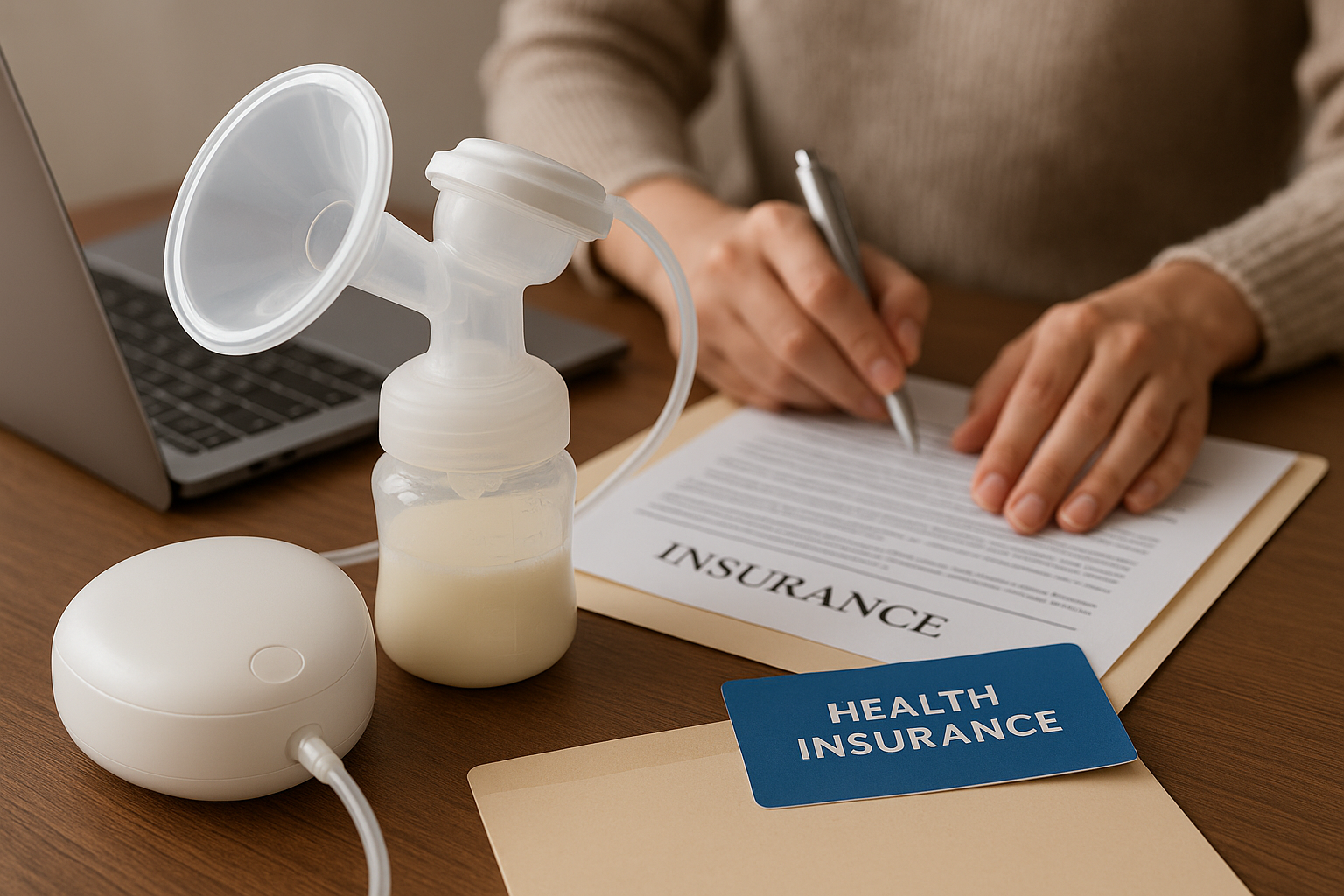
Understanding Breast Pumps and Insurance Coverage
Navigating the world of insurance can be daunting, especially when it comes to securing essential healthcare equipment like breast pumps. Many expectant and new mothers are unaware that these tools can often be covered by insurance, potentially saving them significant costs while ensuring they have the support needed for breastfeeding.
How Can You Get a Breast Pump Through Insurance?
To obtain a breast pump through your insurance, you'll typically need to follow a series of steps, which may vary depending on your insurance provider. Here’s a general guide to help you get started:
1. Check Your Insurance Plan Details
First and foremost, it is crucial to review your insurance policy. This can usually be found in your member handbook or on the provider's website. Look for terms like "durable medical equipment" (DME) and any specific coverages related to maternity or breastfeeding.
- Contact your insurance provider’s customer service if information is unclear.
- Inquire specifically about breast pump coverage and any restrictions like types or brands covered.
2. Obtain a Prescription
Many insurance companies require a prescription from your healthcare provider to cover the cost of a breast pump. This prescription serves as a formal request for the necessary equipment, indicating medical necessity.
- Schedule an appointment with your obstetrician, midwife, or pediatrician to discuss your needs.
- Make sure the prescription includes your diagnosis or reason for the pump if required.
3. Choose the Right Breast Pump
Depending on your insurance plan, you may be eligible for different types of breast pumps, such as manual or electric. Some plans offer a selection of models from specific brands, while others provide a flat reimbursement. Consider these factors:
- Efficiency: Electric pumps are generally more efficient for regular use.
- Convenience: Manual pumps are portable and simple to use on the go.
4. Purchase or Rent Your Breast Pump
Once you have determined your eligibility and chosen your pump, you can proceed with acquisition. There are generally two options:
- Purchase: Many insurance plans have designated vendors. Purchasing directly from an approved vendor ensures that your expenses are covered.
- Rental: Some insurance plans cover rental pumps for a set period, which can be beneficial if you only need the pump for a short duration.
Common Questions about Breast Pump Coverage
Does Every Insurance Plan Cover Breast Pumps?
Not all insurance plans cover breast pumps, but a significant number do, thanks to policies like the Affordable Care Act in the U.S., which requires many health plans to cover breastfeeding support and supplies. It's essential to verify with your provider what specific coverages are available under your particular plan.
Are There Any Costs Involved?
Even with coverage, you may encounter out-of-pocket expenses. These can include cost-sharing arrangements, where insurance covers a portion, and you pay the remaining balance. Always ask your insurance company to clarify any potential charges before your purchase.
When Can You Receive a Breast Pump?
Coverage policies vary on when you can receive a breast pump. Some plans allow recipients to get a pump before the baby’s birth, while others may necessitate waiting until after delivery. Confirm this timing with your provider to plan accordingly.
Real-World Experiences
Many mothers have successfully obtained breast pumps through insurance with varying levels of ease. Some have reported seamless experiences with quick approvals and broad choices, while others have faced delays or extensive paperwork. It’s often useful to join online forums or support groups where members share tips and experiences:
- KellyMom - A comprehensive resource for breastfeeding and maternal support.
- The Bump - Community forums where expectant mothers share healthcare and insurance experiences.
Conclusion
Securing a breast pump through insurance can significantly alleviate the financial burden on new parents, ensuring they have the necessary resources to support breastfeeding. By understanding your plan's specifics, obtaining the correct prescriptions, and choosing the appropriate product, you can successfully navigate this process. As healthcare policies continue to evolve, staying informed will ensure you maximize your insurance benefits.