Navigating Loan Options for SSI Recipients with Bad Credit
Exploring loan options for SSI recipients with bad credit? This insightful guide examines whether SSI recipients can qualify for loans despite having bad credit. Discover potential avenues for securing financial assistance and understand the key factors lenders consider.
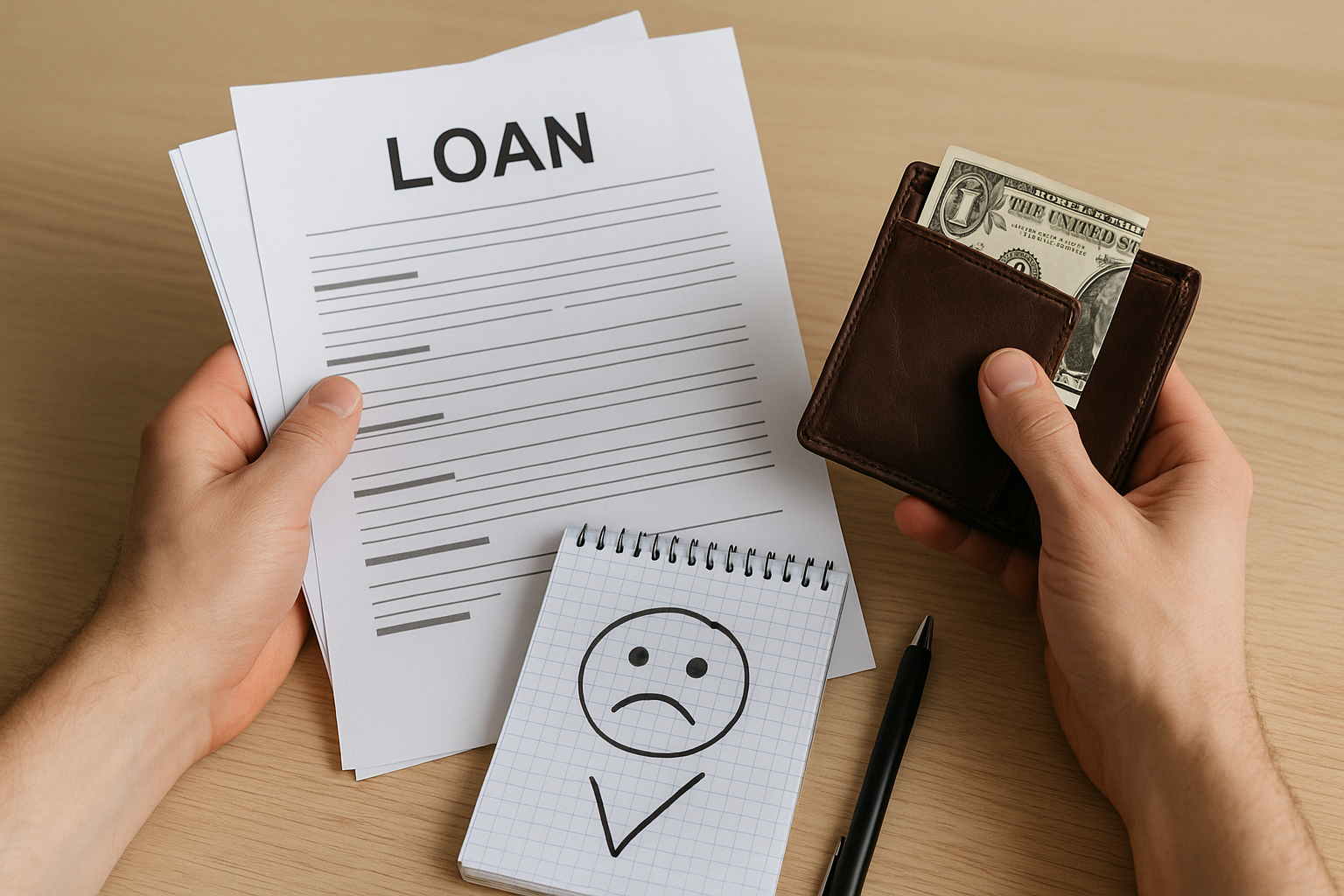
Understanding SSI and Financial Challenges
Supplemental Security Income (SSI) is a government program in the United States designed to help individuals with limited income and resources. These can include elderly, blind, and disabled persons who have little or no means of support. However, receiving SSI can sometimes pose unique financial challenges, particularly when it comes to accessing credit and loans.
Individuals on SSI often have limited financial portfolios and, in many cases, a lack of substantial credit history, which can present difficulties in securing loans. Compounding these challenges is the fact that many SSI recipients also face bad credit ratings due to their financial situation.
Can SSI Recipients Qualify for Loans?
The quick answer is yes, it is possible for SSI recipients to qualify for loans, even with bad credit. However, it is crucial to understand the types of loans available and the criteria that lenders typically use to approve loan applications.
- Personal Loans: Many financial institutions offer personal loans specifically tailored for those with poor credit or fixed incomes. These loans often come with higher interest rates and fees due to the increased risk perceived by lenders.
- Credit Union Loans: Credit unions often provide more lenient loan terms, particularly to their members, as they operate on a not-for-profit basis, which might be a valuable option for an SSI recipient.
- Secured Loans: Using collateral to secure a loan can often help increase the chance of approval, though this comes with the risk of losing the asset if repayments are not maintained.
Factors Lenders Consider
Lenders typically assess a variety of factors when evaluating loan applications. It's essential for SSI recipients to be aware of what these are, as understanding them can help improve chances of receiving approval.
- Credit Score: Naturally, a higher credit score generally improves the chances of securing a loan, but for SSI recipients with bad credit, focusing on repayment history or improving the score can be beneficial.
- Debt-to-Income Ratio: Lenders often look for a stable ratio of debt to income. Managing existing debts and aiming for a lower ratio can influence outcomes positively.
- Proof of Income: While SSI is a fixed income, providing clear documentation helps demonstrate financial stability. Lenders may also consider other income sources, if applicable.
Strategies to Improve Loan Approval Chances
SSI recipients can consider several strategies to enhance their probability of getting approved for a loan.
- Enhance Your Credit Report: Regularly checking and correcting errors on your credit report from agencies such as Equifax or TransUnion can proactively improve your profile.
- Opt for Lenders with Lenient Terms: Seek lenders known to cater to low-income or poor-credit borrowers. It's crucial to do thorough research to avoid predatory lending.
- Consider a Co-signer: Involving a co-signer with a stable credit standing may increase the loan approval rate.
Alternatives to Traditional Loans
For SSI recipients with bad credit, traditional loans are not the only option. Consider these alternatives, which might provide temporary relief without the potential pitfalls of high-interest loans.
- Government-Backed Programs: Programs like HUD provide assistance with living expenses that can free up other income for necessary spending.
- Peer-to-Peer Lending: Platforms have emerged that connect borrowers directly with lenders, often offering more favorable terms than conventional sources.
- Financial Counseling Services: Services provided by non-profits can offer advice and possibly assist in debt restructuring, which might impact credit positively over time.
Risks and Considerations
It's imperative to be cognizant of the risks associated with loans, especially for those on SSI with a fixed income. High-interest rates and fees can create a debt spiral, making financial stability more challenging.
Before opting for a loan, carefully review the terms and consider how repayments will fit into existing budgets. Utilizing online calculators can help visualize expenses against monthly income.
For more in-depth information, consider reviewing credible sources such as Consumer Financial Protection Bureau or consulting with financial advisors specializing in low-income assistance. Their updated guidelines frequently provide effective ways to manage finances and improve creditworthiness.
https://www.usa.gov/benefits-loans-grants
https://www.ssa.gov/benefits/disability/
https://www.consumerfinance.gov/consumer-tools/loans/
https://www.nerdwallet.com/article/loans/personal-loans/personal-loans-for-bad-credit
https://www.lendingtree.com/personal/bad-credit-loans/
https://www.experian.com/blogs/ask-experian/personal-loans-for-bad-credit/
https://www.creditkarma.com/personal-loans/i/personal-loans-for-bad-credit
https://www.upstart.com/personal-loans/bad-credit-loans
https://www.oneMainFinancial.com/personal-loans
https://www.opploans.com/personal-loans/bad-credit-loans/
https://www.lendingpoint.com/personal-loans
https://www.moneylion.com/loans/
https://www.badcreditloans.com/
https://www.incharge.org/debt-relief/personal-loans-for-people-on-disability/