Navigating Loans on Disability with Challenging Credit: Your Options
Searching for information on getting a loan while on disability with bad credit? Discover practical tips and insights that can help you navigate this challenging process. From understanding the types of loans you might qualify for to exploring alternative lending options, we've got you covered.
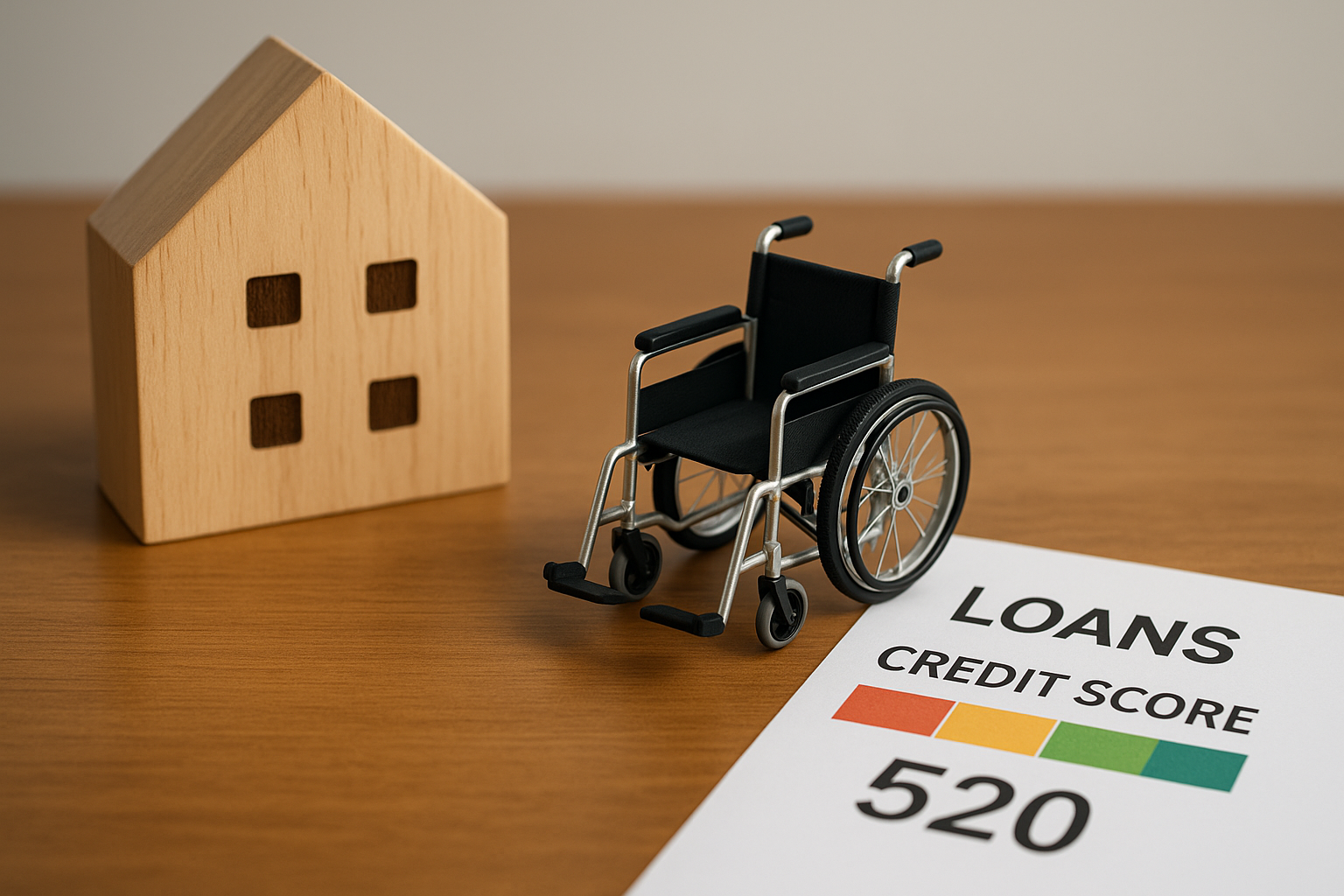
Understanding Loans for Those on Disability with Bad Credit
Securing a loan can often feel challenging, particularly if you're on disability and have a poor credit history. However, understanding the processes, available options, and managing your expectations can help you navigate this complex terrain. Below, we delve into the essential elements you'll want to consider and understand how you can successfully apply for a loan, even with these obstacles.
Can You Get a Loan While on Disability?
The quick answer is yes, you can. Living with disability doesn't preclude you from obtaining a loan. Lenders evaluate income, and disability payments often qualify as a stable income source. The key is proving sufficient income to cover loan repayments. Remember, each lender may approach disability income differently, so it's wise to inquire about their specific requirements. A credible source to consider is the Consumer Financial Protection Bureau, which provides guidance for those with regular income through disability (CFPB guidelines).
Addressing Bad Credit When Applying for a Loan
A low credit score presents the primary hurdle for many loan applicants. Here's a step-by-step approach you can take to mitigate the risks associated with low credit:
- Check Your Credit Report: Before applying, get a recent credit report and review it for errors. The USA.gov provides resources that guide you through obtaining this report.
- Work on Credit Repair: If possible, take steps to improve your credit score before applying. Address any discrepancies and strive to pay down existing debts, even if incrementally.
- Consider Secured Loans: If your credit score precludes your preferred loan types, consider a secured loan that requires collateral, reducing risk for lenders.
Exploring Loan Types Suitable for This Situation
Once you have a clearer understanding of your financial standing, it's important to explore the types of loans that might fit your situation. Here are the most relevant options:
- Personal Installment Loans: These loans offer structured repayments with set terms and rates. Lenders may offer more flexible terms for those with steady disability income.
- Peer-to-Peer Lending: Emerging platforms like LendingClub offer peer-to-peer lending, which can be more lenient with credit scores.
- Credit Union Loans: Often have more favorable terms and may be more understanding of circumstances involving disability income.
- Online Lenders: Companies like Upstart consider factors beyond credit score, such as education and job experience, providing more options.
Managing Loan Repayments and Avoiding Pitfalls
Securing a loan is just one aspect; managing repayments effectively to avoid default is crucial. Here are some strategies:
- Set a Budget: Examine your income and expenses to establish how much you can absolutely afford to repay monthly. Stick rigidly to this budget.
- Automate Payments: Set up automatic payments to avoid late fees, ensuring there's an adequate balance in your account for each due date.
- Communicate with Your Lender: If you anticipate difficulties, contact your lender immediately to discuss potential re-negotiation or payment deferral options.
Additional Resources and Support
For additional support, consider reaching out to organizations that specialize in helping those with disabilities navigate financial matters:
- National Disability Institute: Offers extensive resources focused on financial stability and empowerment for individuals with disabilities.
- Financial Counseling Agencies: Seek out nonprofit agencies approved by the U.S. Department of Justice, providing personalized financial guidance.
Conclusion
While getting a loan on disability with bad credit can appear daunting, it's not impossible. By understanding your financial landscape, exploring available loan types, and implementing sound financial practices, you can find solutions that work for your situation. Patience and diligence go a long way in securing the financial assistance required to meet your needs.
https://www.experian.com/blogs/ask-experian/why-credit-is-important-people-with-disabilities/
https://www.experian.com/blogs/ask-experian/how-to-get-personal-loan-with-low-income/
https://www.nerdwallet.com/personal-loans/learn/hardship-loans/
https://www.lendingtree.com/personal/best-personal-loans-for-bad-credit/
https://www.lendingtree.com/personal/installment-loans-for-bad-credit/
https://www.lendingtree.com/personal/what-to-know-about-no-credit-check-personal-loans/