Navigating the 2026 Driving and Auto Insurance Policy Shifts
In 2026, driving and auto insurance are set to undergo significant changes. As emerging technologies reshape transportation, auto insurance will evolve to address new risks and driving habits. Stay informed about how these changes could affect your premiums and coverage options.
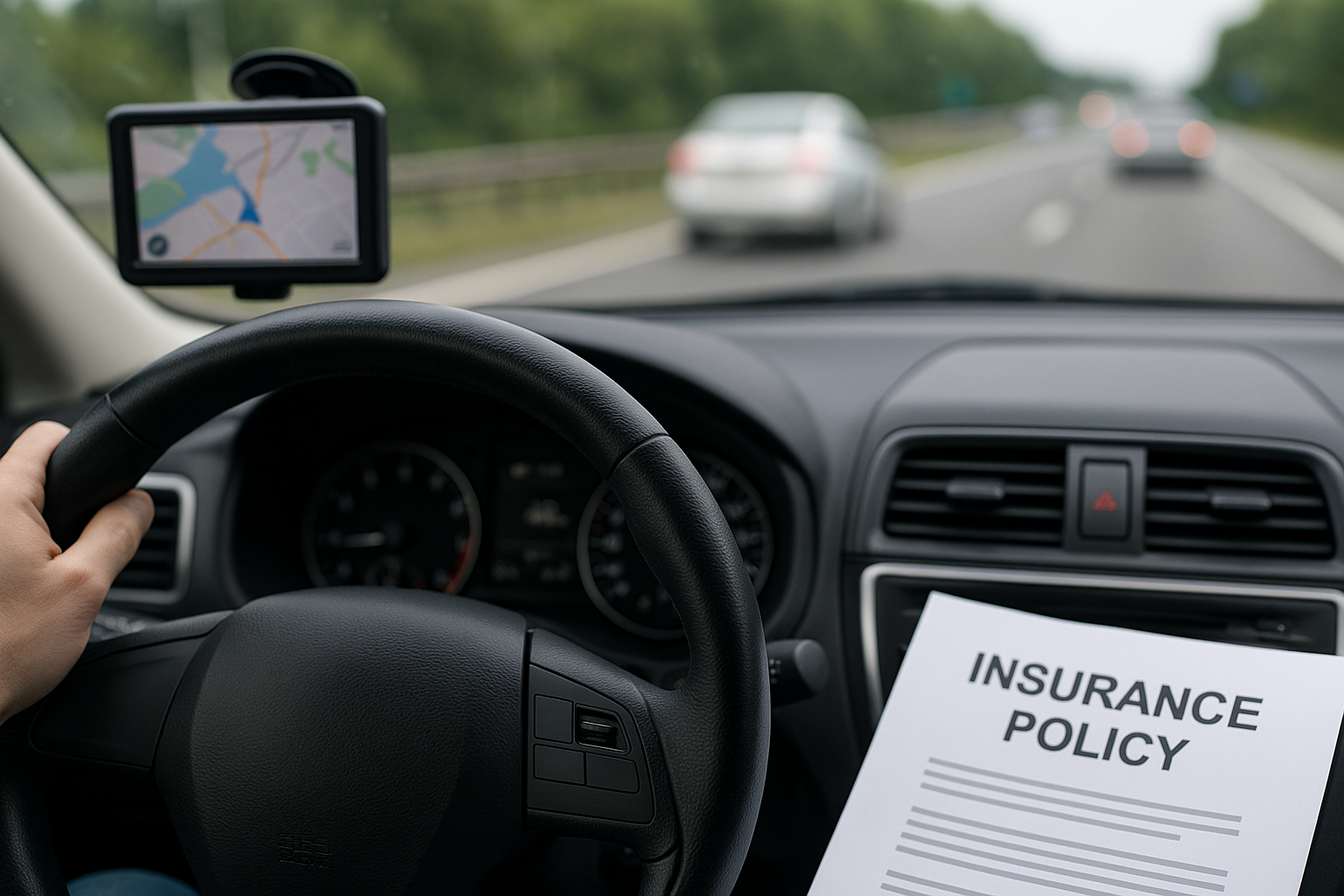
Understanding Driving and Auto Insurance Changes in 2026
The landscape of driving and auto insurance is undergoing significant changes in 2026. These updates impact how we drive, how we insure our vehicles, and ultimately, how we manage the financial aspects of automotive ownership.
What Are the Major Changes in Driving Regulations?
One of the primary changes involves the widening adoption of autonomous vehicles. In 2026, more states are implementing laws to govern the use of self-driving cars on public roads. These regulations focus on safety standards, data privacy, and accountability in accidents involving autonomous technology.
Additionally, stricter emission standards are being enforced to combat climate change. Vehicles will need to adhere to these updated requirements, leading many consumers to consider electric or hybrid models to comply with new regulations.
How Are Auto Insurance Policies Changing?
Auto insurance is also seeing a significant transformation because of technological advancements and regulatory shifts. Here's how:
- Usage-Based Insurance: More insurers are offering pay-as-you-drive or pay-how-you-drive models. These policies leverage telematics—technology that tracks your driving habits, such as speed, acceleration, and braking patterns, to assess risk and determine premiums.
- Coverage for Autonomous Vehicles: As autonomous vehicles become more common, insurance coverage is adapting to address questions of liability. Insurers are developing new products specifically tailored for vehicles that operate with reduced human intervention.
- Increased Premiums for Fossil Fuel Vehicles: With a focus on reducing carbon emissions, some insurance companies are adjusting premiums to encourage the use of electric and hybrid vehicles.
What Factors Are Affecting These Changes?
Several factors are driving these changes in driving and insurance practices:
- Technological Advancements: AI and machine learning technology are transforming vehicle safety features, making them smarter and more reliable. This technological progression necessitates a rethinking of insurance policies.
- Environmental Regulations: Government policies aimed at reducing greenhouse gas emissions are influencing both vehicle manufacturing and the insurance industry.
- Consumer Behavior: There's a growing consumer preference for greener, cost-effective alternatives. This shift impacts vehicle purchase trends and the resultant demand for corresponding insurance products.
What Does This Mean for Drivers?
For drivers, these changes mean adjusting to new vehicle technologies and adapting to evolving insurance requirements. Areas to consider include:
- Vehicle Choice: With the rise in electric and hybrid vehicle offerings, drivers may have to consider these options not only for regulatory compliance but also to benefit from potentially lower insurance premiums.
- Insurance Selection: Drivers should explore usage-based policies that may offer savings if they exhibit safe driving behaviors. Many insurers now offer discounts for vehicles equipped with advanced safety features.
- Understanding Liability: For owners of autonomous vehicles, it’s important to understand how liability works in case of an accident. Checking with insurers about new coverage options is crucial for peace of mind.
Where Can You Find More Information?
If you're looking to delve deeper into these emerging trends, several resources are providing comprehensive insights:
- The Insurance Information Institute offers detailed reports on the current trends in auto insurance.
- The National Highway Traffic Safety Administration (NHTSA) provides updates on driving safety and regulations that impact vehicle standards.
- For consumer trends and choices related to vehicles, the Consumer Reports Car section offers reviews and guides.
Conclusion
As we navigate through 2026, both the driving and auto insurance landscapes continue to rapidly evolve with greater complexity. Staying informed and adjusting to these changes—whether through mindful vehicle selection, exploring new insurance models, or understanding the intricacies of autonomous driving—is key to thriving in this dynamic environment.