Navigating Your Options: Trading in an iPhone with Battery Issues at Apple
Wondering if you can trade in an iPhone with a battery issue at Apple? While Apple’s trade-in program accepts devices in various conditions, a battery issue might affect your phone’s trade-in value.
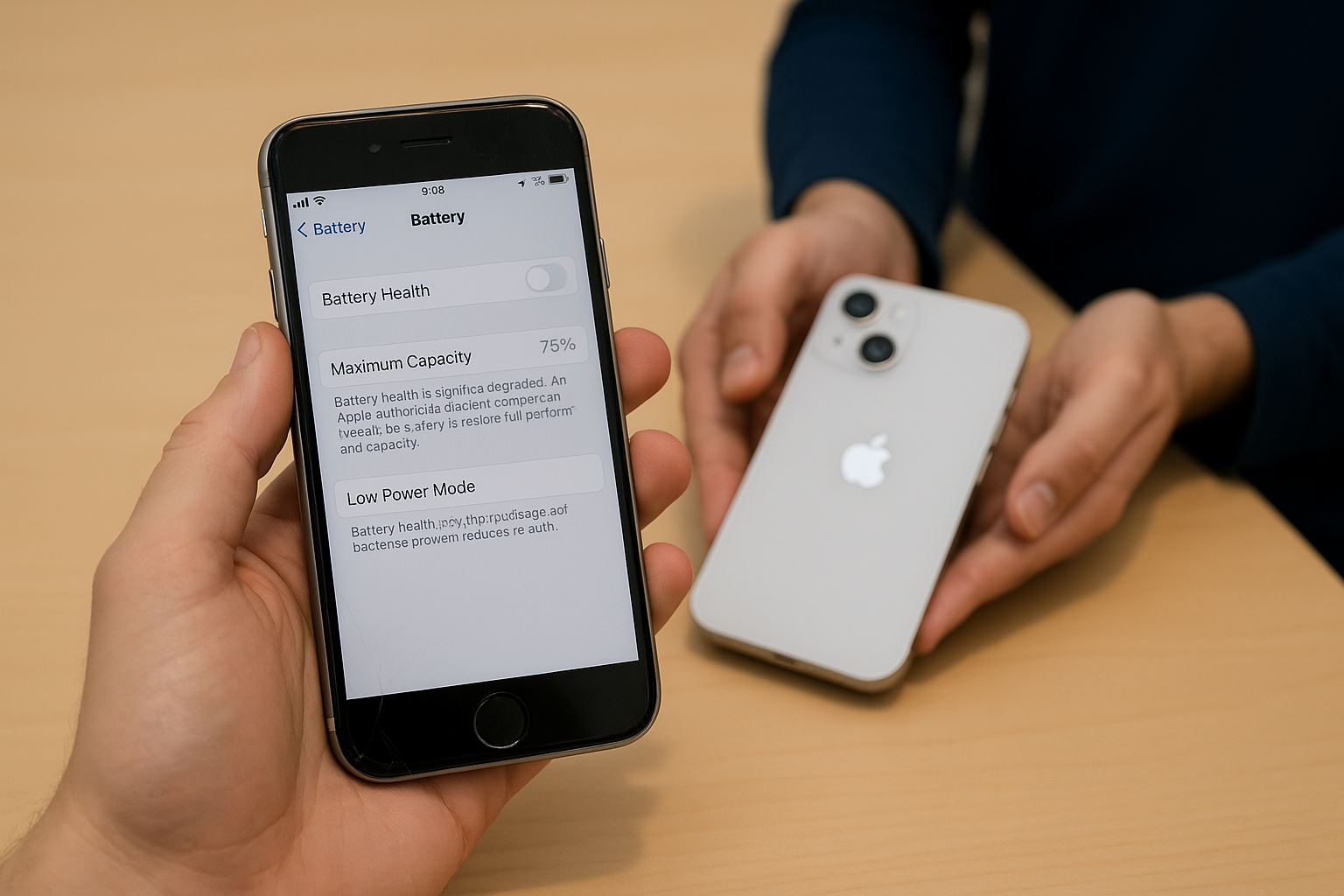
Understanding iPhone Trade-In with a Battery Issue
Trade-in programs by companies like Apple have become an increasingly popular option for consumers looking to upgrade their phones. However, many iPhone users wonder if they can trade in their devices, especially when they have a battery issue. In this article, we'll explore the ins and outs of trading in an iPhone with battery problems, providing you with all the necessary information and tips to maximize your trade-in value.
Can You Trade In an iPhone with a Battery Issue?
Yes, you can trade in an iPhone that has a battery issue, although the trade-in value may be affected. Apple's official trade-in program allows for some wear and tear on phones, including battery issues, but the condition of your device will influence its trade-in value. It's crucial to assess the exact condition of your iPhone before proceeding.
Apple's website states that they accept trade-ins for iPhones in various conditions, but they typically evaluate factors like physical damage, operational issues, and battery health when determining the final value. [Source]
Steps to Trade In an iPhone with Battery Issues
Trading in an iPhone involves specific steps that ensure the process is smooth and your personal data is protected. Here’s a detailed look at the steps involved:
1. Evaluate Your iPhone’s Condition
Before taking any action, it’s crucial to evaluate your iPhone’s condition honestly. Check the battery health in your settings under the "Battery" tab. iPhones with a maximum capacity below 80% might experience significant loss in value during trade-ins. If you have AppleCare+, the battery replacement might be worth considering before trading in.
2. Backup Your Data
Ensure you backup your data via iCloud or iTunes. This step is vital to prevent data loss and privacy breaches. It's recommended to fully erase your device after backing up your data to ensure no personal information remains on the device.
3. Choose the Right Trade-In Program
Apple isn't the only company offering trade-ins. Other retailers like Best Buy or services such as Gazelle might provide alternative options. Compare offers from several platforms to ensure you get the best deal despite the battery issue.
4. Actual Trade-In Process
- Visit Apple's trade-in webpage or a physical store.
- Provide details about your iPhone model and its issues.
- Receive an estimated trade-in value based on the provided details.
- If satisfied, proceed with the trade-in by submitting your device.
- Receive credit towards a new purchase or payment as per the program’s terms.
Maximizing Trade-In Value
If your iPhone's battery is affecting the trade-in value significantly, there are strategies to minimize the impact. Here’s how you might enhance your device’s trade-in value:
Battery Replacement Consideration
A battery replacement could potentially increase the trade-in value of your device. If under warranty or AppleCare+, this can be an economical option. However, for older models, weigh the costs and benefits as new models offer significant technological advancements.
Use a Third-Party Repair Service
Getting your iPhone repaired by third-party services might be a cheaper alternative, but it’s crucial to ensure they use quality parts. However, remember that unauthorized repairs could void certain warranties or harm trade-in potential.
The Benefits of Trading-In with Apple
Trading in your iPhone directly with Apple has several advantages, even with a faulty battery. Here are some benefits:
- Convenience: Apple provides a hassle-free process that’s integrated with your purchase of a new Apple product.
- Environmental Impact: Participating in Apple's recycling program helps minimize electronic waste and promotes sustainability. [Source]
- Data Security: Trading directly with Apple ensures that your data is handled securely.
Conclusion
Trading in an iPhone with a battery issue is certainly possible, and while it might affect the trade-in value, there are paths available to optimize your return. By evaluating your options, considering repairs, and understanding Apple’s trade-in process, you can make an informed decision that benefits both your wallet and the environment.
As you explore your options, remember to continuously check the latest trade-in offers and region-specific terms, as they can fluctuate based on supply and demand dynamics observed as of 2026. With proper preparation and knowledge, you can successfully navigate the trade-in process, even with a battery issue.