Navigating Your Path: Entry-Level Careers in Offshore Drilling
Explore exciting opportunities in offshore drilling careers. This beginnerfriendly guide offers insights into entrylevel positions, providing a comprehensive overview of what to expect when starting your journey in this industry.
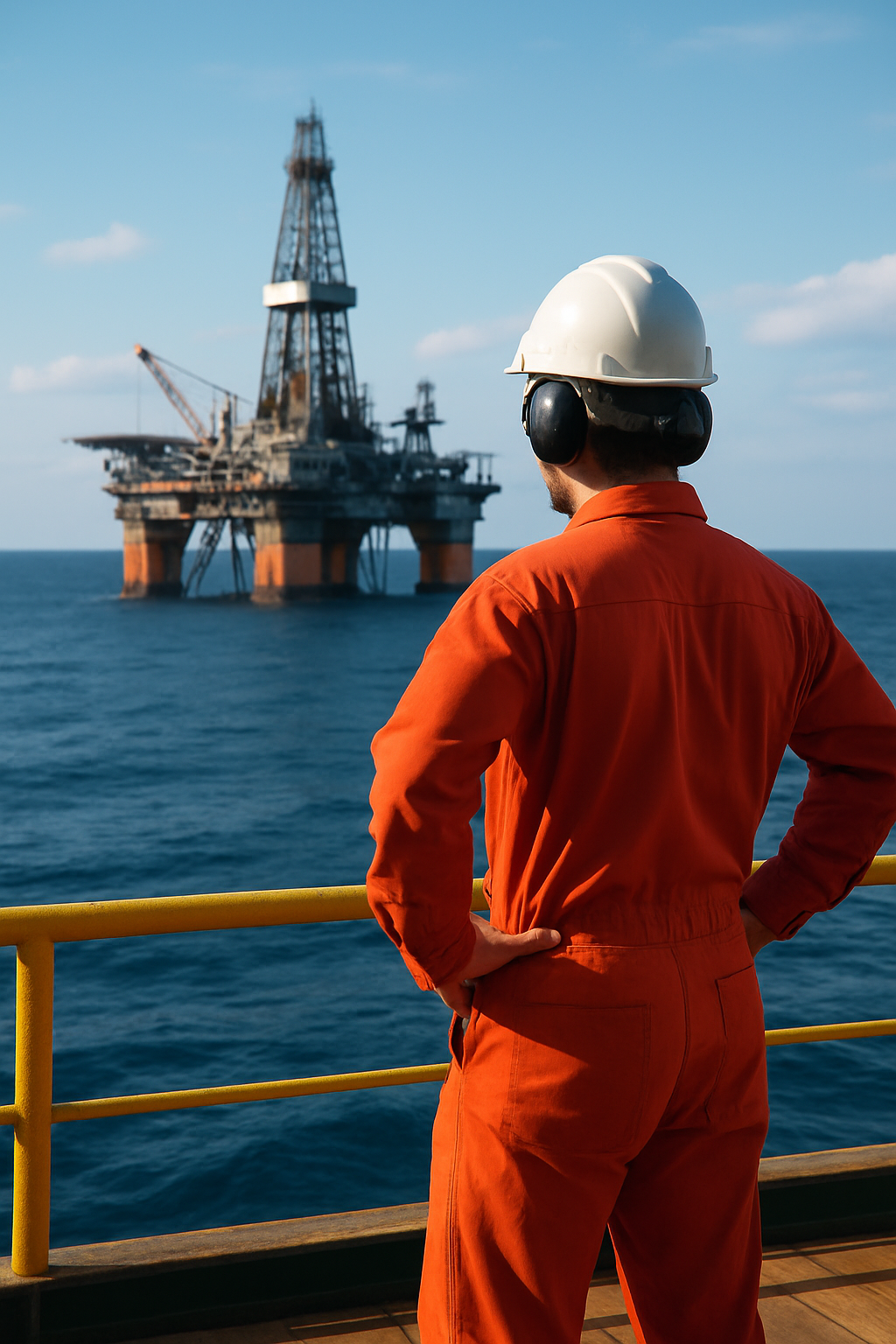
Understanding Entry-Level Offshore Drilling Careers
Starting a career in offshore drilling presents a myriad of opportunities and challenges. As a thrilling yet demanding field, it draws many entry-level professionals seeking unique and rewarding careers. In this article, we'll explore what entry-level offshore drilling entails, including the different roles available, necessary qualifications, and expected working conditions.
What Are Entry-Level Offshore Drilling Jobs?
Offshore drilling involves extracting oil and gas from beneath the ocean floor. It's a sector vital to global energy supply and requires numerous professionals across various roles. Entry-level positions generally include roles such as roustabouts, roughnecks, and maintenance assistants, which serve as stepping stones to more advanced roles within the sector.
- Roustabout: Often considered the most accessible entry point, roustabouts manage basic tasks around an oil rig, such as cleaning, painting, and manual handling. It's a hands-on role that requires physical endurance.
- Roughneck: As a roughneck, you'll work directly on the drilling floor. This role demands mechanical aptitude and involves handling drilling pipe, operating drilling equipment, and maintaining rig systems.
- Maintenance Assistant: In this position, you'll assist with the upkeep of the mechanical and electrical systems essential for smooth drilling operations.
What Qualifications Are Required?
Entry-level offshore drilling jobs often require at least a high school diploma or GED. More advanced positions might need an associate's or bachelor's degree in engineering or a related field. Additionally, certifications such as Basic Offshore Safety Induction and Emergency Training (BOSIET) are often necessary for safety compliance and providing workers with essential survival and first-aid skills.
[Safety4Sea – BOSIET Training]
What Are the Working Conditions Like?
Offshore drilling jobs are known for their unique and challenging working environments. Employees typically work on a rotation basis, spending several weeks on the rig followed by a similar period off duty. Typical shifts can last 12 hours, with operations running 24/7 to maximize productivity.
Conditions can vary from one installation to another but expect some common elements: remote locations, exposure to intense weather conditions, and long hours of demanding physical activity. However, the camaraderie and shared purpose among crew members can make the experience both professionally and personally rewarding.
What Salary and Growth Opportunities Are Available?
Entry-level offshore drilling positions are often well-compensated, reflecting the demanding nature of the work. As of 2026, roustabouts can expect to earn between $45,000 and $60,000 annually, while roughnecks might earn up to $80,000, depending on the location and company.
The industry provides numerous growth opportunities. With experience and further education, individuals can advance to positions such as driller, drilling engineer, or rig manager. Continuous learning and gaining additional certifications can significantly enhance career prospects.
[Bureau of Labor Statistics – Occupational Employment and Wages]
What Is the Future Outlook for Offshore Drilling Careers?
The future of offshore drilling is heavily influenced by technological advancements and geopolitical factors. The push for renewable energy sources creates both challenges and opportunities within the industry. As of 2026, there is a trend towards utilizing advanced drilling technologies that minimize environmental impact while keeping pace with global energy demands.
Industry players are also investing in more sustainable practices, creating new roles focused on environmental management and technology integration. These changes promise to create additional opportunities for skilled professionals who are adaptable and eager to embrace new technologies.
[International Energy Agency – Oil 2026 Report]
Final Thoughts on Starting Your Offshore Drilling Career
Embarking on an entry-level offshore drilling career is not just a job; it's an adventure that comes with high rewards and significant challenges. Aspiring professionals must be prepared for tough working conditions and commit to ongoing learning and skill development. For those who thrive in dynamic environments and are motivated by tangible achievements and teamwork, the opportunities in offshore drilling are vast and diverse.