Olive Oil for Skin: What the Science Says About Its Benefits
Explore if olive oil is beneficial for skin health. We investigate how incorporating olive oil into your routine might support radiant skin and overall wellness. Learn about potential benefits and usage tips for olive oil. Discover safe and effective ways to use this natural wonder.
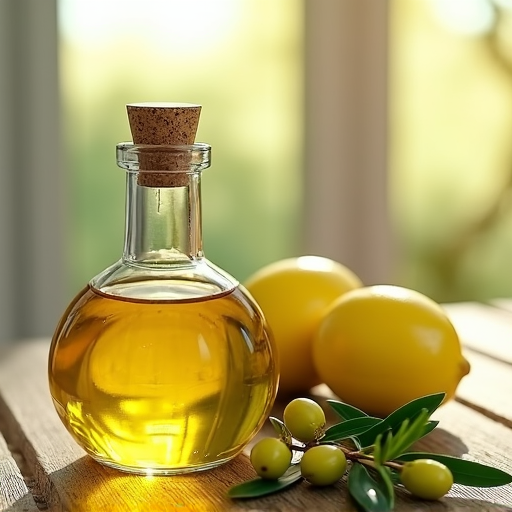
Unpacking the Truth: Does Olive Oil *Really* Work for Your Skin?
When you see claims circulating about the miraculous healing properties of olive oil on social media—particularly concerning skin care—it can be challenging to separate genuine dermatological advice from viral marketing. Olive oil, a staple in Mediterranean diets and traditional remedies, has been used for millennia, leading many to wonder: Is it a true skincare powerhouse, or is the hype overblown? The answer, as with most natural products, is complex. It depends heavily on the oil's purity, the specific skin concern, and how it is incorporated into your routine.
Before you commit to soaking your entire body in olive oil, understanding the science behind its benefits and limitations is crucial. We’re going beyond the simple 'yes' or 'no' answer to provide a comprehensive look at what makes olive oil beneficial, where it excels, and what ingredients might be better suited for your unique skin profile.
The Biological Benefits of Oleuropein and Antioxidants
The primary benefit of olive oil comes from its sophisticated chemical makeup, particularly its high levels of monounsaturated fats, polyphenols, and antioxidants. The most studied compound in extra virgin olive oil (EVOO) is oleuropein. This potent polyphenolic compound is renowned for its anti-inflammatory and antimicrobial properties.
- Anti-inflammatory Action: Inflammation is at the root of many skin issues, including eczema, psoriasis, and acne. The compounds in olive oil, like oleuropein, help soothe irritated skin barriers by modulating inflammatory pathways.
- Antioxidant Shield: Free radicals generated by UV exposure, pollution, and metabolic processes can severely damage collagen and elastin. The vitamin E and polyphenols in olive oil act as powerful antioxidants, helping to neutralize these free radicals and potentially slowing down premature signs of aging.
- Emollience and Barrier Support: As an oil, it naturally seals in moisture. It creates a protective hydrophobic layer on the skin, which is excellent for severely dry, compromised skin barriers.
Deep Dive: Where Olive Oil Shines (and Where It Falls Short)
It’s important to categorize the usage of olive oil. It is not a universal cure-all. Its effectiveness varies dramatically based on the type of skin issue.
Olive Oil for Extremely Dry and Compromised Skin
For dry skin that has been damaged by harsh weather, chemical peels, or excessive washing, olive oil serves as an excellent, natural emollient. When used *as a physical barrier sealant* (for example, immediately after a moisturizing cream), it helps minimize Trans-Epidermal Water Loss (TEWL). The soothing, fatty nature of the oil helps restore the skin's lipid barrier function.
Addressing Acne and Bacteria
Due to its antimicrobial properties, some people use olive oil as a spot treatment. While the polyphenols offer antibacterial benefits, modern dermatologists often caution against using *pure* olive oil directly on active, inflamed acne lesions. Because olive oil is occlusive (meaning it traps everything beneath it), it can, if used improperly, lead to clogged pores (comedogenic effects), especially for oily or acne-prone individuals. A better approach might be utilizing an oil-derived acne treatment that has been scientifically formulated to penetrate pores without causing congestion.
Healing Cuts and Minor Burns
Historically, olive oil has been applied to minor burns and cuts. This is largely attributed to its ability to prevent drying and create a moisturizing, soothing environment for healing. However, for deep cuts or infections, sterile, medical-grade ointments and proper professional wound care remain essential. The nutritional value of olive oil is best utilized topically as a barrier, not as a disinfectant or deep healer.