Online vs Offline: Where to Buy Bulk Groceries for Maximum Savings and Convenience
So you're ready to save some serious cash by buying groceries in bulk, but the big question is *where* to shop? We're putting the classic warehouse clubs, like Costco and Sam's Club, head-to-head with the convenience of online retailers like Amazon and Thrive Market.
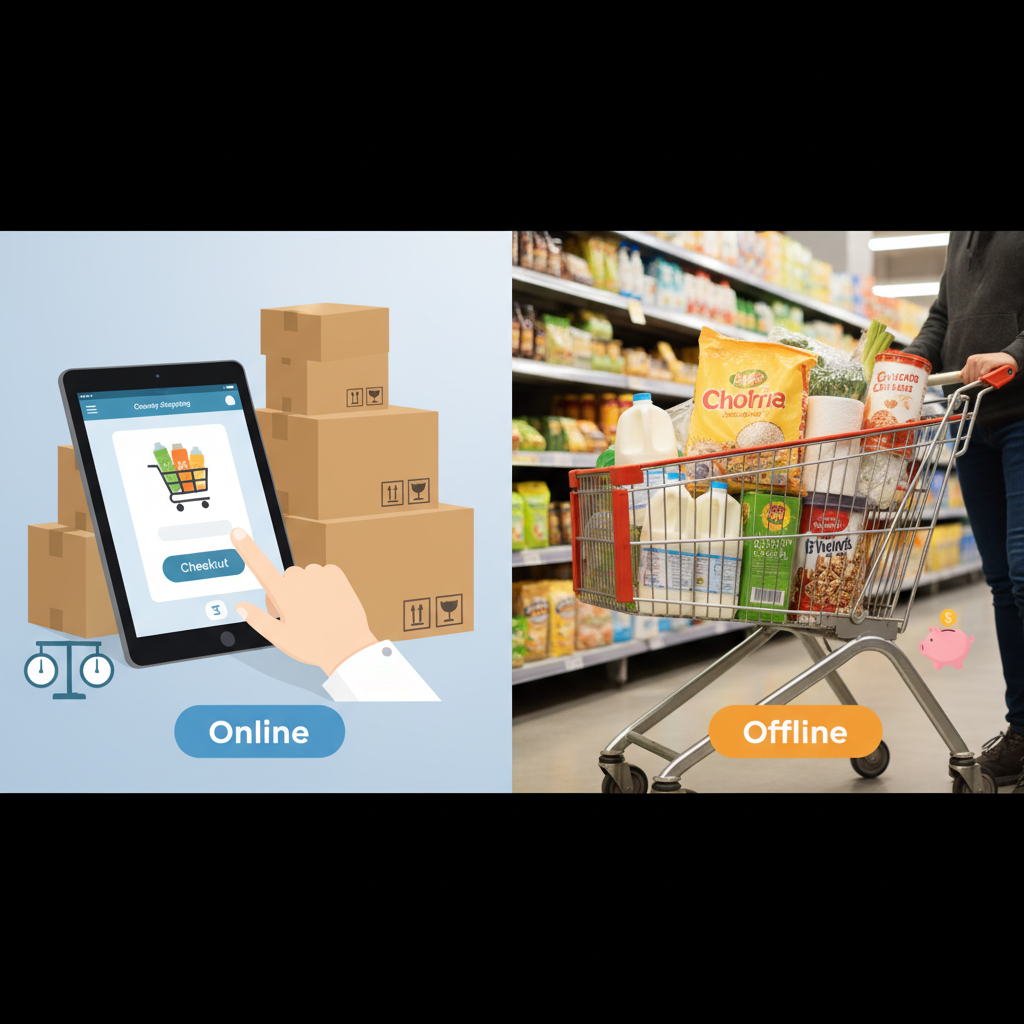
Where to Buy Bulk Groceries In-Store
The traditional method of buying in bulk involves a trip to a physical store. This hands-on approach allows you to see, touch, and choose your products directly. There are several types of brick-and-mortar stores that cater to bulk shoppers, each offering a unique experience and set of advantages.
Warehouse Clubs (Costco, Sam's Club, BJ's)
Warehouse clubs are perhaps the most well-known option for bulk shopping. These stores operate on a membership model, where an annual fee grants you access to a vast warehouse filled with products in large quantities. The core appeal is the significantly lower unit price on everything from pantry staples and fresh produce to electronics and home goods. The shopping experience is part of the draw, often featuring free samples, a popular food court, and the "treasure hunt" aspect of discovering new or seasonal items on every visit.
The primary advantage here is immediate gratification—you take your items home the same day. You can also physically inspect produce for freshness and check packaging for damage. However, the model has its downsides. The annual membership fee is a barrier for some, and the sheer volume of products can lead to impulse buys and overspending. Navigating crowded aisles and long checkout lines, especially on weekends, can be a time-consuming and stressful experience that requires planning and a vehicle large enough to haul your purchases.
Supermarkets with Bulk Bins (WinCo, Sprouts)
A growing number of supermarkets and health food stores offer dedicated sections with bulk bins. These stores, like WinCo Foods or Sprouts Farmers Market, allow you to buy exactly the amount you need of items like grains, nuts, seeds, dried fruit, spices, and coffee. You simply grab a bag, fill it with the desired quantity, and pay by weight. This model is ideal for those who want to reduce packaging waste or try a small amount of a new ingredient without committing to a large, pre-packaged container.
The flexibility of this approach is its greatest strength. There's no membership fee required, and it's incredibly cost-effective for stocking up on pantry staples where you control the portion size. On the other hand, the selection is typically limited to dry goods, so you can't do all your bulk shopping here. Some shoppers may also have hygiene concerns about the open-bin format, and the process of weighing and labeling each item can be more time-consuming than grabbing a box off a shelf.
Restaurant Supply Stores (Gordon Food Service, Restaurant Depot)
An often-overlooked option for the serious home cook or large family is the restaurant supply store. While primarily catering to businesses in the food service industry, many of these stores are open to the public. Here, you'll find true commercial-sized products, such as gallon-sized containers of condiments, 50-pound bags of flour, and enormous blocks of cheese. These are the ingredients chefs use, often at prices that are hard to beat.
The main benefit is the incredible value on staple ingredients and professional-grade kitchen tools. However, this option isn't for everyone. Some stores may require a business license or membership to shop. The quantities can be far too large for the average household, risking spoilage and waste if not planned for carefully. Furthermore, the shopping environment is typically a no-frills warehouse, lacking the customer-focused amenities of a traditional grocery store.
Where to Buy Bulk Groceries Online
For those who prioritize convenience, buying bulk groceries online has become an increasingly popular alternative. With a few clicks, you can have large quantities of household necessities delivered directly to your door, saving you a trip to the store.
Online-Only Retailers (Boxed, Thrive Market)
Several digital retailers have built their entire business model around delivering bulk goods. Services like Boxed function as an online warehouse club, often without a mandatory membership fee, offering large packages of snacks, drinks, and paper goods. Others, like Thrive Market, use a membership model to provide curated selections of organic, non-GMO, and specialty diet foods at wholesale prices, delivered on a schedule that works for you.
The convenience of home delivery is the undeniable advantage of these platforms. They make it easy to stock up on heavy or bulky items without leaving your house and offer features like easy reordering. The downsides include potential shipping fees or order minimums to qualify for free shipping. You also lose the ability to inspect items before purchase, and there's always a risk of shipping delays or damaged goods arriving at your doorstep. For services with a membership, you have to factor that annual cost into your overall savings.
E-commerce Giants (Amazon)
Amazon has become a dominant force in online bulk shopping, particularly through its "Subscribe & Save" program. This feature allows customers to set up recurring deliveries of thousands of eligible items, from diapers and dog food to coffee and cleaning supplies. In exchange for scheduling regular shipments, customers receive a discount on the purchase price. Combined with the fast shipping benefits of an Amazon Prime membership, it offers a powerful tool for automating pantry stocking.
The sheer selection available on Amazon is unmatched, and the Subscribe & Save feature offers both convenience and potential savings. However, the platform is not without its challenges. Pricing can be dynamic and fluctuate without notice, so a great deal one month might not be the same the next. The vast marketplace also means you have to be cautious of third-party sellers with questionable product quality or authenticity. The overwhelming number of choices can sometimes make simple shopping decisions more complicated.
Direct from Brands
A less common but effective strategy is to buy in bulk directly from the manufacturers. Many companies, from specialty coffee roasters to snack brands, have e-commerce websites where they sell their products directly to consumers. Buying this way often gives you access to the freshest possible product and may unlock exclusive online-only deals, bundles, or larger sizes not available in retail stores.
The primary pros are freshness and the ability to support a brand you love directly. The downside is that this approach is highly fragmented. You can only buy one type of product at a time, meaning you would have to manage separate orders and shipments from multiple websites to stock your pantry. Shipping costs can also quickly add up if you're not meeting the free shipping threshold for each individual brand.
Online vs. Offline Bulk Shopping: A Head-to-Head Comparison
Choosing between online and offline bulk shopping depends on your priorities. Here’s a direct comparison of the key factors to consider:
| Feature | Offline Shopping (In-Store) | Online Shopping |
|---|---|---|
| Convenience | Requires travel, navigating the store, and transporting goods home. Less convenient but offers immediate access to products. | Highly convenient with delivery directly to your door. Saves time and physical effort, especially for heavy items. |
| Product Selection | Selection is limited to what the store carries. Includes fresh and frozen items that are harder to ship. | Virtually limitless selection across multiple retailers. Easier to find specialty or hard-to-find items. Less focus on fresh perishables. |
| Price & Unit Cost | Often excellent unit prices, especially at warehouse clubs. Easy to compare prices on the shelf. | Competitive pricing, but can fluctuate. Savings may be offset by shipping fees or membership costs. Easy to compare across websites. |
| Ability to Inspect Goods | Full ability to check produce for freshness, inspect packaging for damage, and verify expiration dates before buying. | No ability to inspect goods beforehand. Relies on trust in the seller and delivery service. Returns can be a hassle. |
| Impulse Buying | High potential for impulse buys due to store layout, samples, and "treasure hunt" discoveries. | Lower potential for unplanned buys, though "recommended for you" sections can be tempting. Easier to stick to a list. |
| Time Commitment | Requires a significant time block for travel, shopping, checkout, and unloading at home. | Very little time required. Can be done in minutes from a computer or phone. |
The Rise of Bulk Buying: More Than Just Saving Money
The practice of buying in bulk is far from a new phenomenon. It has roots in the general stores of the past and community-focused food co-ops, where buying larger quantities was a practical necessity. The modern era of bulk shopping was largely defined by the rise of warehouse clubs in the late 20th century, which scaled this concept for the suburban consumer, promising significant savings in exchange for an annual membership.
Today, the motivations for buying in bulk have evolved beyond simple economics. There is a growing awareness of sustainability, and many shoppers purchase in bulk to reduce the amount of packaging waste generated by single-serving or smaller-sized products. The rise of meal prepping and home cooking culture has also fueled the trend, as having a well-stocked pantry is essential for planning meals for the week. Furthermore, global events have underscored the importance of household preparedness, leading many families to maintain a larger supply of essential goods.
Common Questions About Buying Groceries in Bulk
Is buying in bulk always cheaper?
Buying in bulk is usually cheaper from a unit price perspective. The key is to look at the cost per ounce, per pound, or per item, not just the upfront sticker price. For example, a 64-ounce container of ketchup may cost more than a 12-ounce bottle, but the price per ounce will almost always be lower. This is where the real savings are found, especially for items your household uses consistently.
However, it is not automatically a better deal if it leads to waste. The savings are completely negated if half of a product spoils before you can use it. This is why it’s crucial to be honest about your family's consumption habits. Non-perishable goods like paper towels, canned beans, and dried pasta are safe bets. In contrast, buying a giant bag of avocados or a case of yogurt might be a financial mistake for a small household.
What are the best items to buy in bulk?
The best candidates for bulk purchasing are items with a long shelf life that you use regularly. This can be broken down into a few key categories. First are non-perishable pantry staples like rice, dried beans, oats, pasta, and canned goods (tomatoes, tuna, etc.). These items can last for months or even years in a cool, dark place, making them zero-risk purchases.
Another excellent category is household and cleaning supplies. Toilet paper, paper towels, trash bags, laundry detergent, and dish soap never expire and will always be needed. Finally, if you have ample freezer space, buying meat, poultry, and frozen vegetables in bulk can lead to substantial savings. You can portion out the meat into freezer-safe bags for easy use in future meals, ensuring nothing goes to waste.
How do I properly store bulk groceries to prevent waste?
Proper storage is the single most important factor in making bulk buying successful. For dry goods like flour, sugar, rice, and nuts, the goal is to protect them from air, moisture, and pests. Transfer them from their original paper or plastic bags into airtight containers made of glass, food-grade plastic, or stainless steel. This not only extends their shelf life but also makes your pantry more organized and easier to use.
The storage environment matters, too. A cool, dark, and dry pantry or cupboard is the ideal location for most shelf-stable items. For anything you put in the freezer, preventing freezer burn is key. Use a vacuum sealer if you have one, or wrap items tightly in plastic wrap followed by a layer of aluminum foil or freezer paper. Always label everything with the contents and the date you stored it so you can practice the "first in, first out" method.
Making the Right Choice for Your Household
Ultimately, there is no single "best" way to buy bulk groceries. The right choice depends entirely on your personal circumstances, including your family size, storage space, budget, and lifestyle. If you value convenience above all else, online shopping is a clear winner. If you prefer to inspect your food and enjoy the in-store experience, a trip to a warehouse club might be ideal.
For many, the most effective strategy is a hybrid approach. You might use an online subscription service for predictable, non-perishable items like paper towels and coffee while visiting a physical store for fresh produce, meat, and dairy. By understanding the pros and cons of both online and offline options, you can create a customized shopping system that saves you both time and money.