Practical Kitchen Adjustments for Seniors Managing Arthritis
Explore how seniors with arthritis are revolutionizing their kitchen routines. Discover small adjustments that can make cooking more comfortable, without overpromising miracles.
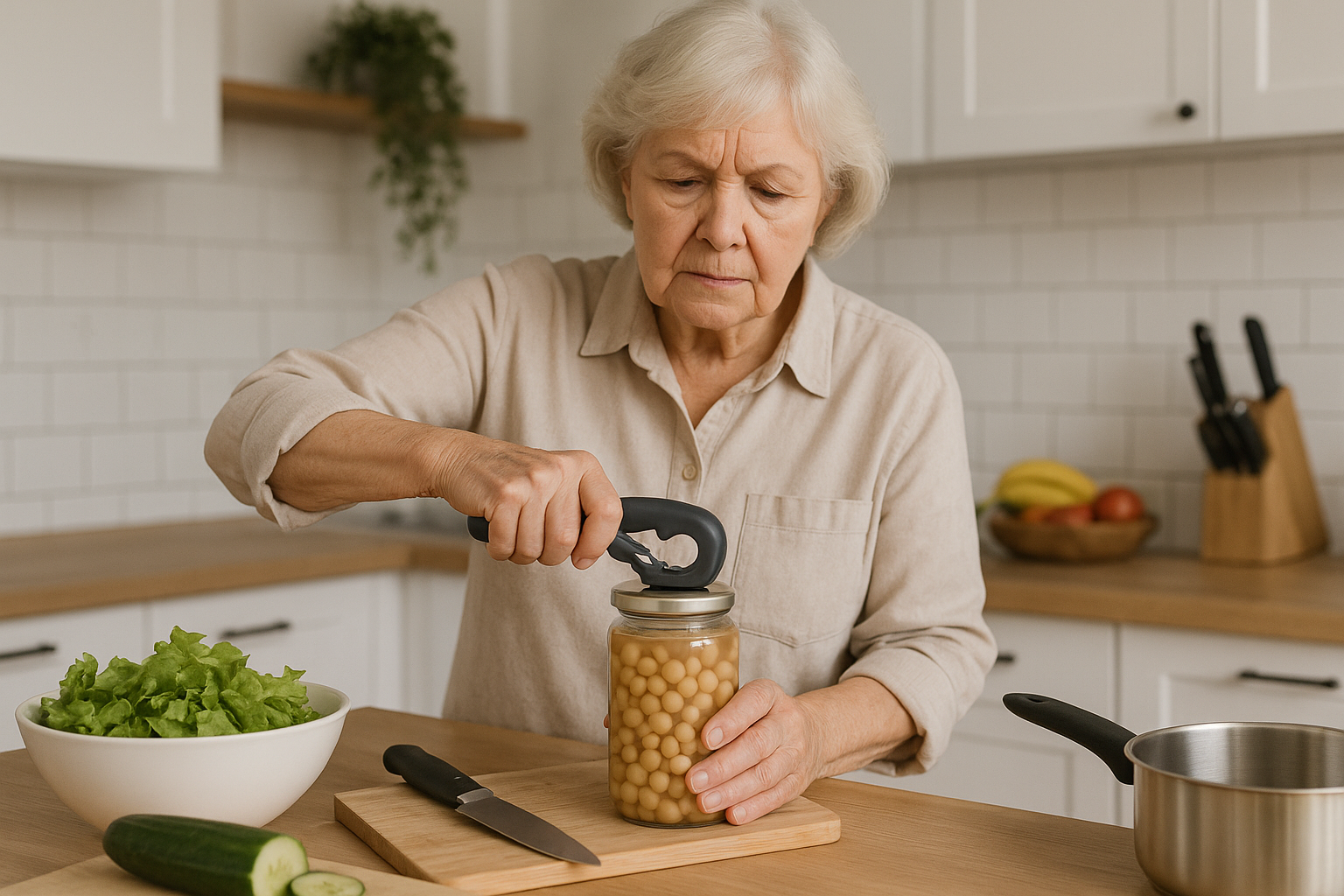
Introduction to Kitchen Adjustments for Seniors With Arthritis
Arthritis is a common condition that affects millions of seniors worldwide, causing joint pain, swelling, and reduced mobility. Everyday tasks, including those in the kitchen, can become challenging. However, many seniors with arthritis are finding ways to adapt their kitchens to suit their needs better. This article explores practical adjustments and solutions that help maintain independence and improve safety and comfort.
Why Make Kitchen Changes?
The kitchen is often the heart of the home, but for seniors with arthritis, it can pose several challenges. Retrieved from CDC data in 2026, nearly 24% of seniors report arthritis-related difficulties in daily activities. Cooking and meal preparation can become strenuous, making kitchen adjustments not just helpful but necessary.
By modifying their kitchens, seniors can:
- Reduce pain and strain during food preparation
- Increase safety and prevent falls
- Enhance their ability to maintain a healthy, nutritious diet
- Preserve their independence and dignity
Key Kitchen Modifications for Seniors With Arthritis
1. Ergonomic Tools and Equipment
Employing ergonomically designed tools can significantly ease kitchen tasks. These tools are crafted to minimize hand strain and are often lightweight, with non-slip grips. Tools such as jar openers, ergonomic knives, and electric can openers are often recommended.
A recent study by the Journal of Gerontology in 2026 indicates that seniors who used ergonomically designed kitchen tools reported a 40% decrease in discomfort levels during meal preparation.
2. Accessible Storage Solutions
Organizing the kitchen to ensure that all frequently used items are within easy reach can prevent unnecessary stretching or bending. Pull-out shelves, Lazy Susans, and adjustable cabinets are great options.
An example of effective storage is utilizing drawer-style dishwashers, which can be easier to load and unload than standard models, thus helping reduce joint strain.
3. Adjustable Countertops
Adjustable-height countertops are gaining popularity. These allow seniors to comfortably prepare food while seated or standing, depending on what is easier on their joints at the time.
The rise of such innovative home solutions was highlighted in the 2026 Home Adaptations Report, which noted a 15% increase in homes employing adjustable-height features.
4. Adequate Lighting
Enhanced lighting is crucial for safety. High-quality LED lighting that mimics natural light can reduce eye strain and improve visibility. Seniors should consider under-cabinet lighting and motion sensor lights to prevent falls and injuries.
5. Non-slip Flooring
Flooring is a critical safety feature in any kitchen. Slip-resistant flooring materials, such as textured vinyl or non-slip tiles, can help prevent falls. Multi-purpose rugs with non-skid backings are also recommended around work areas.
Smart Home Technology Assistance
Technology has become an invaluable ally for seniors with arthritis. Smart home technologies make kitchen life easier and safer. Voice-controlled assistants can help manage shopping lists, set timers, and even control appliances, reducing the need for physical interaction.
In recent years, there has been a 20% increase in seniors using smart technology for assistance in daily activities, providing another layer of convenience and independence.
The Emotional and Social Benefits of Kitchen Adaptations
Beyond physical benefits, making these changes can have significant emotional and social impacts. A functional kitchen can restore a sense of normalcy and confidence, allowing seniors to invite friends and family over for meals.
As reported by AARP in 2026, seniors who maintained an active social life experienced lower levels of depression, highlighting the importance of a comfortable and accessible kitchen.
Conclusion: Empowering Independence
Adjusting a kitchen for seniors with arthritis doesn't just improve day-to-day life; it empowers them to maintain their independence and quality of life. Whether by implementing ergonomic tools, upgrading with smart technology, or enhancing kitchen accessibility, these strategic changes are invaluable.
For anyone interested in supporting seniors living with arthritis, considering these kitchen modifications is a meaningful step towards a more comfortable, independent, and joyous life.
For further information on how to design an arthritis-friendly home, visit credible sources like Arthritis Foundation or check relevant publications in the CDC's Arthritis Program.