Practical Steps to Obtain a Small Loan Using Interac E-Transfer
Discover how to get a small loan with Interac e-Transfer effectively and securely. This guide explores practical tips on using Interac e-Transfer for easy loan transactions, while understanding potential pitfalls.
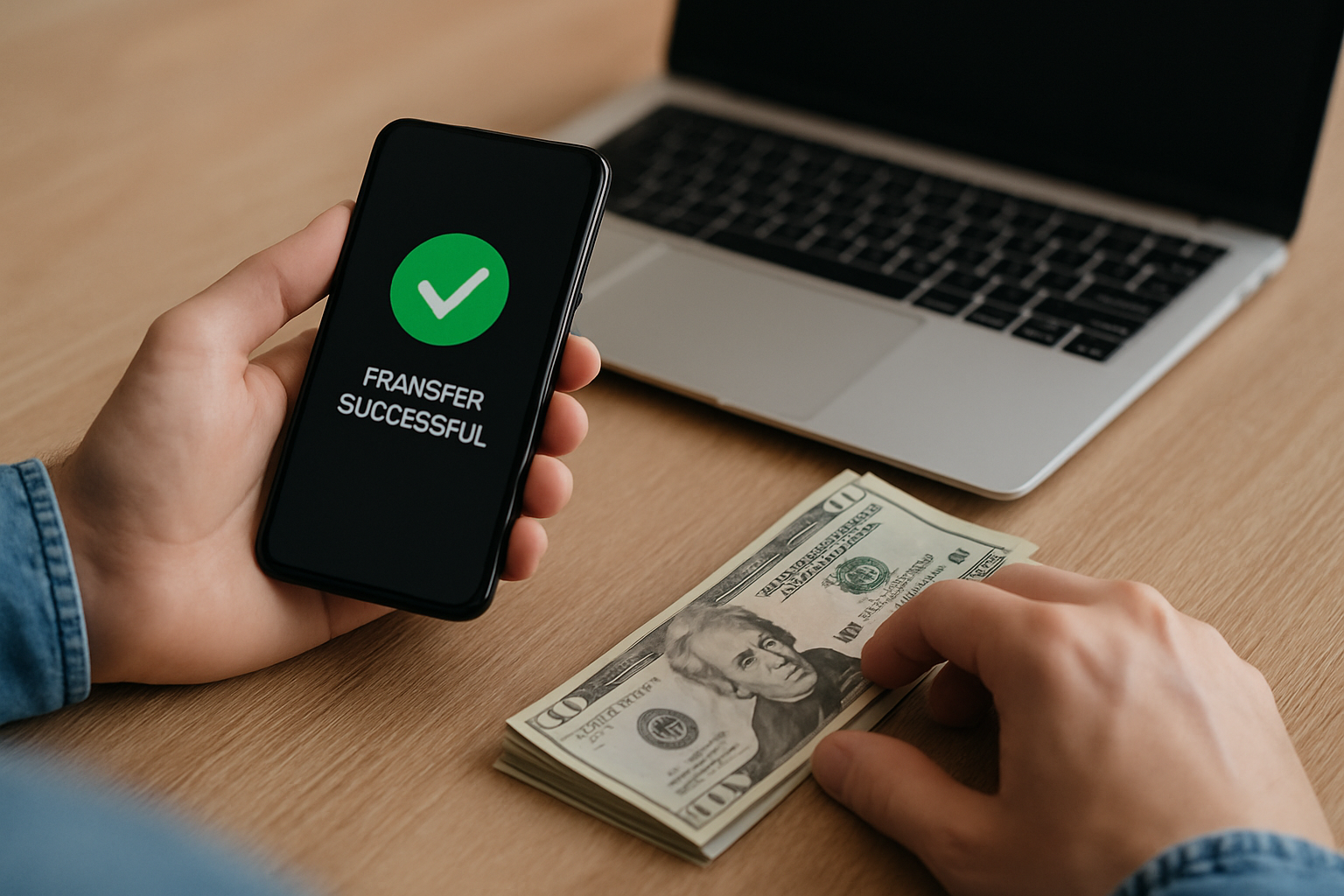
Understanding Small Loans with Interac E-Transfer
In today's fast-paced world, financial flexibility is essential. Whether you need immediate funds to cover an unexpected expense or bridge the gap until your next paycheck, small loans offered via Interac e-Transfer can be a viable option. This type of loan offers the convenience of quick access to cash without the lengthy procedures typical of traditional bank loans.
But how do these loans work, and are they right for you? Let's dive deeper into understanding how to get a small loan using Interac e-Transfer.
What is an Interac E-Transfer?
Interac e-Transfer is a widely-used Canadian banking service that allows individuals to send and receive money electronically. It is a secure and efficient way to transfer funds between personal and business accounts using email or SMS notifications to complete transactions across different banks in Canada.
This method is incredibly convenient for small loan disbursements as it requires minimal personal information about the recipient, making it faster to process than traditional banking methods.
How Small Loans Work with Interac E-Transfer
When opting for a small loan through Interac e-Transfer, the process usually involves applying with a lender who supports this method. Here’s how it typically works:
- Application: Start by filling out a basic application form on the lender’s website or through their app. The form will ask for your personal and financial details to assess your eligibility.
- Approval: The lender will review your application and provide approval often within hours. Criteria can include your credit score, income, and employment status.
- Transfer: Once approved, the loan amount is sent to your bank account via Interac e-Transfer, usually available within minutes to a few hours.
- Repayment: Repayment terms vary depending on the lender. Typically, the repayment is made in installments or as a lump sum from your next paycheck.
Advantages of Using Interac E-Transfer for Loans
There are several benefits when choosing to receive your small loan via Interac e-Transfer:
- Speed: The electronic transfer process is quick, often allowing customers access to funds on the same day as their application.
- Security: Interac e-Transfer uses robust banking security measures, ensuring secure and trusted transactions.
- Convenience: There's no need to visit a bank branch or submit physical documentation. Everything can be handled online.
- Flexibility: Interac e-Transfer is widely accepted across Canada, making it a universally accessible payment method.
Disadvantages to Consider
However, there are potential drawbacks that should be considered:
- Higher Interest Rates: Small loans can come with higher interest rates compared to traditional loans.
- Fees: There may be transaction fees associated with Interac e-Transfers depending on your bank’s policies.
- Short Repayment Terms: Often, these loans require quicker repayment, which could be a challenge if not planned properly.
Eligibility Requirements
Before applying for a small loan with Interac e-Transfer, ensure that you meet the common eligibility criteria:
- Be at least 18 years old and a Canadian resident.
- Have an active bank account that supports Interac e-Transfer.
- Provide proof of regular income, such as employment or government benefits.
- Possess a reasonable credit score, though some lenders cater specifically to those with poor credit.
Real-World Examples and Statistics
In the context of Canadian lending, it's notable that as of 2026, alternative lending solutions, such as payday loans and small loans via Interac e-Transfer, have seen increased adoption due to their quick processing time. According to a report by the Canadian Finance Association [1], approximately 25% of Canadians now resort to such services for emergency cash needs, up from 18% in 2023.
Real-world use cases include individuals needing immediate funds for medical emergencies, urgent repairs, or even last-minute travel tickets. A 2026 study by Financial Post highlighted that users prioritize fast and easy access to cash more than low-interest rates in acute scenarios [2].
Conclusion
Small loans disbursed via Interac e-Transfer are a practical option for many Canadians facing minor financial setbacks or requiring quick access to cash. While they offer undeniable convenience and speed, it's imperative to evaluate the costs involved and ensure you have a robust repayment plan in place. Weighing the pros and cons against your immediate financial needs will help you make informed borrowing decisions.
As financial technology continues to evolve, keeping abreast of the best practices and latest options can empower you to manage your finances more effectively.
Reference Links
https://www.interac.ca/en/interac-e-transfer-help/
https://www.getcybersafe.gc.ca/en/blogs/e-transfer-fraud-protect-your-online-transactions
https://consumer.ftc.gov/articles/what-know-about-advance-fee-loans