Practical Tips for Managing Winter Allergies Effectively
If you find yourself battling a stuffy nose and itchy eyes long after the fall pollen has settled, you might not have a lingering cold. Winter allergies are very real, triggered by indoor irritants like dust mites, pet dander, and mold that become concentrated when we seal our homes for the season.
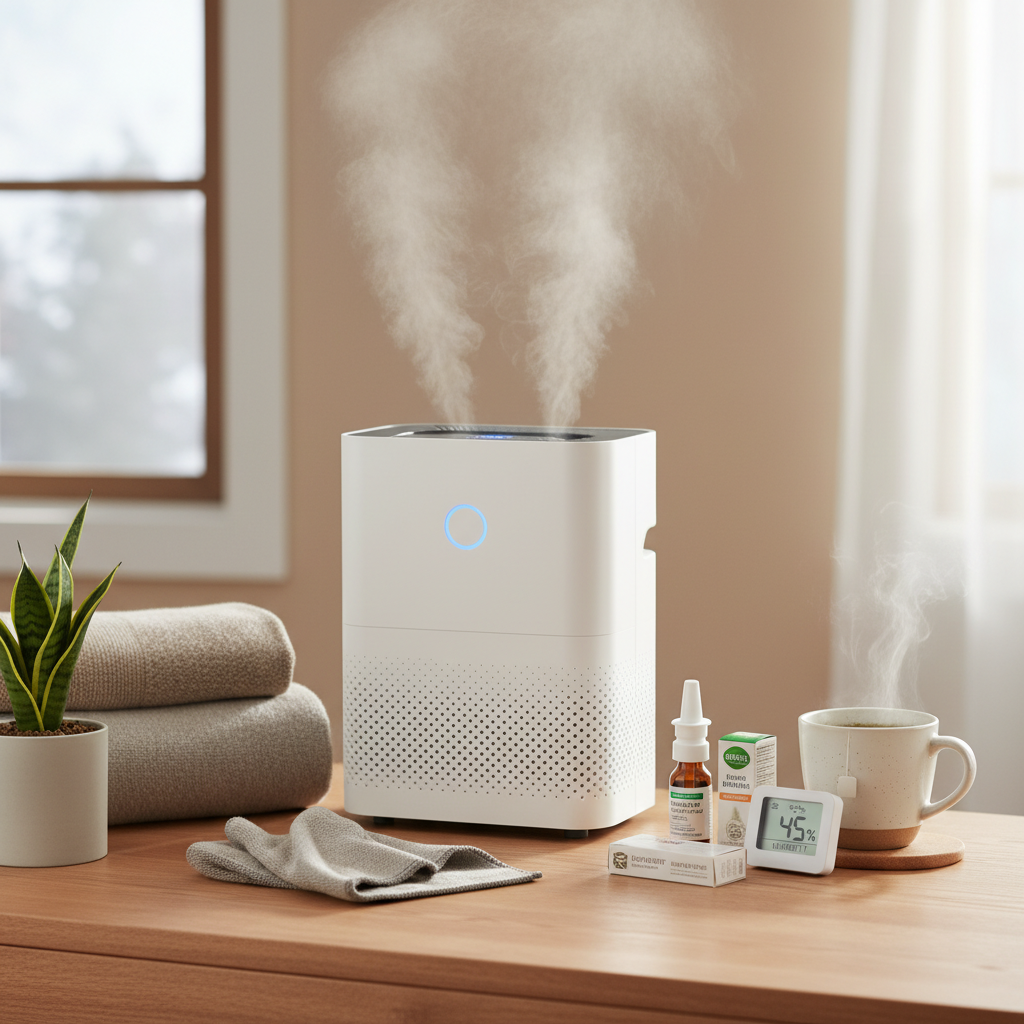
Proven Strategies for Managing Winter Allergies
When the cold weather arrives, we seal our homes to stay warm, but this can trap indoor allergens and make symptoms flare up. Managing winter allergies primarily involves controlling your indoor environment and addressing your symptoms directly. Here are effective strategies to help you find relief during the colder months.
Enhance Your Indoor Air Quality
Your home's air quality is a critical factor in managing winter allergies. Since you spend more time indoors with the windows closed, allergens like dust mites, pet dander, and mold spores become highly concentrated. Using a high-efficiency particulate air (HEPA) filter in your HVAC system can make a significant difference. These filters are designed to capture at least 99.97% of airborne particles as small as 0.3 microns, effectively removing many common allergens from circulation.
If you don't have a central HVAC system or want to target a specific room like your bedroom, a standalone air purifier with a HEPA filter is an excellent solution. Running an air purifier in the room where you sleep can help you breathe easier through the night by continuously filtering out microscopic irritants. Be sure to choose a purifier sized appropriately for your room and remember to change the filters according to the manufacturer's recommendations to maintain its effectiveness.
Maintain Optimal Humidity Levels
Humidity plays a double-edged role in winter allergies. While dry winter air can irritate your nasal passages and throat, excessive humidity creates the perfect breeding ground for dust mites and mold—two of the most common indoor allergens. The key is to maintain a balanced indoor humidity level, ideally between 30% and 50%. You can monitor this with an inexpensive device called a hygrometer.
If your home is too damp, a dehumidifier can help remove excess moisture from the air, particularly in basements, bathrooms, and laundry rooms. By keeping humidity below 50%, you make the environment less hospitable for mold and dust mites. Conversely, if the air is too dry, a humidifier can add moisture to soothe irritated airways, but be careful not to overdo it. Clean your humidifier regularly to prevent mold and bacteria from growing inside the unit and being dispersed into the air.
Implement a Rigorous Cleaning Routine
A thorough and consistent cleaning schedule is one of your best defenses against indoor allergens. Dust mites, in particular, thrive in carpets, upholstery, bedding, and curtains. Vacuum your floors and furniture at least once a week using a vacuum cleaner equipped with a HEPA filter, which traps allergens instead of blowing them back into the room. When dusting hard surfaces, use a damp cloth or microfiber duster to capture dust rather than just stirring it up.
Pay special attention to your bedroom. Wash all bedding, including sheets, pillowcases, and blankets, in hot water (at least 130°F) weekly to kill dust mites. If you have curtains, wash them regularly or consider switching to blinds that can be easily wiped clean. Reducing clutter around the house can also help, as it eliminates places where dust and other allergens can accumulate.
Manage Pet Dander Effectively
For many people, the family pet is a major source of winter allergy symptoms. Pet dander, which consists of tiny flecks of skin shed by cats, dogs, rodents, and other animals with fur or feathers, is a potent allergen. While giving up a pet is not an option for most, you can take steps to minimize exposure. Bathing your pet weekly can help reduce the amount of dander they shed.
Creating "allergy-free" zones within your home can also provide significant relief. Designate the bedroom as a pet-free area to ensure you have a clean-air environment for sleeping. Hardwood or laminate flooring is easier to keep free of dander than carpeting. After playing with or petting your pet, wash your hands thoroughly to avoid transferring allergens to your face and eyes.
Proactively Prevent Mold and Mildew
Mold is another pervasive indoor allergen that loves damp, dark places. Bathrooms, kitchens, and basements are common hotspots. To prevent mold growth, ensure these areas are well-ventilated. Use an exhaust fan while showering or cooking to vent moisture outside. Promptly repair any leaks in your roof or plumbing, as even a small amount of water can lead to a significant mold problem.
If you discover mold, it's important to clean it up safely. For small areas, a solution of detergent and water can be effective. For more extensive mold issues, it may be necessary to consult a professional remediation service. Regularly cleaning your shower curtains, bathroom tiles, and window sills will also help keep mold from taking hold.
Utilize Over-the-Counter Symptom Relief
When environmental controls aren't enough, several over-the-counter (OTC) options can help manage your symptoms. Antihistamines are often the first line of defense, as they work by blocking the histamine your body releases during an allergic reaction, thereby reducing sneezing, itching, and a runny nose. Non-drowsy formulas are available for daytime use.
For nasal congestion, decongestants can provide short-term relief. However, they should be used cautiously and for no more than a few days at a time to avoid rebound congestion. Nasal corticosteroid sprays are another highly effective option for reducing inflammation in the nasal passages. For a non-medicated approach, a saline nasal rinse can help flush allergens and mucus out of your nasal passages, providing gentle relief.