Practical Tips for Staying Warm at Home During a Power Outage
When the power goes out, keeping your home warm can be challenging but manageable with the right strategies. Explore innovative solutions for maintaining warmth during power outages in our comprehensive guide. Learn practical tips to keep your home warm without relying on electricity.
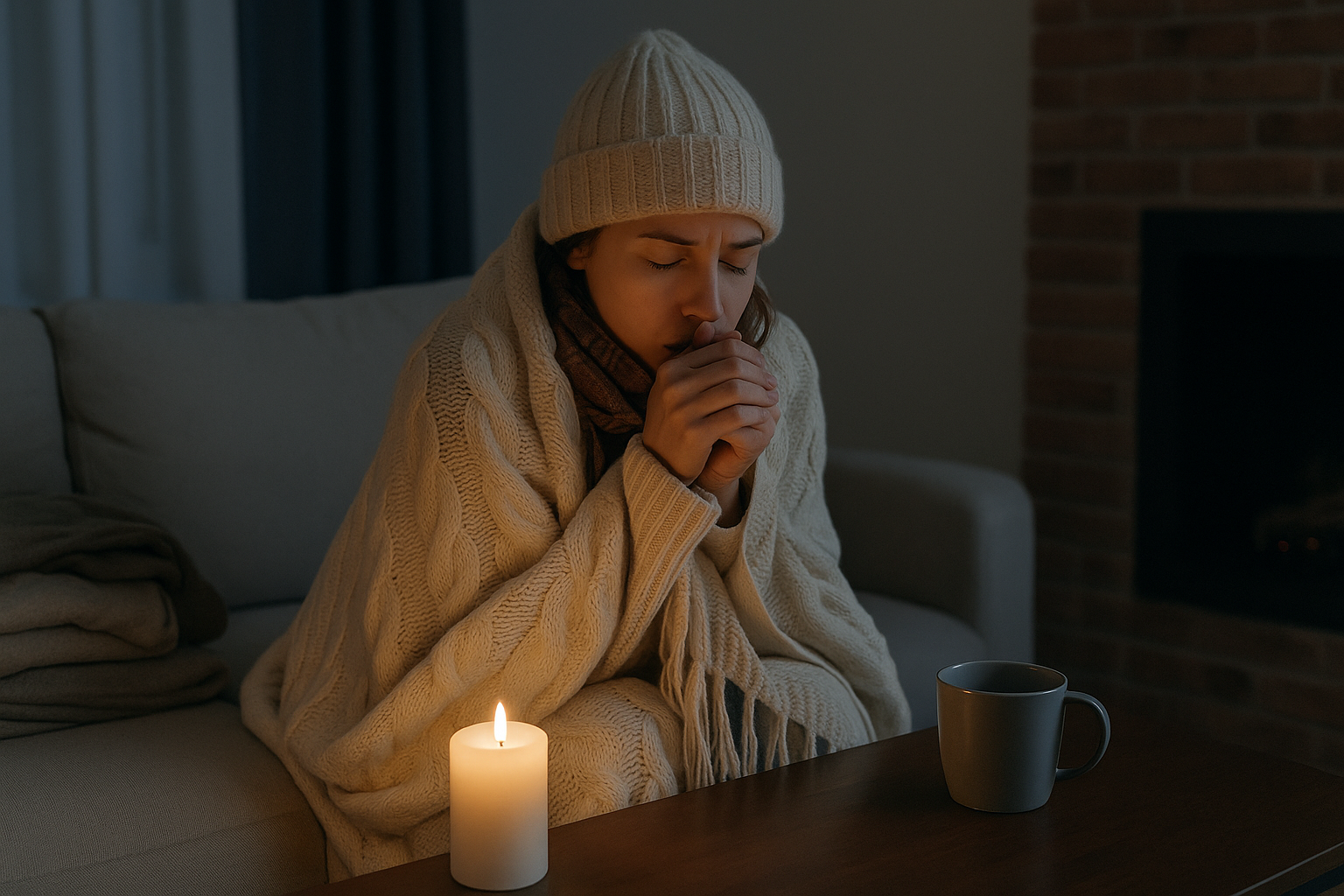
Preparing Your Home for Power Outages
As unpredictable weather patterns become more common, it's essential to have a plan for keeping your home warm during a power outage. In 2026, global temperature anomalies have already resulted in increased storms and more frequent blackouts, making preparedness more vital than ever. Here, we offer insights on effective strategies to ensure warmth without relying on electricity.
Insulation: Your First Line of Defense
Before a blackout happens, increasing your home's insulation can significantly impact how well it retains heat. This year, around 40% of the energy loss in U.S. homes is attributed to deficient insulation. Ensure walls, attics, and basements have proper insulation. Use simple methods like adding draft excluders to doors and windows, or installing heavy curtains to trap heat indoors.
Seal Off Unused Spaces
During a power outage, focus your efforts on keeping key living areas warm. Close off rooms that aren't in use by shutting doors and placing rolled towels or draft stoppers along the thresholds. This confines warmth to particular spaces, reducing the volume required to heat, thus maintaining a more manageable environment.
Leverage Natural Heat Sources
During daytime, take advantage of solar energy. Open curtains or blinds on south-facing windows to admit sunlight, which can naturally heat your home. After sundown, close curtains to keep the accumulated warmth from dissipating. According to recent studies, using this passive solar strategy can contribute up to 10% of the heat needed during an outage.
Alternative Heating Solutions
Portable Heaters and Solar Generators
Investing in portable heaters, particularly ones that don't require electricity, can be a practical solution. Models fueled by propane or kerosene are capable of efficiently heating smaller spaces. Ensure you follow safety guidelines to provide necessary ventilation and place heaters on stable surfaces away from flammable materials.
Solar generators have gained traction this year as eco-friendly alternatives. They can power small appliances and some models are designed with integrated heaters. From recent consumer reports, solar generators are seeing a 30% increase in sales owing to their dual functionality and ease of use.
Using a Wood-Burning Stove
If you have a fireplace or wood-burning stove, it can be an invaluable source of heat during a power outage. Ensure that it is well-maintained and thoroughly cleaned to promote efficient burning and effective heat output. Stock up on seasoned firewood and kindling ahead of anticipated storms.
Consider a Home Battery Backup System
Modern battery systems, such as Tesla’s Powerwall, offer a reliable solution by storing energy from renewable sources like solar panels. These systems can not only provide electricity during an outage but can also power heating solutions that contribute to a warm home environment. According to energy experts, battery backup installations have increased by 50% in 2026, making them a popular option for families looking to safeguard against blackouts.
Maintaining Personal Warmth
Layer Clothing Strategically
Wearing multiple layers of clothing helps trap body heat effectively. Start with a moisture-wicking layer, add insulation like wool or fleece, and complete with a windproof outer layer. Ensure extremities are protected with hats and gloves, as they are high heat-loss areas.
Use Sleeping Bags and Thermal Blankets
Thermal blankets and sleeping bags are vital tools. Designed to conserve body heat, they can keep you warm even in harsh conditions. For additional warmth, place a thermal blanket between your sheets and sleeping bag during nighttime.
Stay Active Indoors
To generate heat naturally, keep moving. Simple exercises such as jumping jacks, push-ups, or even dancing can increase your body temperature and contribute to overall warmth. However, balance is key—avoiding overexertion is crucial to conserving energy during prolonged outages.
Additional Resources and Planning
For more detailed information on being prepared for power outages, consider consulting resources such as those provided by the U.S. Department of Homeland Security or checking updates and tips for your region via local weather services. Implement a family plan that includes where to find flashlights, first-aid kits, and other essential items.
Engaging with community programs on preparedness can also link you to workshops and experts who can offer personal advice tailored to your region's unique challenges.
By adopting these strategies, you can remain comfortable and secure in your home, even when the lights go out. Remember, preparation is the best defense.