Practical Tips to Slash Your Winter Energy Costs
Watching your energy bill climb every winter can be frustrating, but you have more control over it than you might think. We’ve compiled our most effective tips to help you lower costs, covering everything from simple DIY draft-proofing to smarter thermostat settings.
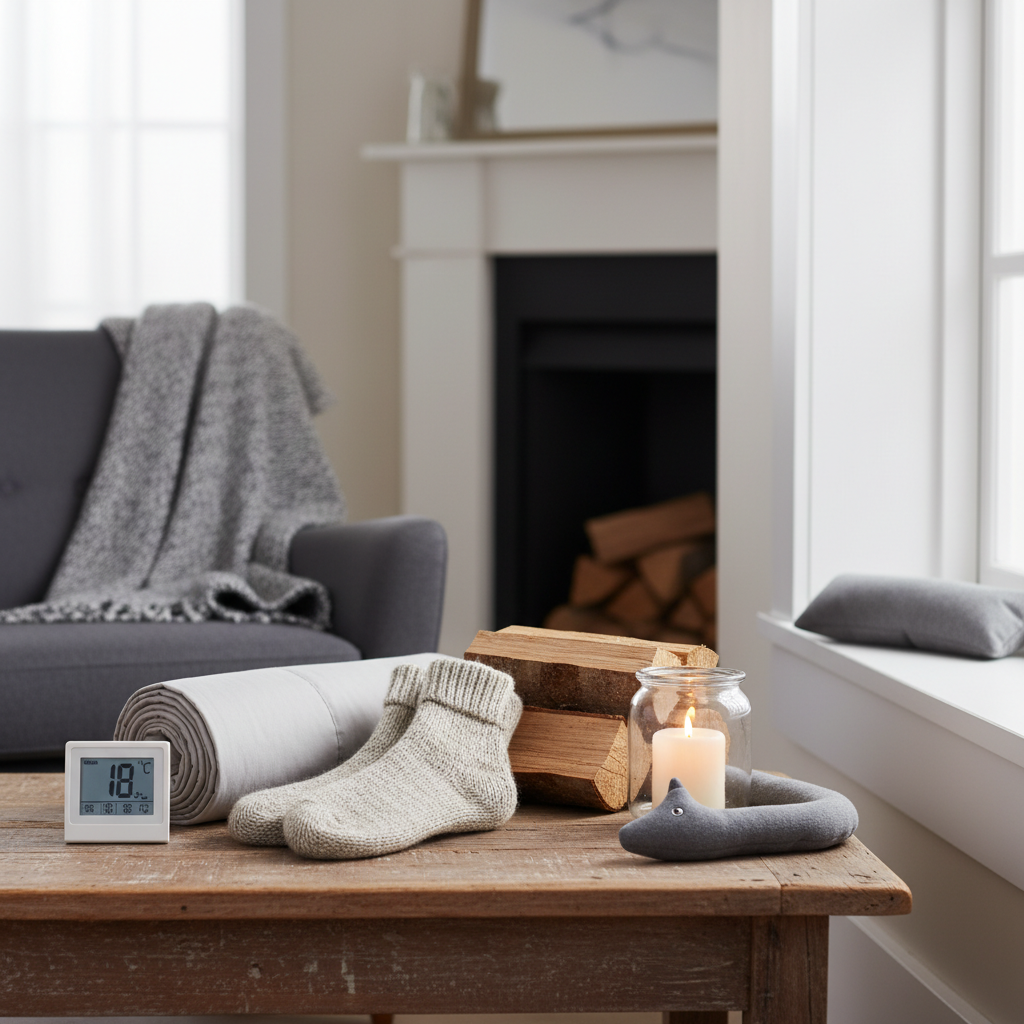
No-Cost & Low-Cost Energy Saving Tips
When the temperature drops, it's natural for your heating system to work overtime, leading to a noticeable spike in your energy bill. The good news is that you don't have to choose between staying warm and saving money. Many effective strategies are completely free or require only a minimal investment, allowing you to make an immediate impact on your home's energy consumption.
1. Optimize Your Thermostat Settings
Your thermostat is the command center for your home's heating and, consequently, a major driver of your energy bill. One of the simplest and most effective ways to save is by being strategic with your temperature settings. The Department of Energy suggests setting your thermostat to 68°F while you're awake and at home, and then lowering it by 7-10 degrees when you're asleep or away. This simple setback can save you as much as 10% a year on heating costs, as every degree you lower the thermostat for an 8-hour period can reduce your bill by about 1%.
If you don't have a programmable thermostat, you can still achieve these savings by making manual adjustments a part of your daily routine. Lower it when you leave for work and before you go to bed. The key is to reduce the difference between the indoor and outdoor temperatures for long periods. Your furnace won't have to work harder to warm the house back up; it will simply run for a bit longer, which is still more efficient than maintaining a high temperature 24/7.
2. Harness the Power of the Sun
The sun is a powerful and free source of heat, even on the coldest winter days. You can take advantage of this natural resource through a technique called passive solar heating. During the day, open the curtains and blinds on your south-facing windows to let the sunlight in. The solar energy will naturally warm up the floors and furniture in your home, reducing the amount of work your furnace needs to do. This simple act can make a surprising difference in the overall comfort of your living space.
Conversely, as soon as the sun begins to set, make sure to close those same curtains and blinds. This traps the heat you've collected inside and provides an extra layer of insulation against the cold night air. Thick, insulated curtains work best for this, but any window covering is better than none. Managing your window treatments is a zero-cost habit that directly translates into lower heating expenses.
3. Find and Seal Air Leaks
A warm home with air leaks is like trying to fill a bucket with holes in it. Heated air will escape, and cold air will infiltrate, forcing your heating system to run constantly to compensate. These drafts are often found around windows, doors, electrical outlets, and any place where pipes or vents enter your home. A simple way to find them is to hold a lit incense stick near these areas on a windy day; if the smoke wavers, you've found a leak.
Sealing these leaks is an inexpensive and highly effective weekend project. Use caulk to seal small cracks and gaps around stationary window frames and door frames. For moving parts, like the bottom of doors or the sashes of windows, apply weatherstripping. These materials are available at any hardware store and can pay for themselves in energy savings in just one season. Don't forget to check the seal on your attic door or access panel, as this is a common source of significant heat loss.
4. Lower Your Water Heater Temperature
Water heating is the second-largest energy expense in most homes, accounting for a significant portion of your utility bill. Many manufacturers set water heater thermostats to 140°F by default, but most households don't need water that hot. Lowering the temperature to 120°F is perfectly adequate for most needs, reduces the risk of scalding, and can save you a considerable amount of money. For every 10°F reduction in temperature, you can save between 3% and 5% on your water heating costs.
This is a simple adjustment you can usually make yourself by following the instructions in your water heater's manual. Reducing the temperature slows down mineral buildup and corrosion in your heater and pipes, which can also extend the life of your appliance. It's a small change that offers continuous savings without any noticeable impact on your daily comfort.
5. Reverse Your Ceiling Fans
Most people associate ceiling fans with cooling down in the summer, but they can be a valuable tool for staying warm in the winter, too. Hot air is less dense than cold air, so it naturally rises and collects near your ceiling. A standard ceiling fan has a switch on the motor housing that allows you to reverse the direction of the blades. In the winter, you want the blades to rotate clockwise at a low speed.
This clockwise rotation creates a gentle updraft, which pushes the warm air trapped at the ceiling down along the walls and back into your living space. This circulation helps to distribute heat more evenly throughout the room, making you feel warmer and allowing you to lower your thermostat by a degree or two without sacrificing comfort. It's an easy, no-cost adjustment that makes your heating system more efficient.
6. Reduce Phantom Energy Loads
Many modern electronics and appliances continue to draw power even when they are turned off. This "phantom load" or "vampire power" can account for up to 10% of your home's electricity use. Devices like televisions, game consoles, computers, and chargers are common culprits. While each device may only draw a small amount, the cumulative effect can add up significantly over a month.
The easiest way to combat this is to unplug devices when you're not using them. For greater convenience, plug multiple electronics into a smart power strip. These power strips can be programmed to shut off power completely to all connected devices with the flip of a single switch or even automatically when the primary device (like a computer) is turned off. It’s a simple habit that prevents unnecessary energy waste.
7. Check and Clean Your Furnace Filter
A dirty furnace filter is one of the most common causes of heating system inefficiency. When the filter becomes clogged with dust, pet dander, and other debris, it restricts airflow. This forces your furnace's fan motor to work much harder to circulate air through your home, consuming more energy and putting unnecessary strain on the system's components. A severely clogged filter can even lead to equipment damage and costly repairs.
You should check your furnace filter every month during the heating season and replace or clean it as needed. Standard disposable filters are inexpensive and should typically be replaced every 1 to 3 months. Following this simple maintenance task ensures your system runs at peak efficiency, improves your home's air quality, and helps you avoid larger problems down the road.
Why Do Energy Bills Spike So Dramatically in the Winter?
The sticker shock from a winter energy bill can be jarring, but the reasons behind the sharp increase are based on simple physics and human behavior. The primary driver is the greater temperature difference, or "delta T," between the inside of your home and the outside world. When it's 70°F inside and 20°F outside, your home is constantly losing heat to the colder environment. The bigger this temperature gap, the faster the heat loss occurs, and the more your furnace must run to maintain a comfortable temperature.
Another factor is the reduced daylight. Shorter winter days mean we turn on our lights earlier in the evening and keep them on later in the morning, directly increasing electricity consumption. We also tend to spend much more time indoors during the winter. This leads to more frequent use of televisions, computers, ovens, and other appliances, all of which contribute to a higher overall energy demand. Even your water heater has to work harder, as the municipal water entering your home is significantly colder than in the summer, requiring more energy to heat it up to your desired temperature.
Common Questions About Winter Energy Savings
Are Space Heaters an Energy-Efficient Way to Stay Warm?
The efficiency of a space heater depends entirely on how you use it. On a watt-for-watt basis, electric resistance heaters (the most common type) are not more efficient than a central furnace. However, they can be a cost-effective solution for "zone heating." If you spend most of your time in one room, like a home office or living room, using a small space heater to warm that specific area while turning down your central thermostat can save significant money. You avoid the cost of heating the entire house just to keep one room comfortable.
It's crucial to choose the right type of heater for your needs—radiant heaters are good for warming people directly, while convection heaters are better for warming the air in an entire room. Always prioritize safety by choosing a model with an automatic shut-off feature in case it tips over and keeping it far away from flammable materials. Used strategically, a space heater can be a great tool for saving energy, but using multiple space heaters to warm a large home will almost always be more expensive than using a central furnace.
What Is a Home Energy Audit and Is It Worth It?
A home energy audit is a comprehensive assessment of your home's energy use, designed to identify where you are losing energy and how you can improve efficiency. A professional auditor will use specialized tools, such as a blower door test to measure air leakage and an infrared camera to detect missing insulation or thermal bridges. They will inspect your heating and cooling systems, insulation, windows, doors, and lighting to create a detailed report of recommended improvements.
For many homeowners, an energy audit is absolutely worth it. While there is an upfront cost, the audit provides a prioritized roadmap for making energy-saving upgrades. It can uncover major problems you weren't aware of, like an uninsulated attic or leaky ductwork, that are costing you hundreds of dollars each year. By focusing your improvement efforts on the areas with the biggest potential for savings, an audit can help you make smarter investments that pay for themselves over time through lower utility bills.
Conclusion
Lowering your winter energy bill doesn't require drastic sacrifices. It's about making a series of smart, conscious choices. By implementing simple, no-cost habits like optimizing your thermostat and using your curtains strategically, you can make an immediate dent in your energy consumption. For those willing to make small investments in things like weatherstripping and new furnace filters, the savings can be even more substantial. By understanding where your home uses and loses the most energy, you can take targeted action to stay warm and comfortable all winter long without breaking the bank.