Practical Ways to Lower Your Electricity Bill: A Guide for Low-Income Households
Tired of high electricity bills on a low income? Discover practical strategies to manage costs effectively. From government programs to energy-saving tips, this guide offers insights that can help reduce your electricity bill.
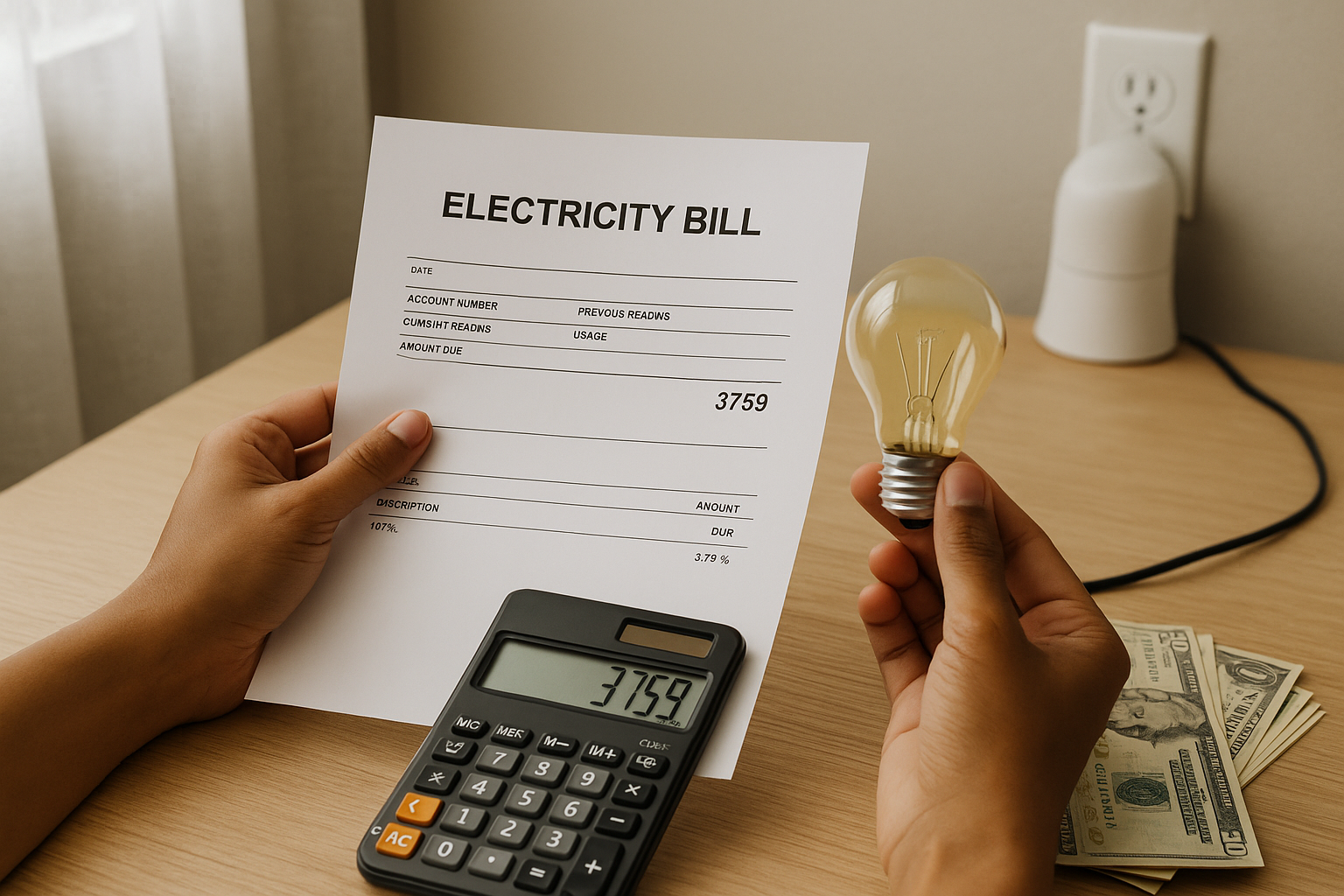
Understanding Your Electricity Bill
For many households, especially those on a low income, electricity bills can be a significant concern. Understanding your electricity bill is the first step toward managing it effectively. Your bill typically includes several components:
- Energy Consumption: The amount of electricity you use, measured in kilowatt-hours (kWh).
- Supply Charges: Fees for maintaining the infrastructure to deliver electricity.
- Taxes and Additional Fees: These can vary by location and service provider.
By understanding these charges, you can identify the areas where you can potentially save money.
Why is My Electricity Bill So High?
High electricity bills can result from several factors, and knowing these can help you take action. Some common reasons include:
- Inefficient Appliances: Older or poorly maintained appliances can consume more energy than necessary.
- Poor Home Insulation: Inadequate insulation means your heating or cooling system has to work harder to maintain a comfortable temperature.
- Seasonal Variations: Extreme weather conditions often lead to increased use of heating or cooling systems.
- Incorrect Billing: Sometimes, errors in meter readings or billing mistakes can result in unexpectedly high bills.
Effective Ways to Lower Your Electricity Bill
There are several strategies you can implement to reduce your electricity bill, even on a low income:
Become Energy Efficient
Energy efficiency means using less energy to provide the same service. Here are ways to become more energy-efficient:
- Use Energy-Efficient Appliances: Look for appliances with high Energy Star ratings. They might cost more upfront but save money in the long run.
- Switch to LED Bulbs: LED bulbs use up to 75% less energy than traditional incandescent bulbs.
- Regular Maintenance: Keep appliances like air conditioners and heaters in good working condition to ensure they run efficiently.
Maximize Home Insulation
Proper insulation can keep your home warmer in winter and cooler in summer, reducing the need for heating and cooling:
- Seal Windows and Doors: Use weatherstripping or caulking to prevent drafts.
- Insulate the Attic and Walls: Consider affordable DIY insulating solutions or community energy-saving programs.
Utilize Off-Peak Hours
Many energy providers charge less for electricity used during off-peak hours. Check with your provider to see if you can take advantage of this by running large appliances like washing machines and dishwashers at night or early in the morning.
Financial Assistance and Support Programs
If reducing usage isn’t enough, there are programs designed to help those on a low income manage their electricity bills:
- Low-Income Home Energy Assistance Program (LIHEAP): This federal program helps eligible households with heating and cooling energy costs, while also providing holistic household energy solutions.
- Local Utility Assistance Programs: Many utility companies offer payment plans, discounts, or rebates to help reduce costs. Check with your provider for available options.
Community Resources and DIY Solutions
Join Cooperative Buying Groups
Cooperatives often negotiate electricity rates as a group, allowing members to benefit from lower costs. This is particularly effective in areas where small community groups can manage shared energy initiatives.
DIY Solutions
Simple do-it-yourself projects can significantly cut down energy usage:
- Install a Programmable Thermostat: This investment allows you to pre-set temperatures for different times, ensuring efficient energy use.
- Use Smart Power Strips: These can protect your devices from power surges and save energy by reducing standby power usage.
Conclusion
Taking control of your electricity bill requires a combination of understanding, action, and seeking available assistance. By optimizing energy consumption, improving home efficiency, and utilizing available programs, even households on a low income can make significant strides in reducing their electricity expenses. Staying informed and proactive is key to achieving manageable energy costs.
For more detailed solutions and personalized advice, consider reaching out to local community organizations or energy efficiency consultants who can provide tailored solutions to fit your specific circumstances and needs.