Preventing Plantar Warts: Understanding How They Spread at Home
Yes, plantar warts can absolutely spread from one person to another right inside your own home. The virus that causes them is surprisingly resilient and thrives in common household areas you might not have considered.
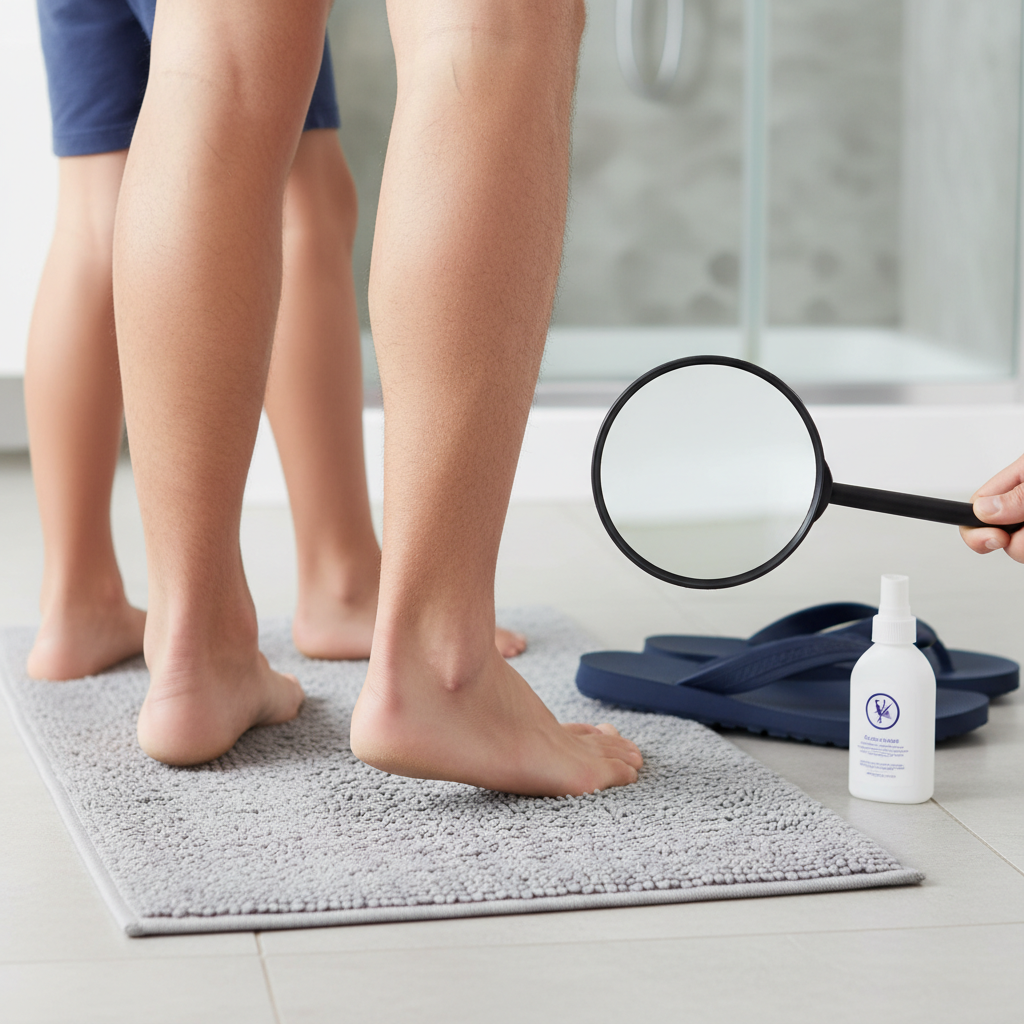
Plantar warts are a common and often stubborn skin condition caused by the Human Papillomavirus (HPV). While they are typically harmless, they can be painful and are notoriously contagious. Understanding how they spread within your own home is the first and most critical step in preventing transmission to other family members and stopping them from spreading to other parts of your own body. The virus thrives in specific environments and can be transferred through both direct and indirect contact, making household vigilance essential.
The key to the spread of plantar warts is the HPV virus finding a way into the skin. This usually happens through tiny, often invisible cuts, scrapes, or weak spots in the outer layer of the skin on the feet. Once the virus enters, it can take weeks or even months to grow into a visible wart. This long incubation period means you might not realize you've been exposed until long after the fact, making preventative measures even more important.
Primary Ways Plantar Warts Spread in a Household
Your home contains several hotspots where the HPV virus can linger and spread. Here are the most common ways plantar warts are transmitted from person to person within a domestic environment.
Shared Bathrooms and Showers
The bathroom, particularly the shower floor or the area around the bathtub, is the number one culprit for spreading plantar warts at home. The HPV virus flourishes in warm, damp environments. When someone with a plantar wart showers, viral particles can be shed from the wart onto the floor. The wet surface keeps the virus viable for a period of time.
If another person then steps onto that same surface, especially with any small breaks in the skin on their feet, they can easily pick up the virus. This is why it's highly recommended for anyone with a plantar wart to wear shower shoes or flip-flops, even in their own home shower, to contain the virus and protect others.
Contaminated Towels, Bathmats, and Washcloths
Any fabric that comes into contact with a wart can become a temporary carrier for the virus. If you dry your feet with a towel after showering, the virus can transfer from the wart to the towel's fibers. If another family member then uses that same towel, they risk exposing their skin to HPV. The same logic applies to shared washcloths and, perhaps most significantly, bathmats.
A bathmat is the perfect breeding ground: it's absorbent, often damp, and stepped on by multiple people. The virus shed in the shower can land on the mat and easily be picked up by the next person. To prevent this, individuals with a plantar wart should use their own designated towel and bathmat, which should be washed regularly in hot water.
Direct Skin-to-Skin Contact
While less common for plantar warts compared to warts on the hands, direct skin-to-skin contact can still be a mode of transmission. This could happen if, for example, family members are wrestling or playing barefoot and an uninfected foot comes into direct, firm contact with a wart. The risk increases if the uninfected person has any cuts or abrasions on their foot.
This also includes self-transmission, known as auto-inoculation. If you touch, pick at, or scratch your wart and then touch another part of your foot, you can spread the virus and cause new warts to grow nearby. This is why it's crucial to wash your hands thoroughly after touching a wart for any reason.
Shared Personal Care Items
Items used for foot care are significant vehicles for transmission. Tools like nail clippers, nail files, pumice stones, or callus shavers can easily spread the virus. If these instruments are used on a wart, they can become contaminated with viral particles. Using them on an uninfected area of the foot or on another person's foot can create a new infection.
Each family member should have their own set of pedicure tools. If you have a plantar wart, any tool that touches it should be considered contaminated and should be thoroughly disinfected with rubbing alcohol or a bleach solution after every single use to kill the virus.
Floors and Carpets
The HPV virus can survive for a period on dry surfaces like floors and carpets, though its lifespan is much shorter than in moist environments. If someone with a plantar wart walks around barefoot, they can shed skin cells containing the virus onto the floor. While the risk is lower than in a wet shower, it's not zero. Regular vacuuming and cleaning of floors can help reduce the amount of viral particles present in the environment.
Understanding the Culprit: What Exactly is a Plantar Wart?
To fully grasp how plantar warts spread, it helps to understand what they are. A plantar wart is a non-cancerous skin growth that appears on the soles (the plantar surface) of the feet. These warts are caused by a direct infection of the skin by certain strains of the Human Papillomavirus (HPV). There are over 100 strains of HPV, but only a few are known to cause warts on the feet.
Unlike other warts, the pressure from walking and standing often forces a plantar wart to grow inward, beneath a thick, tough layer of skin. This inward growth is what can make them particularly painful, often described as feeling like there's a pebble in your shoe. Plantar warts can appear as a single lesion or in a cluster, known as mosaic warts. A key identifying feature is the presence of tiny black dots in the center, which are small, clotted blood vessels.
Common Questions About Wart Transmission
Understanding the basics of how warts spread often leads to more specific questions about personal risk and prevention. Here are answers to some of the most common queries.
Can plantar warts spread to your hands or other body parts?
Yes, this is possible through a process called auto-inoculation. If you touch or scratch your plantar wart, the HPV virus can get on your fingers or under your fingernails. If you then touch another part of your body, especially an area with broken skin, you can transfer the virus and start a new infection. This is how someone might develop warts on their hands (common warts) or other areas from a plantar wart on their foot.
This is why personal hygiene is so critical when you have a wart. You should always wash your hands thoroughly with soap and water after touching your wart, applying medication, or changing a bandage. Resisting the urge to pick at the wart is one of the most effective ways to prevent it from spreading to other locations on your body.
How can you tell the difference between a plantar wart and a callus?
Plantar warts and calluses can look similar and both appear on the soles of the feet, which often leads to confusion. However, there are a few key differences. A callus is a buildup of hard, thick skin that forms in response to repeated friction or pressure. It typically has a more uniform, yellowish appearance and lacks the distinct features of a wart.
A plantar wart, on the other hand, is a viral infection. It will often disrupt the natural lines of your skin (your footprint lines will go around it, not through it). The most telling sign is the presence of tiny black dots, which are the thrombosed capillaries (clotted blood vessels) that feed the wart. Furthermore, squeezing a wart from side-to-side is often painful, whereas pressing directly on a callus is typically not.
How long can the HPV virus survive on household surfaces?
The survivability of HPV outside the human body depends heavily on the environment. In warm, moist places like shower floors or damp towels, the virus can remain viable and infectious for several hours, and potentially even a day or more. This extended lifespan in wet conditions is why bathrooms are such high-risk areas for transmission.
On dry surfaces, such as a wood floor or a dry piece of clothing, the virus is much more fragile. It may only survive for a few hours at most. However, the exact duration is hard to pinpoint and can be influenced by temperature and humidity. Given this uncertainty, the best approach is to assume surfaces could be contaminated and to clean high-risk areas regularly with a disinfectant known to be effective against viruses.
Conclusion
Preventing the spread of plantar warts at home boils down to a few key principles: containing the virus, maintaining good personal hygiene, and disinfecting high-risk surfaces. By understanding that shared, moist environments like showers are primary transmission zones, you can take simple steps like wearing shower shoes. Likewise, avoiding the sharing of personal items such as towels and nail clippers can significantly cut down the risk to other family members. While plantar warts can be persistent, a proactive and informed approach to household hygiene can make all the difference in keeping the infection from spreading.
For additional information from trusted sources, you can visit: