Proven Methods for Effectively Eliminating Household Mold
Discover effective methods to tackle household mold issues without stress. Our comprehensive guide offers practical tips for getting rid of mold from different surfaces. Learn about natural and commercial solutions that can help reduce mold growth in your home.
Understanding Mold: What You Need to Know
Before diving into how to get rid of mold, it’s crucial to understand what mold is and why it’s essential to deal with it efficiently. Mold is a type of fungus that thrives in moist, warm environments. It can be found both indoors and outdoors, and while it plays a vital role in nature by breaking down dead organic matter, it can be problematic inside your home.
Mold not only discolors surfaces and produces a musty odor but can also lead to structural damage, and more importantly, health issues like respiratory problems and allergies. The Centers for Disease Control and Prevention (CDC) highlights that certain types of mold can be more harmful than others, notably Stachybotrys chartarum or black mold, which can produce mycotoxins that may lead to severe health issues (CDC, 2026).
Identifying Mold: Early Signs and Symptoms
Visual Signs
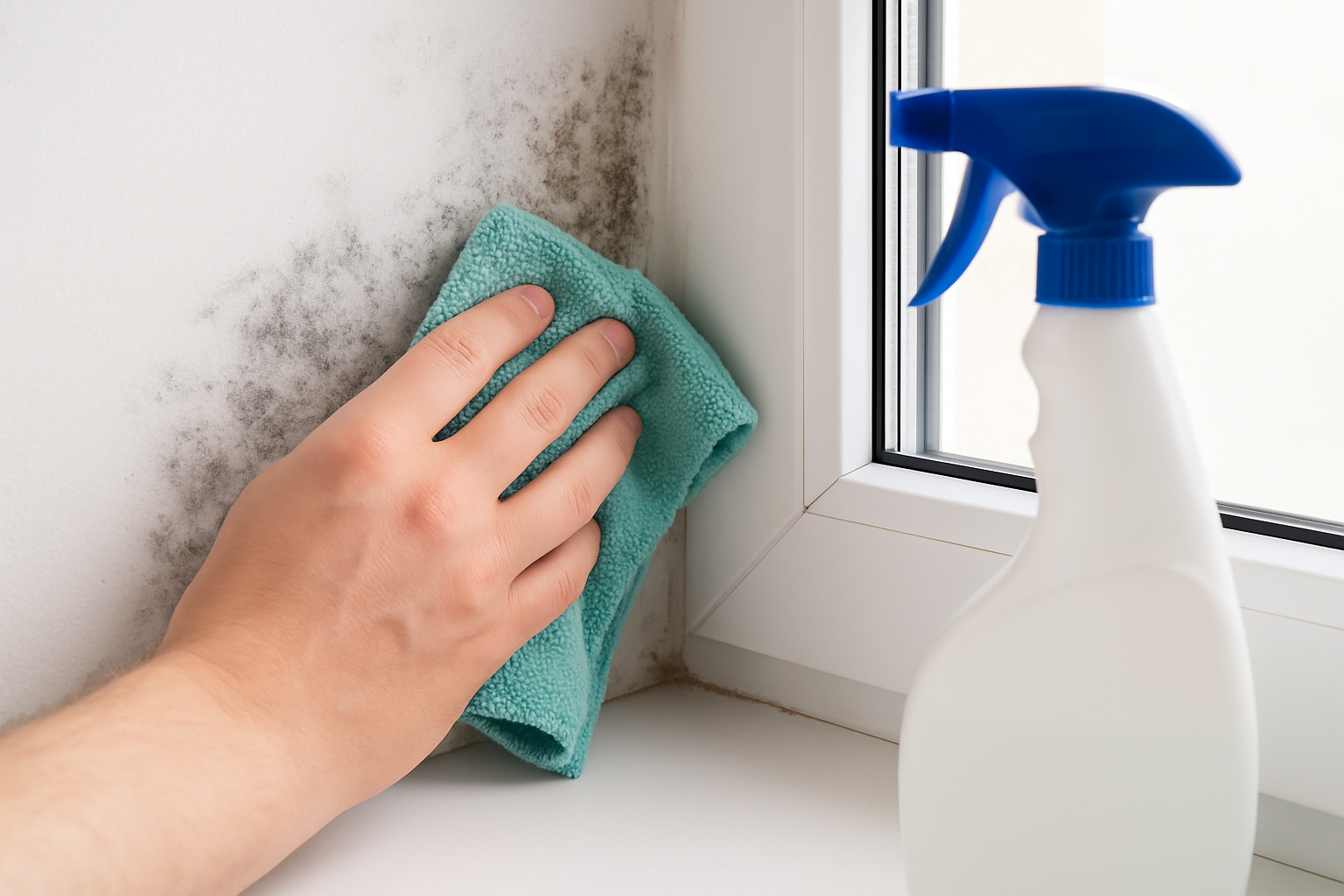
Mold can appear in various colors, such as black, white, orange, green, or purple. It may look like spots or fuzz, and it’s often accompanied by a musty smell. Common places to find mold include bathrooms, kitchens, basements, and any place where water damage or high humidity is present.
Health Symptoms
If you or your family members experience persistent coughing, sneezing, watery eyes, or skin rashes, mold might be the culprit. According to recent studies conducted in 2026, exposure to mold can exacerbate asthma symptoms in sensitive individuals and weaken the immune system over time (Allergy Institute, 2026).
Easy Ways to Get Rid of Mold
Step 1: Control Moisture Levels
Moisture control is the key to preventing and eliminating mold growth. Here are practical ways to manage humidity levels in your home:
- Use a dehumidifier in damp areas, aiming to keep indoor humidity below 60%.
- Ensure proper ventilation by using exhaust fans in kitchens and bathrooms or opening windows when weather permits.
- Repair leaks in roofs, walls, or plumbing as soon as they’re noticed.
Step 2: Clean Up Existing Mold Safely
For small areas affected by mold, you can clean them yourself using the following methods:
- Vinegar and Baking Soda: Mix one part vinegar with one part water, and spray it onto the moldy surface. Scrub with a brush and then wipe clean with a damp cloth. For tougher spots, sprinkle baking soda, scrub, and rinsing after.
- Commercial Cleaners: There are various EPA-approved mold removal products available in stores. These can be effective but ensure proper ventilation and protective gear, such as gloves and masks, during use.
- Bleach Solution: Only for non-porous surfaces, mix one cup of bleach with a gallon of water. Apply to the moldy area, let it sit for about 10 minutes, and then scrub thoroughly.
Step 3: Prevent Future Mold Problems
After you’ve effectively removed mold, preventing its return is crucial. Here are some tips for keeping your home mold-free:
- Improve air circulation by regularly opening windows and using fans.
- Keep gutters clean and directed away from the house to prevent water pooling around the foundation.
- Use mold-resistant products, especially in areas prone to moisture, such as mold-resistant drywall or paint.
When to Call in the Professionals
While DIY methods can be effective for small, manageable areas of mold, there are times when professional help is necessary. Mold that covers more than 10 square feet, is recurrent, or perhaps hidden behind walls or under floors should be dealt with by specialists. Professionals have the tools and expertise to ensure that mold is thoroughly eliminated and can advise on more extensive moisture control solutions.
According to data from the Environmental Protection Agency (EPA, 2026), professional remediation is recommended when mold damage is significant or affects sensitive individuals with compromised immune systems.
Conclusion: Maintaining a Mold-Free Home
In conclusion, while mold is a common household issue, controlling moisture and addressing mold growth promptly can help maintain a healthy living environment. By taking preventative measures and being vigilant about potential problem areas, you can protect both your home and health from the adverse effects of mold. For further information or assistance, consider consulting with a local environmental health professional or contacting the EPA for resources tailored to your specific needs.