Recognizing Stroke Warning Signs: Act Fast and Save Lives
When it comes to a stroke, every second counts. Knowing the early warning signs is one of the most powerful things you can do, and thankfully, they are often straightforward to spot if you know what to look for.
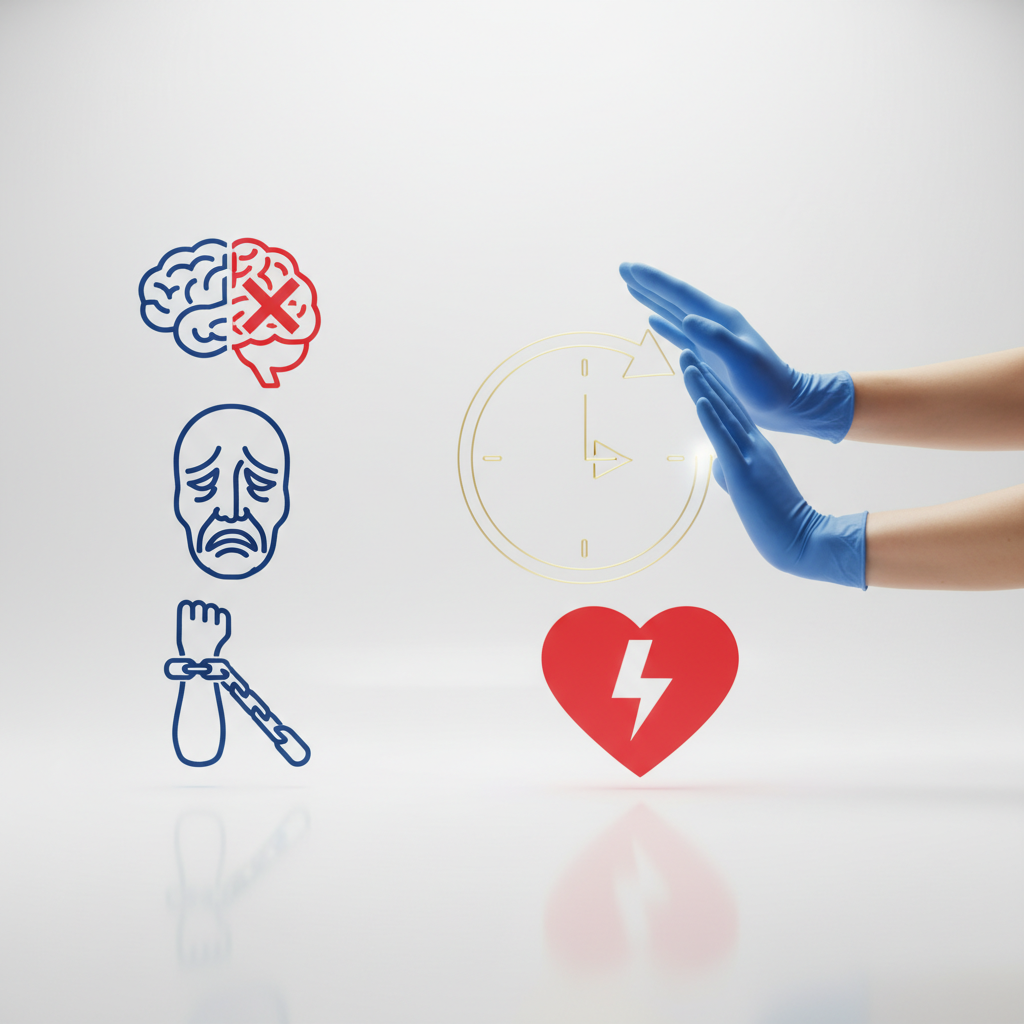
Stroke Early Warning Signs: Recognizing the Red Flags Before It's Too Late
A stroke is often called a "brain attack," and for good reason. It occurs when the blood supply to part of the brain is interrupted or reduced, preventing brain tissue from getting the oxygen and nutrients it needs. Brain cells can begin to die in minutes. This is why recognizing the early warning signs of a stroke and acting immediately is one of the most critical factors in determining the outcome. Knowing the signs can not only save a life but also significantly reduce the potential for long-term disability.
Medical professionals have developed simple yet powerful tools to help the public quickly identify a potential stroke. The most widely recognized of these is the F.A.S.T. acronym, which highlights the most common and easily observable symptoms. Learning these signs is an essential piece of first-aid knowledge for everyone.
The F.A.S.T. Acronym: Your First Line of Defense
The F.A.S.T. test is a simple way to remember and identify the most common symptoms of a stroke. If you see these signs, it's a medical emergency that requires immediate attention. Every second counts, and fast action can lead to better recovery.
F - Face Drooping
One of the most telling signs of a stroke is sudden facial weakness, which often presents as drooping on one side. This happens because the stroke is affecting the part of the brain that controls the muscles in the face. The drooping might be subtle or very pronounced. You may notice that one side of the mouth sags or that an eyelid is drooping significantly.
A simple way to check for this is to ask the person to smile. If the smile is uneven or lopsided, with one side of the mouth not moving as much as the other, this is a major red flag. This symptom is often one of the first and most obvious indicators that something is wrong, prompting you to check for other signs.
A - Arm Weakness
Sudden weakness or numbness in one arm is another classic stroke symptom. The person may complain that their arm feels heavy, dead, or that they can't control it properly. This weakness is almost always unilateral, meaning it affects only one side of the body. This is because a stroke typically impacts one hemisphere of the brain, which corresponds to the opposite side of the body.
To test for arm weakness, ask the person to raise both arms straight out in front of them and hold them there for ten seconds. If one arm drifts downward or they are unable to lift one arm at all, this is a strong indicator of a stroke. The same weakness can also affect a leg on the same side of the body.
S - Speech Difficulty
A stroke can significantly impact a person's ability to speak and understand language. This symptom can manifest in several ways. The person’s speech may become slurred and difficult to understand, as if they are intoxicated. They might also have trouble finding the right words or be unable to speak at all, a condition known as aphasia.
In addition to problems with producing speech, they may also struggle to understand what you are saying to them. They might seem confused or fail to respond appropriately to simple commands. A good test is to ask the person to repeat a simple sentence, such as "The sky is blue." If they are unable to repeat it correctly, jumble the words, or cannot speak, it is a clear sign of a neurological issue.
T - Time to Call 911
This is the most critical part of the acronym. If you observe any of the above signs—face drooping, arm weakness, or speech difficulty—it is time to call emergency services immediately. Do not wait to see if the symptoms improve or go away. Every minute that a stroke goes untreated, more brain cells are lost, which can lead to more severe and permanent damage.
When you call 911, be sure to tell the dispatcher that you suspect a stroke and describe the symptoms you are seeing. It's also incredibly helpful to note the exact time the first symptoms appeared. This information is vital for medical professionals, as it helps them determine which treatments, like clot-busting drugs, are appropriate and safe to administer.
Beyond F.A.S.T.: Other Critical Warning Signs of a Stroke
While the F.A.S.T. acronym covers the most prevalent symptoms, a stroke can present in other ways as well. Being aware of these additional signs can be just as crucial for getting timely help.
Sudden Numbness or Weakness
While arm weakness is part of F.A.S.T., this symptom can affect other parts of the body. A person might experience sudden numbness, weakness, or even complete paralysis in a leg, one side of the face, or an entire side of their body (hemiparesis). This symptom often comes on abruptly and without any obvious cause.
Sudden Confusion or Trouble Understanding
Beyond just speech, a stroke can cause sudden, profound confusion. The person may become disoriented, unsure of where they are, who they are, or what is happening. They might struggle to follow a simple conversation or seem lost and bewildered. This cognitive disruption is a sign that the brain's processing centers have been affected.
Sudden Trouble Seeing in One or Both Eyes
Vision problems can be a startling and often overlooked sign of a stroke. A person might experience a sudden blurring or blackening of vision in one or both eyes, or they may see double. It can feel like a curtain is being drawn over their field of vision. This occurs when the stroke impacts the parts of the brain responsible for processing visual information.
Sudden Trouble Walking, Dizziness, or Loss of Balance
A stroke that affects the cerebellum—the part of the brain that controls coordination—can cause a sudden loss of balance and trouble walking. The person might stumble, feel intensely dizzy (vertigo), or lose their coordination entirely. They may describe the feeling as the room spinning or being unable to walk in a straight line.
Sudden Severe Headache with No Known Cause
This is not a typical headache. A stroke can cause a sudden, excruciating headache that is often described as the "worst headache of my life." This "thunderclap headache" comes on in an instant and is exceptionally severe. It is a more common symptom of a hemorrhagic stroke, which involves bleeding in the brain.
Understanding What Happens During a Stroke
To fully appreciate the urgency of these warning signs, it helps to understand what is happening inside the brain during a stroke. A stroke is a cerebrovascular event, meaning it involves the blood vessels (vascular) that supply the brain (cerebro). There are two primary types of strokes, each with a different cause but the same devastating effect on brain tissue.
The most common type is an Ischemic Stroke, which accounts for about 87% of all cases. This occurs when a blood vessel supplying the brain becomes blocked, usually by a blood clot. This blockage cuts off the supply of oxygen-rich blood, and brain cells in the affected area begin to die. The second type is a Hemorrhagic Stroke, which happens when a weakened blood vessel in the brain ruptures and bleeds into the surrounding brain tissue. The blood accumulation creates pressure that damages brain cells, and the area supplied by that artery is also deprived of blood.
In both scenarios, the result is the same: brain cells are deprived of oxygen and start to die. The specific symptoms a person experiences—like arm weakness or speech difficulty—are directly related to the part of the brain that is being damaged. Because the brain cannot regenerate these cells, the damage can be permanent, leading to long-term disability. This is why the phrase "Time is Brain" is so prevalent in stroke care. The faster blood flow can be restored, the more brain function can be saved.
Common Questions About Stroke Symptoms
After learning the primary warning signs, many people have follow-up questions about the nuances of how a stroke can present. Understanding these can help you be even more prepared.
Can Stroke Symptoms Come and Go? (Transient Ischemic Attack - TIA)
Yes, stroke symptoms can appear and then disappear. This event is known as a Transient Ischemic Attack (TIA), often called a "mini-stroke." A TIA occurs when blood flow to the brain is blocked for a short period, typically less than five minutes. The symptoms of a TIA are identical to those of a full stroke—face drooping, arm weakness, speech difficulty—but they resolve on their own as the blockage clears.
While the symptoms may be temporary, a TIA is a major medical emergency. It serves as a powerful warning sign that a person is at extremely high risk for a major, full-blown stroke in the near future. Up to one-third of people who have a TIA will go on to have a more severe stroke within a year. It is impossible to tell the difference between a TIA and a stroke while the symptoms are happening, so you must treat it with the same urgency and call 911 immediately. Seeking medical evaluation after a TIA can help doctors identify the underlying cause and prescribe treatments to prevent a future stroke.
Are Stroke Symptoms Different in Men and Women?
Men and women share the same classic stroke symptoms outlined by the F.A.S.T. acronym. However, research has shown that women may be more likely to experience some non-traditional or more subtle symptoms in addition to the classic ones. These can sometimes lead to a delay in diagnosis because they are not as widely recognized as stroke indicators.
Some of the symptoms reported more frequently by women include sudden and generalized weakness, fatigue, disorientation, nausea or vomiting, and even hiccups that won't go away. Because these symptoms can be mistaken for other, less serious conditions, it is vital for both the public and medical professionals to be aware that a stroke can present atypically, especially in women. Regardless of the specific symptoms, if they are sudden and unexplained, a stroke should be considered a possibility.
Conclusion: Time is Brain
Recognizing the early warning signs of a stroke is a skill that can change a person's life. The F.A.S.T. acronym provides an easy-to-remember framework for spotting the most common symptoms, but it's also important to be aware of other signs like sudden vision problems, confusion, or a severe headache. The unifying factor across all these symptoms is their sudden onset.
When it comes to a stroke, there is no time for a "wait and see" approach. Immediate medical intervention is the single most important factor in improving outcomes. If you suspect that you or someone around you is having a stroke, your one and only job is to call 911 right away. Remembering that "Time is Brain" and acting without hesitation is the best way to help save brain function and, ultimately, save a life.