Recognizing the Early Signs of Hemorrhoids: What to Watch For
It’s easy to dismiss minor discomfort, itching, or swelling as temporary issues, but they are often the first subtle signs of hemorrhoids.
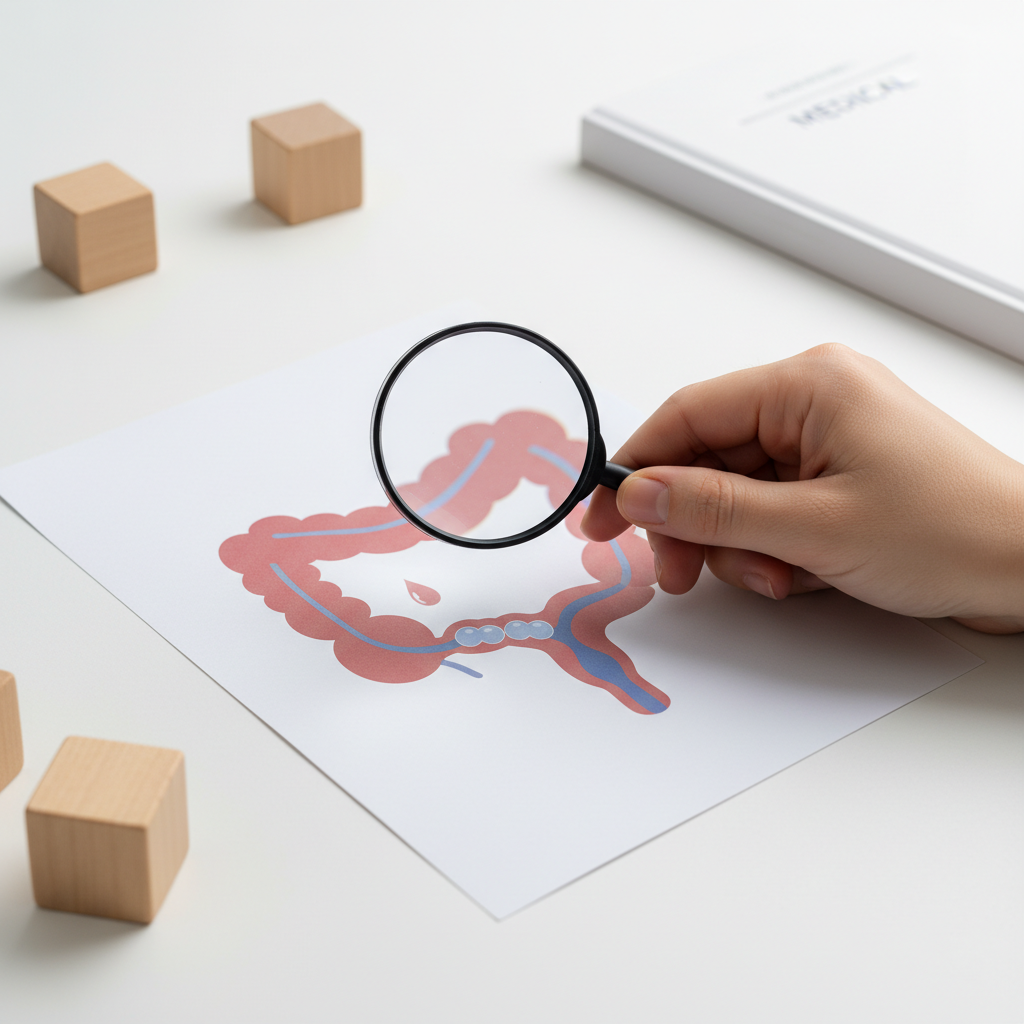
Key Symptoms to Watch For
Hemorrhoids are a common condition that many people experience at some point in their lives, but the topic is often surrounded by embarrassment, causing many to ignore the early signs. Recognizing these initial symptoms is crucial for managing the condition effectively and preventing it from becoming more severe. Below are the most common early indicators that you might be developing hemorrhoids.
1. Itching or Irritation in the Anal Region
One of the most frequent and earliest signs of hemorrhoids is persistent itching, also known as pruritus ani. This sensation can range from mildly annoying to intensely distracting. The itching is often caused by the swelling of the hemorrhoidal veins, which can lead to skin irritation. Small amounts of mucus or stool may also leak from the anus due to the hemorrhoid, further aggravating the sensitive skin in the area and contributing to the itchy feeling.
This irritation can be a sign of either internal or external hemorrhoids. With internal hemorrhoids, mucus can coat the stool as it passes, and some of this mucus may remain on the anal skin, causing itchiness. For external hemorrhoids, the swollen lump itself can make proper cleaning difficult, leading to trapped moisture and skin irritation. While many other conditions can cause anal itching, its new and persistent onset is a strong reason to consider hemorrhoids as a possible cause.
2. Painless Bleeding During Bowel Movements
Seeing blood after a bowel movement can be alarming, but when it's related to hemorrhoids, it's typically bright red and painless. You might notice small amounts of blood on the toilet paper after wiping, or you could see streaks of blood on the stool itself or drops in the toilet bowl. This occurs because the delicate surface of an internal hemorrhoid can be easily damaged by the friction of passing stool, causing it to bleed.
Because this bleeding is usually painless, it can be easy to overlook or dismiss. However, any instance of rectal bleeding should be evaluated by a healthcare professional. While hemorrhoids are a very common cause, it's essential to rule out other, more serious conditions that can also cause similar symptoms. Bright red blood indicates the bleeding is occurring near the rectum, which is characteristic of hemorrhoids.
3. Pain, Soreness, or General Discomfort
While many hemorrhoids, particularly internal ones, are not painful, some can cause significant discomfort. This is especially true for external hemorrhoids, which develop under the skin around the anus where there are more pain-sensing nerves. The discomfort can manifest as a dull ache, soreness, or a feeling of pressure, particularly when sitting for long periods. You might find certain chairs or surfaces particularly uncomfortable.
Pain can also become sharp and severe if a blood clot forms within an external hemorrhoid, a condition known as a thrombosed hemorrhoid. This results in a hard, painful lump that can be extremely sensitive to the touch. Any sharp or persistent pain in the anal area warrants attention, as it indicates a more significant issue that may require medical intervention to resolve.
4. A Lump or Swelling Near Your Anus
Feeling a small, soft lump or a swollen area around the anus is a classic sign of an external hemorrhoid. These lumps are essentially swollen veins and can vary in size. They may be sensitive to the touch and can make activities like sitting or cleaning the area feel awkward and uncomfortable. In some cases, you might only notice the swelling when you are wiping after a bowel movement.
Internal hemorrhoids can also protrude through the anal opening, a condition known as a prolapsed hemorrhoid. This can feel like a soft, grape-like bulge emerging from the anus, especially after straining during a bowel movement. Often, a prolapsed hemorrhoid will retract back inside on its own, but sometimes it may need to be gently pushed back into place. The presence of any new lump or swelling should not be ignored.
5. A Feeling of Fullness or Incomplete Evacuation
Another subtle but important sign, often associated with larger internal hemorrhoids, is the sensation that you haven't completely emptied your bowels after a trip to the bathroom. The swollen hemorrhoid tissue inside the rectum can create a feeling of pressure or fullness, tricking your brain into thinking that there is still stool left to pass. This can be frustrating and may lead to further straining on the toilet.
This prolonged straining is counterproductive, as it increases the pressure on the rectal veins and can make existing hemorrhoids worse or contribute to the development of new ones. If you consistently feel like your bowel movements are incomplete, it’s a sign that something is interfering with the normal process, and an internal hemorrhoid is a likely culprit.