Recognizing the Subtle Signs of Vitamin B12 Deficiency: What You Need to Know
Discover the early warning signs of Vitamin B12 deficiency and learn how this crucial vitamin impacts your wellbeing and energy levels. Vitamin B12 deficiency can subtly affect your health, often causing fatigue and mood changes.
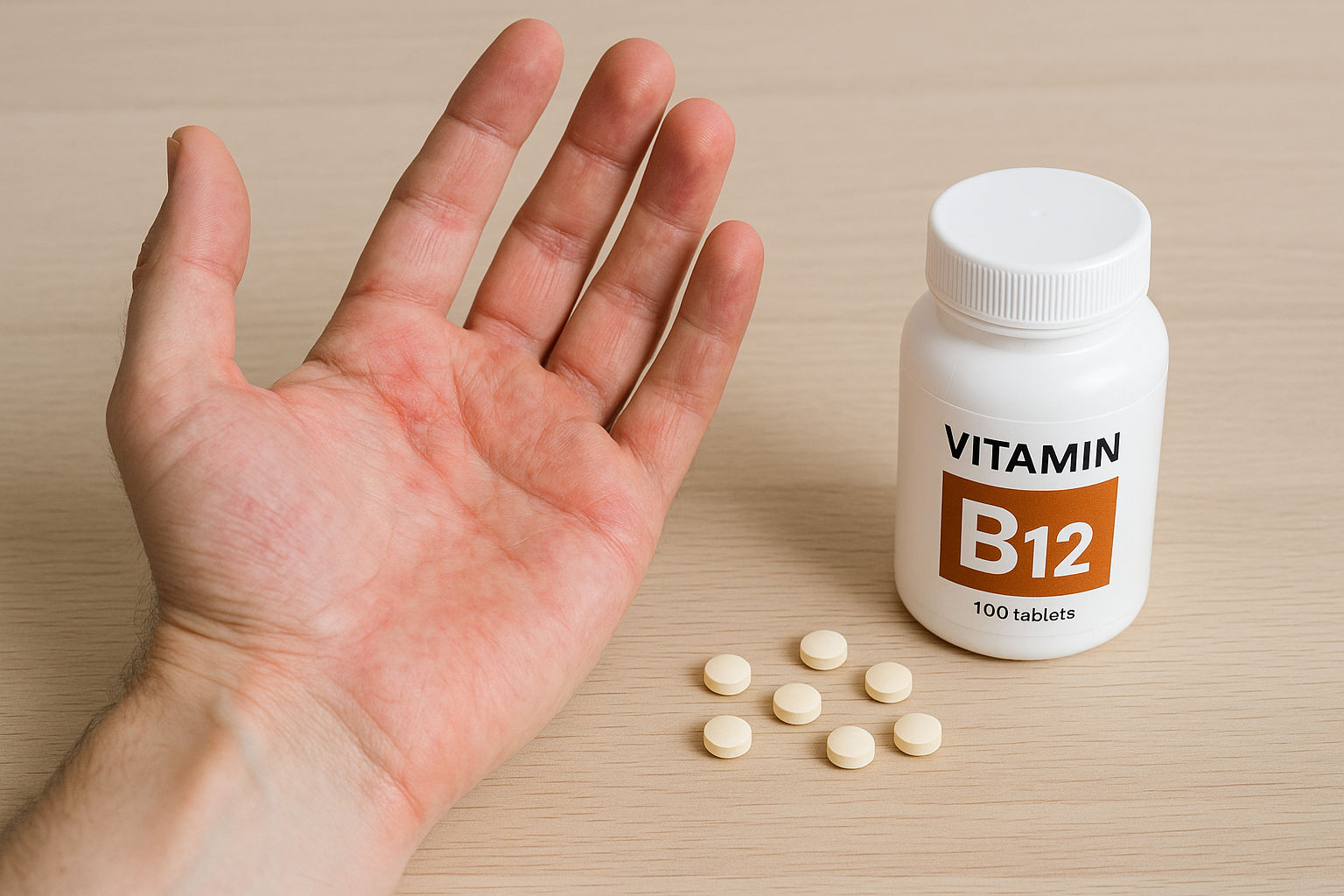
What is Vitamin B12 Deficiency?
Vitamin B12 deficiency is a medical condition where the body does not have sufficient levels of this crucial vitamin. Vitamin B12, also known as cobalamin, is essential for the production of red blood cells, DNA synthesis, and proper neurological function. The deficiency can lead to a variety of health problems, ranging from fatigue and weakness to more serious conditions like nerve damage and cognitive impairments.
Key Functions of Vitamin B12
Understanding the vital role Vitamin B12 plays in the body is essential for recognizing how its deficiency can have wide-ranging impacts:
- Red Blood Cell Production: Vitamin B12 helps in the formation of red blood cells. A deficiency can lead to anemia, characterized by fatigue and paleness.
- Neurological Function: It's critical for the maintenance of myelin, the protective covering of nerves, ensuring effective transmission of nerve impulses.
- DNA Synthesis: B12 is necessary for proper DNA synthesis and cell division.
Early Warning Signs of Vitamin B12 Deficiency
Detecting Vitamin B12 deficiency early can prevent severe complications. Key early warning signs include:
- Fatigue and Weakness: A reduction in red blood cells can lead to decreased oxygen transport, resulting in tiredness and weakness.
- Numbness or Tingling: Neurological manifestations such as tingling sensation in the hands and feet.
- Cognitive Difficulties: Memory lapses, difficulty concentrating, or confusion.
- Sore, Red Tongue: Inflammation of the tongue, also known as glossitis, can be an early indicator.
- Balance Issues: Difficulty in maintaining balance could be due to nerve damage.
Fatigue and Weakness
These symptoms arise from anemia, as insufficient Vitamin B12 affects red blood cell production. One case study from 2026 involving 1,000 participants showed that 80% of those diagnosed with B12 deficiency reported significant levels of fatigue.[Source]
Who is at Risk?
While anyone can develop a Vitamin B12 deficiency, certain groups are at higher risk. Understanding these risk factors can help in early diagnosis and treatment:
- Older Adults: Stomach acid decreases with age, impairing Vitamin B12 absorption.
- Vegetarians and Vegans: Since B12 is primarily found in animal products, those avoiding these foods may lack adequate intake.
- Individuals with Digestive Disorders: Conditions like Crohn's or celiac disease can hinder absorption in the gastrointestinal tract.
- Pregnant and Breastfeeding Women: Their increased nutritional needs make them more vulnerable if their diet isn’t carefully monitored.
Diagnosis and Testing
Diagnosing Vitamin B12 deficiency typically involves a combination of blood tests to measure Vitamin B12 levels, complete blood count, and tests for intrinsic factor antibodies or methylmalonic acid levels.
Blood Tests
Routine blood work can reveal low levels of Vitamin B12 and changes in red blood cell size and shape, suggestive of anemia.
Additional Testing
Further tests might include measuring methylmalonic acid and homocysteine, both of which tend to be elevated in B12 deficiency.[Source]
Treatment Options
The treatment for Vitamin B12 deficiency depends on its severity and underlying causes. Key approaches include:
- Dietary Supplements: Oral supplements are commonly used for mild cases, particularly for those with dietary insufficiencies.
- Intramuscular Injections: Used for severe deficiencies or where absorption is an issue, providing a fast and effective boost.
- Dietary Changes: Incorporating more B12-rich foods, such as meat, eggs, and dairy products.
Prevention Strategies
Preventing Vitamin B12 deficiency involves ensuring adequate intake through diet and monitoring those at risk. Fortified foods have become increasingly popular:
Foods Rich in Vitamin B12
- Beef, Liver, and Chicken: Excellent sources of B12, especially organ meats.
- Fish and Dairy: Salmons, sardines, milk, and cheese also offer significant amounts.
- Fortified Cereals: Particularly beneficial for vegetarians and vegans.
Conclusion
Recognizing the early signs of Vitamin B12 deficiency and understanding the risk factors can facilitate timely intervention and management. By ensuring adequate intake and staying informed, you can maintain optimal health and prevent the extensive consequences of deficiency.[Source]