Recognizing When Your Dog Needs a Vet Visit for Heart Disease Symptoms
Noticing a change in your dog's energy or a new cough can be worrying, and it’s hard to know if it’s a minor issue or a sign of something serious like heart disease. We'll break down the key symptoms to watch for, from subtle shifts in breathing to more obvious red flags.
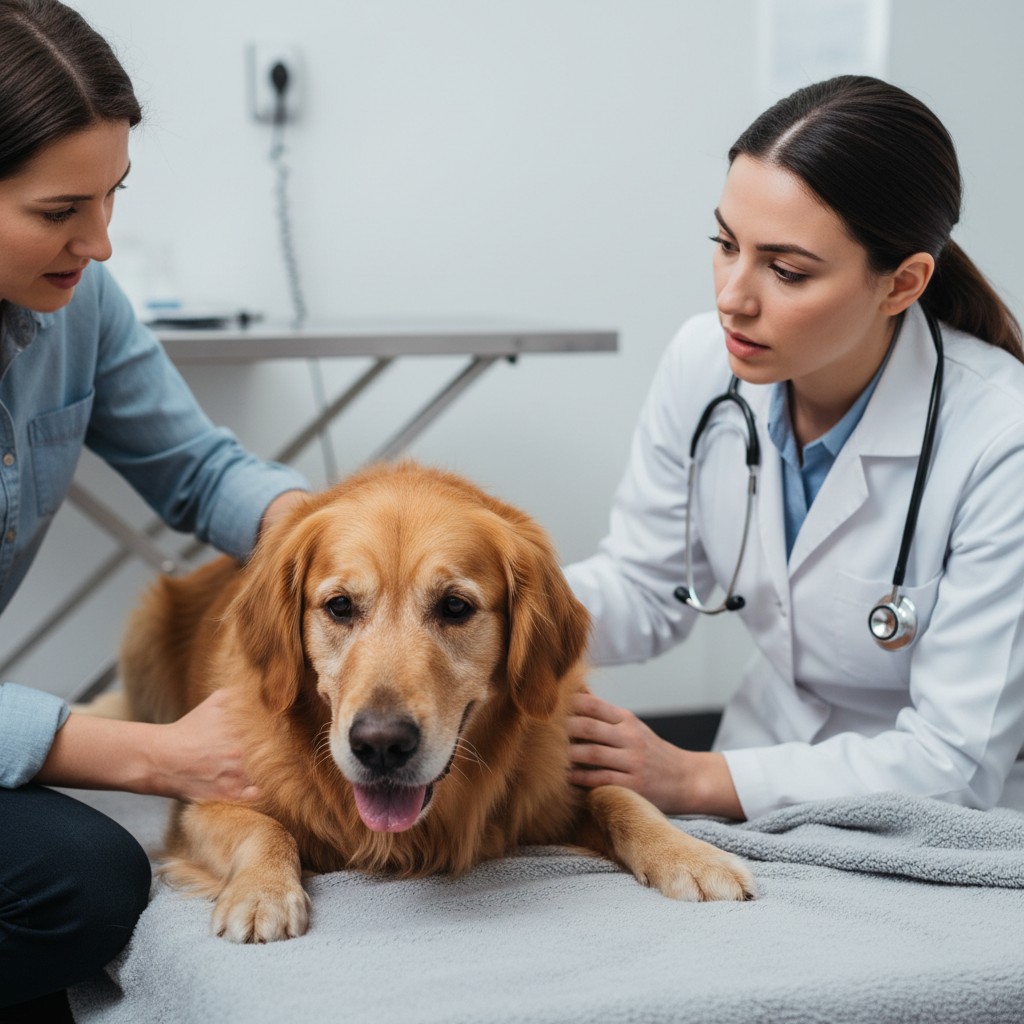
As a dog owner, one of the most frightening prospects is seeing your beloved companion struggle with a serious health issue like heart disease. The heart is a complex organ, and its gradual decline can produce symptoms that are sometimes subtle and easy to dismiss as normal signs of aging. However, recognizing these signs early is absolutely critical for managing the condition and improving your dog's quality of life. Knowing when a symptom is just a minor issue versus a potential red flag for cardiac trouble can make all the difference.
This guide is designed to help you identify the key warning signs of heart disease in dogs. If you notice any of these symptoms, especially if they appear suddenly or worsen over time, it's essential to schedule an appointment with your veterinarian for a thorough examination. Prompt diagnosis and intervention are the best tools you have to support your dog's heart health.
Key Heart Disease Symptoms That Warrant a Vet Visit
The following symptoms are common indicators that a dog may be experiencing cardiovascular distress. While they can be caused by other conditions, their connection to heart disease means they should never be ignored.
1. Persistent Coughing
A persistent, dry, hacking cough that worsens at night, upon waking, or after exercise is one of the most classic signs of heart disease in dogs, particularly congestive heart failure (CHF). This isn't a typical "kennel cough" or a simple clearing of the throat. This type of cough, often described as a "honking" sound, occurs because an enlarged heart can press on the airways, specifically the trachea and bronchi, causing irritation. Furthermore, in cases of CHF, fluid can accumulate in the lungs (pulmonary edema), which triggers a cough reflex as the body tries to clear the fluid.
If your dog develops a new cough that lasts for more than a couple of days, or if an existing cough changes in sound or frequency, it's a clear signal to see your vet. It's especially urgent if the cough is accompanied by any difficulty breathing or a bluish tint to the gums, as these are signs of a medical emergency.
2. Difficulty Breathing or Shortness of Breath
Difficulty breathing, medically known as dyspnea, is a serious symptom. You might notice your dog is breathing more rapidly than usual, even while at rest (a normal resting respiratory rate for a dog is typically under 30-35 breaths per minute). They may also engage in open-mouthed breathing or panting when they haven't been exercising, or you might see their stomach muscles working hard with each breath. This labored breathing is often a direct result of fluid building up in or around the lungs, which prevents them from expanding fully.
This is not a "wait and see" symptom. Any significant change in your dog's breathing pattern, especially if it comes on suddenly or is associated with weakness or distress, requires immediate veterinary attention. Your vet can determine if the cause is cardiac-related and provide oxygen support if necessary.
3. Reduced Exercise Tolerance and Lethargy
A dog with a compromised heart cannot pump oxygenated blood to the rest of the body as efficiently as it should. One of the first and most noticeable effects of this is a dramatic decrease in stamina and energy levels. You may find that your once-playful dog now tires easily on walks, is reluctant to play fetch, or prefers to lie down rather than engage in favorite activities. They might lag behind on walks or even stop and refuse to go further.
While it's easy to attribute this slowing down to old age, a sudden or significant drop in energy is a major red flag. If your dog’s endurance has changed noticeably over a period of weeks or months, it’s a strong reason to consult your veterinarian. They can help distinguish between normal aging and a potential underlying medical condition like heart disease.
4. Fainting or Collapsing (Syncope)
Syncope, the medical term for fainting or collapsing, is an alarming symptom that should always be treated as an emergency. In the context of heart disease, a fainting spell can occur when the heart fails to pump enough blood to the brain, causing a temporary loss of consciousness. This can be triggered by excitement, exertion, or even a severe coughing fit. The dog may suddenly become wobbly, fall over, and be unresponsive for a few seconds to a minute before recovering as if nothing happened.
Even a single fainting episode is a critical reason to see a vet immediately. While other conditions can cause syncope, its link to serious cardiac arrhythmias (irregular heartbeats) or advanced heart failure makes it a top-priority symptom that requires urgent evaluation.
5. Swollen Abdomen (Ascites)
When the right side of the heart begins to fail, it can no longer effectively pump blood forward. This causes blood to back up in the veins, increasing pressure and forcing fluid to leak out into the abdominal cavity. This fluid accumulation is called ascites, and it results in a distinctly swollen, pot-bellied appearance. The swelling is typically soft and fluid-like, not hard or firm. A dog with ascites may also experience a loss of appetite and weight loss in their muscles despite their growing belly.
A swollen abdomen is a sign of advanced heart disease and requires prompt veterinary care. Your vet will need to perform tests, such as an ultrasound, to confirm the presence of fluid and determine its underlying cause.
6. Changes in Behavior
Dogs with heart disease often feel unwell, which can manifest as changes in their typical behavior. They may become withdrawn, restless, or anxious, especially at night. Some dogs may seem depressed or lose interest in interacting with family members. This restlessness can be due to discomfort or difficulty getting enough oxygen while lying down, causing them to pace or constantly change positions to find a way to breathe more easily.
If your dog's personality or daily routines have changed without an obvious cause, it's worth discussing with your vet. While behavior changes can be linked to many things, they can also be a subtle clue that your dog is experiencing physical discomfort from an undiagnosed condition like heart disease.