Safeguard Your Earnings: The Benefits of Short Term Disability Insurance
Short term disability insurance offers a safety net when life throws unexpected challenges your way. Protect your income during those critical periods when illness or injury prevents you from working.
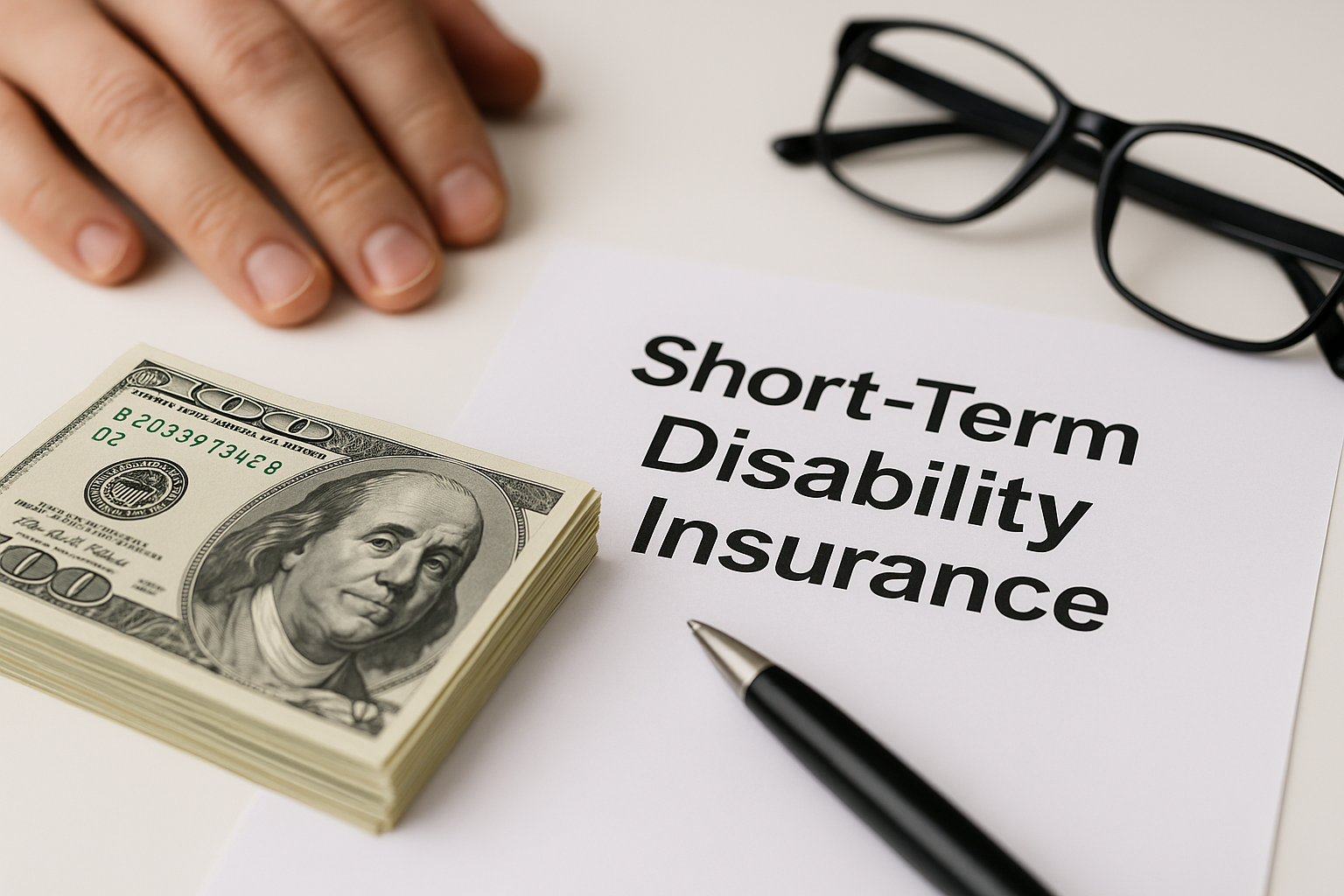
Understanding Short Term Disability Insurance
Short Term Disability Insurance (STDI) is a safety net that provides financial support if you're unable to work due to a temporary disability caused by illness or injury. In 2026, with fluctuating economic conditions and the rising cost of living, understanding how to protect your income has become more important than ever. This form of insurance ensures a portion of your salary continues to come in when you're sidelined due to health issues.
What is Short Term Disability Insurance?
Short Term Disability Insurance is a type of insurance coverage that replaces part of your income for a short period if you cannot perform your job because of a covered illness or injury. The typical coverage period can range from several weeks to a year, depending on the policy.
- Coverage Duration: Usually between three to six months, but some policies may extend up to a year.
- Benefit Amount: Benefits typically replace 40-70% of your annual salary, ensuring you can meet essential expenses while recovering.
- Eligibility: Policies typically require employees to have been working at their current job for a certain period and exclude pre-existing conditions for a specified waiting period.
Why is It Important?
In recent years, the importance of STDI has become more evident. According to the Social Security Administration, one in four of today’s 20-year-olds will experience a disability before they retire. Considering this, having STDI reduces the financial stress during an unexpected health downturn, letting individuals focus on recovery without worrying about income loss.
How Does STDI Work?
Short Term Disability Insurance works by regularly paying premiums to an insurance provider. If an injury or illness prevents you from working, you file a claim with a medical certification from your healthcare provider. Once approved, you begin receiving benefits following a short waiting period, usually a week from the onset of disability.
Steps to Secure Short Term Disability Coverage
Acquiring STDI involves understanding your needs, researching options, and applying for a policy that best suits your lifestyle and income level. Here are some crucial steps:
Evaluate Your Income Needs
First, consider the amount of income you need to cover essential expenses such as rent or mortgage, utilities, and groceries. Understanding your financial needs will help you select a policy that provides adequate coverage.
Research Insurance Providers
Look for reputable insurance companies that offer comprehensive disability insurance. Check their claim approval process, customer service reputation, and financial stability. Resources like the Better Business Bureau and industry-specific reviews can provide insights into insurers’ reliability and effectiveness.
Consult an Insurance Advisor
Seek guidance from an insurance advisor who can provide detailed information on STDI plans and help you navigate complex policy terms. An advisor can offer personalized recommendations based on your specific circumstances and future financial goals.
Real-World Examples of STDI
Let’s explore a couple of scenarios that illustrate the importance of STDI:
Example 1: Recovering from Surgery
Jane, a marketing executive, undergoes a major surgery requiring a three-month recovery period. Thanks to her STDI plan replacing 60% of her income, Jane can afford her monthly bills without resorting to her savings.
Example 2: Managing a Serious Illness
John, a freelance designer, is diagnosed with a chronic illness that periodically prevents him from working full-time. His STDI coverage ensures he can manage his condition without compromising his financial stability, allowing him to work part-time and focus on his health.
Recent Data and Trends in STDI
The demand for STDI continues to grow as awareness increases. A 2026 report from Statista indicates a steady rise in employer-sponsored STDI plans, with 65% of mid-sized companies offering some form of short-term disability benefits, up from 58% in 2023. Furthermore, industry studies reflect that only 30% of American adults have any disability coverage, underscoring an ongoing need for greater enrollment and education efforts.
For more information on disability insurance trends, visit these informative sources: Statista and Social Security Administration.
Conclusion
Protecting your income through Short Term Disability Insurance is a practical step in safeguarding your financial well-being against unforeseen health challenges. In an unpredictable world, being prepared can make all the difference, affording you the financial security to prioritize healing and return to normalcy with confidence. Assess your needs, explore your options, and take proactive steps toward securing a stable financial future.