Save Money Instantly: Unplug These Bedroom Devices to Cut Your Electricity Bill
Looking to cut down on your energy costs? Discover how simply unplugging certain bedroom devices can make a difference in your monthly bill. While not a cure-all, this method offers a practical start towards savings.
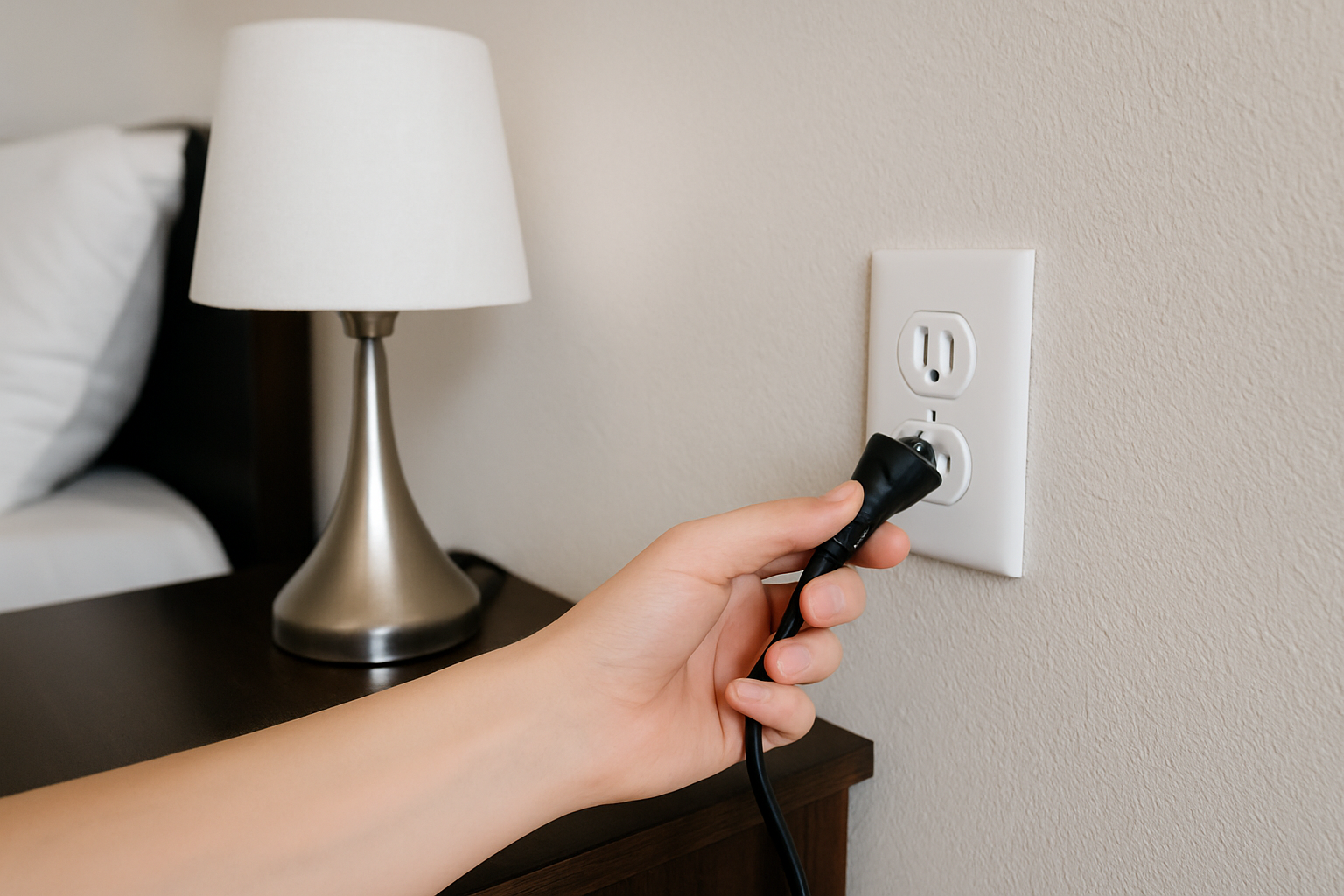
Why Unplugging Bedroom Devices Matters
In today's world, energy efficiency is more critical than ever. With rising electricity costs and a growing awareness of our environmental footprint, many people are seeking ways to reduce their home energy consumption. One simple yet effective strategy is to unplug devices in the bedroom when they're not in use. This not only reduces your electricity bill but also helps to conserve energy on a larger scale.
According to the U.S. Department of Energy, the average American household has about 40 devices plugged in at any given time, and many of these are in standby mode, drawing power without active use. This phenomenon is often referred to as "phantom load" or "vampire power," which can account for up to 10% of a home's total electricity usage. By addressing this, you can effectively lower your energy expenses and contribute to environmental conservation.
How Much Can You Save by Unplugging Devices?
The savings from unplugging devices can vary based on several factors, including the number of devices, their power consumption, and your local electricity rates. Generally, reducing phantom loads can save anywhere from $100 to $200 annually for an average household. An article from Energy Saver highlights that properly managing these energy drains can lead to significant long-term savings.
To calculate potential savings more precisely, you might want to look at your devices’ power ratings, measure how much electricity they use in standby mode, and then multiply this by the duration of standby use. Most devices have power ratings on a label or in the user manual.
Devices to Unplug in Your Bedroom
Not all devices contribute equally to your electricity bill when idle. Here’s a list of common bedroom devices that you might consider unplugging:
- Chargers: Phone, tablet, and laptop chargers continue to draw power even when not connected to a device.
- Televisions: Modern TVs can use a substantial amount of power in standby mode due to continuous internet and software updates.
- Game Consoles: Like TVs, consoles often remain connected to the internet, resulting in continuous power usage.
- Lamps with Smart Bulbs: While smart bulbs are energy-efficient, they often remain connected to the wireless network, consuming energy.
- Alarm Clocks: Digital models can pull power through nightly use and during any connected activity.
Steps to Manage and Reduce Energy Consumption
1. Identify the Main Culprits
Conduct an energy audit in your bedroom. Identify which devices are used most and the potential they have for drawing power when idle. You can use a smart outlet or an electricity usage monitor to understand which devices consume more power.
2. Use Power Strips
Power strips are a practical solution for managing multiple devices. Simply switch off the power strip when you leave the house or go to sleep. Some advanced models, such as smart power strips, even allow you to automate this process or control it remotely via an app.
3. Opt for Energy-Efficient Devices
Consider replacing older devices with new Energy Star-rated models, which are designed to minimize energy usage both in operation and in standby mode.
The Energy Star program provides guidelines and certifications for energy-efficient electronics that are worth considering if you are planning to upgrade any devices.
4. Educate Your Household
Raising awareness among household members about the cost of phantom loads can encourage everyone to develop good habits, such as unplugging devices when they're not in use.
Future Trends in Energy-Saving Technology
As technology continues to advance, innovations such as smart home systems and improvements in battery technology promise further reductions in energy consumption. In 2026, innovations such as advanced smart grid systems and AI-driven energy management solutions are spearheading changes in how we approach home electricity usage.
These systems can manage electrical loads and adjust usage patterns based on real-time data, identifying peak times for unplugging or shutting off devices automatically. Keeping ahead of these advancements will not only save you money but also support an eco-friendlier lifestyle.
Conclusion
Unplugging bedroom devices might seem like a small change, but collectively, such efforts can lead to substantial energy savings and environmental improvements. By understanding the implications of standby power, making informed device choices, and utilizing management tools, the impact of your actions can extend from your electricity bill to the world beyond.