Simple Tips for Seniors to Nurture Healthy, Radiant Skin as They Age
Discover gentle tips for maintaining healthy aging skin as we explore the best practices seniors can adopt in their skincare routines. While achieving youthful skin might not be guaranteed, incorporating these habits can promote wellness and enhance the look and feel of aging skin.
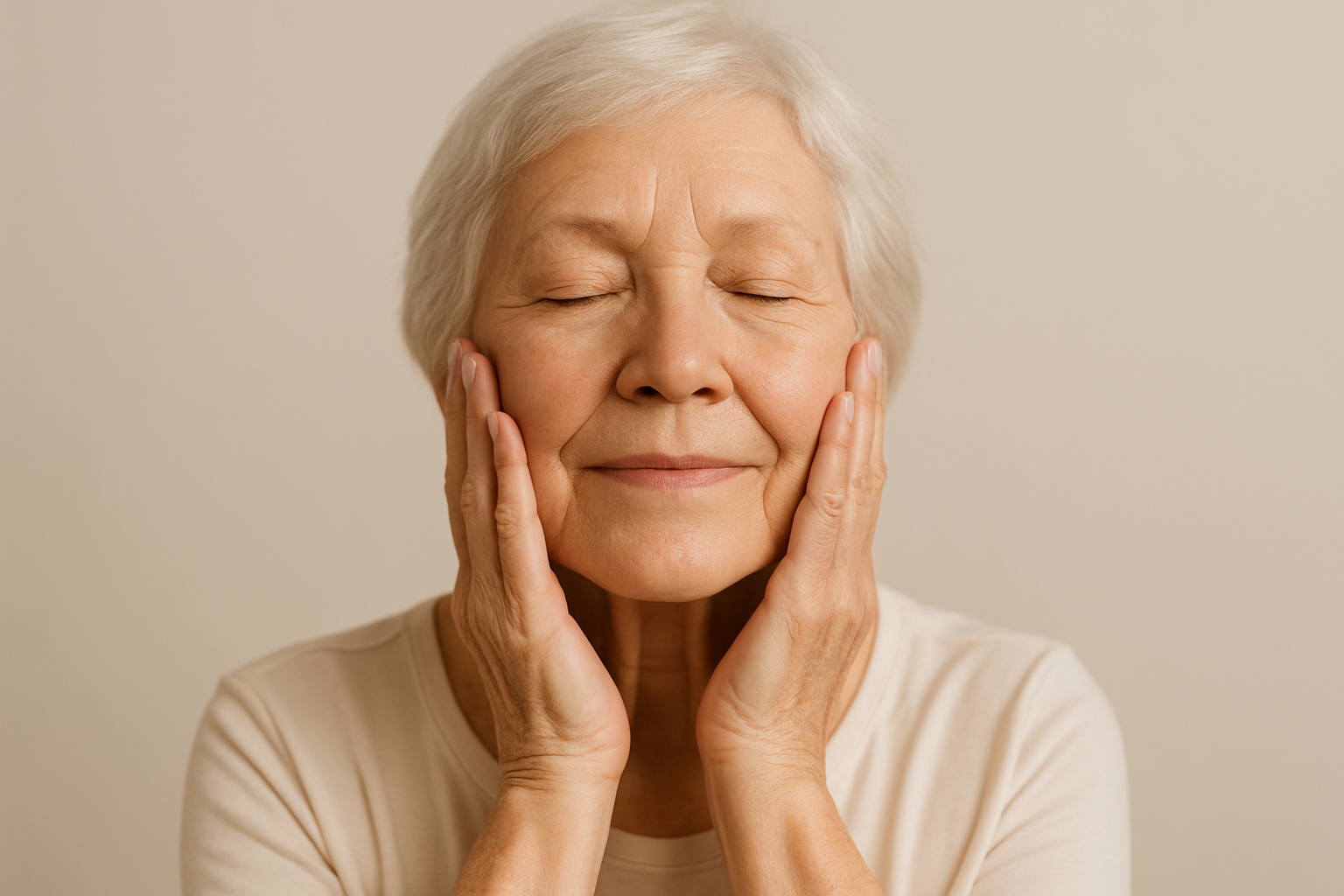
Understanding the Basics of Aging Skin
Aging is a natural process, and our skin is one of the first indicators of how well we are navigating it. As we grow older, several physiological changes occur, including collagen loss, reduced elasticity, and decreased cell turnover. For seniors, maintaining healthy skin requires a deeper understanding of these changes and how to effectively address them.
According to the American Academy of Dermatology, naturally produced collagen decreases by around 1% per year after age 20. This decline causes the skin to become thinner, less firm, and more prone to wrinkles and sagging. Beyond intrinsic aging, external factors such as sun exposure, pollution, and lifestyle choices like smoking can exacerbate skin aging.
The Importance of Sun Protection
One of the most crucial aspects of maintaining healthy aging skin is protecting it from the sun’s harmful ultraviolet (UV) rays. Prolonged sun exposure not only accelerates the aging process but also increases the risk of skin cancer, a particular concern for seniors who may have spent decades under the sun.
- Wear broad-spectrum sunscreen daily with an SPF of at least 30, even on cloudy days.
- Use protective clothing, such as wide-brimmed hats and long sleeves, when outdoors.
- Seek shade during the sun's peak hours, generally from 10 a.m. to 4 p.m.
Recent studies highlight that older adults often apply less sunscreen than needed, missing critical areas like the ears, neck, and hands, which can lead to increased susceptibility to sun damage.
Hydration and Nutrition: Building Blocks for Healthy Skin
Healthy skin from the inside out begins with proper hydration and nutrition. Dehydration is a common issue among seniors, and it can directly affect the skin's health, making it appear dull and dry.
- Drink plenty of water daily; the National Institute on Aging recommends around 3.7 liters for men and 2.7 liters for women, although individual needs may vary.
- Incorporate foods rich in essential fatty acids, such as salmon, avocado, and nuts, to promote skin elasticity and barrier function.
- Consume a variety of fruits and vegetables for their antioxidants, which combat free radical damage.
Research in 2026 reaffirms the benefits of a Mediterranean diet, rich in omega-3 fatty acids and antioxidants, as particularly effective in slowing the signs of aging.
Skin Care Routine Tips for Seniors
Having a tailored skincare routine helps counteract the effects of aging. Here’s how seniors can adapt their skincare practices:
Cleansing
Gentle cleansing is essential to remove impurities without stripping the skin of its natural oils. Opt for a hydrating cleanser that accommodates sensitive, aging skin.
Moisturizing
As the skin's lipid barrier weakens, moisturizing becomes critical. Consider a cream or ointment rather than a lotion and look for products containing hyaluronic acid or ceramides, known for their hydrating properties.
Exfoliating
Exfoliation is necessary but should be done cautiously. Seniors should opt for product-based exfoliants, like those containing alpha hydroxy acids (AHAs), to remove dead skin cells gently.
Consulting Healthcare Professionals
Regular consultations with dermatologists or geriatric specialists can ensure proactive skin health maintenance. These professionals can provide personalized advice and early detection of skin conditions that may require treatment.
- Schedule annual skin examinations for early detection of conditions like skin cancer.
- Discuss any new or changing skin lesions with a healthcare provider immediately.
A 2026 report from the Skin Health Alliance emphasizes the role of professional skin assessments in prolonging healthy skin aging.
Conclusion: Embracing the Journey of Healthy Aging Skin
Maintaining healthy aging skin is an achievable goal with the right knowledge and habits. By taking action to protect and nurture their skin, seniors can enjoy not only a vibrant appearance but also the confidence and well-being that come with it. From sun protection to consistent skincare routines and professional check-ups, every step contributes to a healthier and happier future.