Simple Tweaks to Slash Your Energy Costs: 2026 Update
Discover 9 tiny changes that could potentially help reduce your electric bill this year. Our 2026 edition highlights simple yet effective ways to enhance energy efficiency around your home.
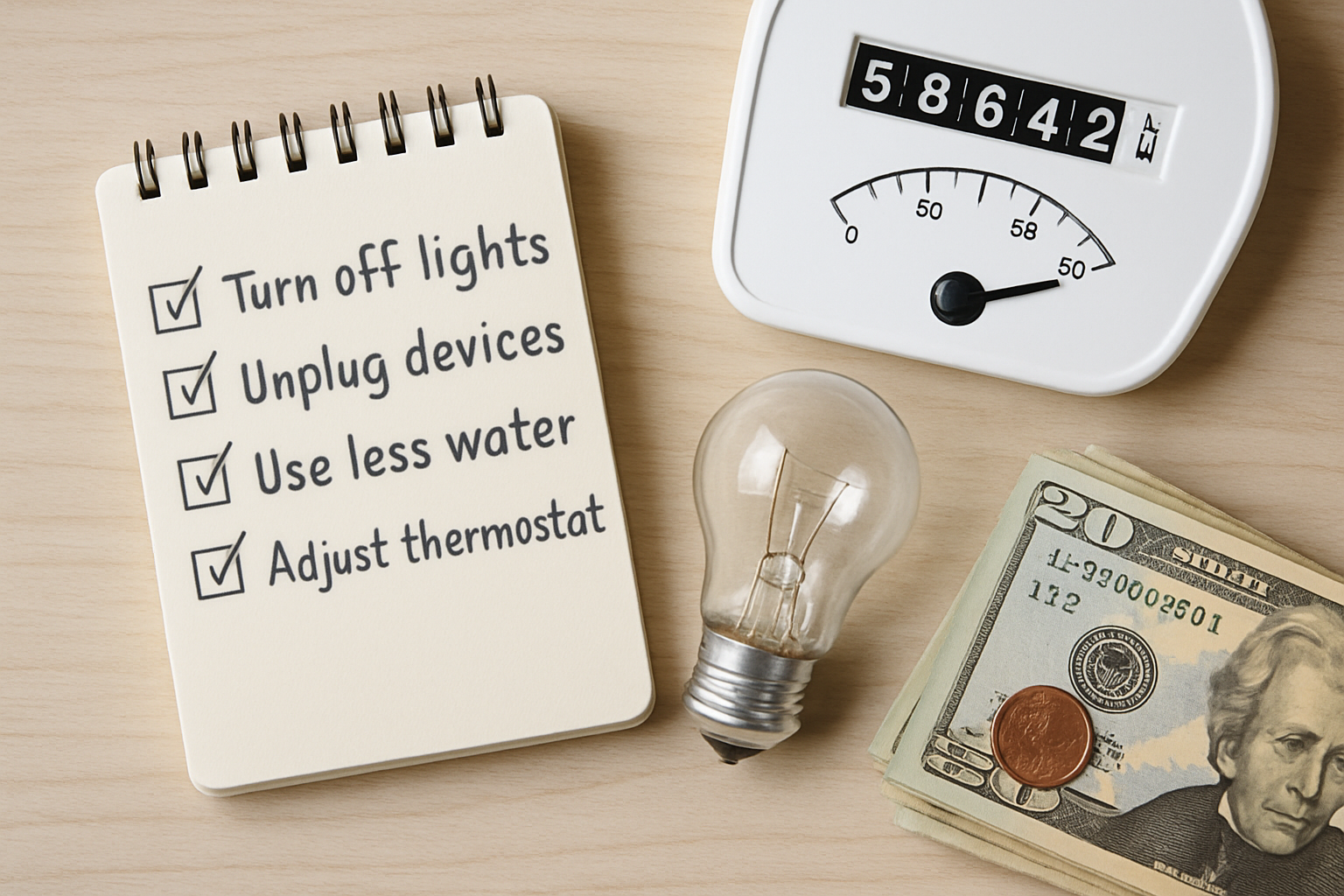
Understanding Your Electricity Bill
As electricity costs continue to rise globally, individuals and families are seeking effective ways to cut down their utility expenses. In 2026, the push for sustainability and energy efficiency remains more relevant than ever. Understanding your electricity bill is the first step in managing and reducing it. Your bill is primarily composed of usage charges, calculated on the kilowatt-hours (kWh) consumed, and fixed charges that may include grid maintenance and service fees.
To detect where savings can be made, you need to identify key usage points in your household — the appliances and behaviors contributing most significantly to your electricity consumption. This allows for targeted and effective action.
9 Tiny Changes That Can Drop Your Electric Bill
Making small adjustments can have a larger impact than you might realize. Here are nine minor changes that can lead to significant savings:
1. Switch to LED Lighting
Lighting accounts for about 15% of the electricity bills in an average home. By replacing incandescent bulbs with LED alternatives, you can reduce energy usage significantly. LEDs use approximately 75% less energy and last 25 times longer than traditional incandescent lighting. In 2026, LED bulb prices have decreased, making them more accessible than ever before.
2. Install Smart Thermostats
Thermostats play a crucial role in home energy consumption. Smart thermostats, which adapt to your schedule and adjust heating and cooling settings automatically, can save up to 10%-20% on heating and cooling costs. According to a 2026 study by the Environmental Protection Agency (EPA), upgrading to a smart thermostat is one of the most impactful efficiency improvements.
3. Unplug Devices Not in Use
Devices left plugged in, even when turned off, can consume energy — a phenomenon known as "phantom load". It's estimated that unplugging devices when they are not in use could save the average household up to $100 per year. Consider using power strips to easily disconnect multiple devices at once.
4. Use Energy-Efficient Appliances
Modern appliances often come with energy efficiency ratings — purchasing those with higher ratings can lead to reduced energy consumption. The 2026 models of refrigerators, washers, and dishwashers, for instance, use about 20-50% less energy compared to standard models from a decade ago. The initial investment might be higher, but the savings over time justify the cost.
5. Optimize Water Heating
Water heating is typically the second largest energy expense in your home. Lowering your water heater thermostat to 120°F (49°C) can save on energy while still providing hot water that is safe and effective for daily use. Additionally, insulating the water heater and nearby pipes maximizes efficiency.
6. Harness Solar Power
Using solar power for homes has advanced significantly by 2026. Even small-scale setups like solar water heaters or solar panels can dramatically reduce electricity bills by minimizing dependence on the grid. Solar panels are now 20% more efficient than they were in 2020, and government incentives can alleviate initial setup costs.
7. Schedule Energy-Intensive Tasks
Electricity rates can vary significantly depending on the time of day, with peak demand periods costing more. Running appliances like washers, dryers, and dishwashers during off-peak times can reduce electricity costs. Many areas provide time-of-use rates, allowing consumers to plan their energy use efficiently.
8. Seal and Insulate Your Home
Proper insulation reduces the energy required for heating and cooling by maintaining a consistent internal temperature. In 2026, advanced materials provide better insulation at competitive prices. Sealing leaks around windows, doors, and ductwork can significantly enhance overall home efficiency.
9. Adjust Refrigerator and Freezer Settings
Set your refrigerator between 37°F and 40°F and the freezer at 0°F for optimal efficiency. Ensuring seals are airtight and keeping coils clean enhances performance and reduces energy waste. Remember that a full fridge retains cold better than an empty one.
Additional Tips for Sustainable Living
Beyond specific actions, adopting a mindset focused on sustainability and resource efficiency is vital. Consider educating yourself further on energy-saving techniques and staying informed about technological advancements in energy efficiency. Additionally, engaging with local sustainability programs or workshops can foster a community-centered approach to energy savings.
Your Investment's Impact
While the immediate financial benefits are appealing, beyond the cost savings, reducing your electricity usage also lowers your carbon footprint, contributing positively to the environment. According to a 2026 International Energy Agency (IEA) report, individual actions cumulatively have a tremendous impact on our global emission targets. Thus, investing in these small changes not only benefits your wallet but also contributes to broader environmental conservation efforts.
Conclusion
Addressing your electricity use with small, incremental changes can catalyze significant savings and contribute to a more sustainable future. Delving deeper into options like energy-efficient appliances and time-of-use electricity plans can personalize and enhance your savings efforts. By adopting these nine changes, anyone can not only reduce their electric bill but also take part in the global shift towards energy efficiency and sustainability.
For more detailed information and to explore more energy-saving strategies, visit resources like the Department of Energy's website or Renewable Energy World.