Simplify Medication Tracking with Easy-to-Use Pill Calendars for Seniors
Keeping track of daily medications can be a real challenge, and a missed dose can have serious consequences. For many seniors, a reliable pill calendar is the simple, effective solution to stay on schedule and maintain independence.
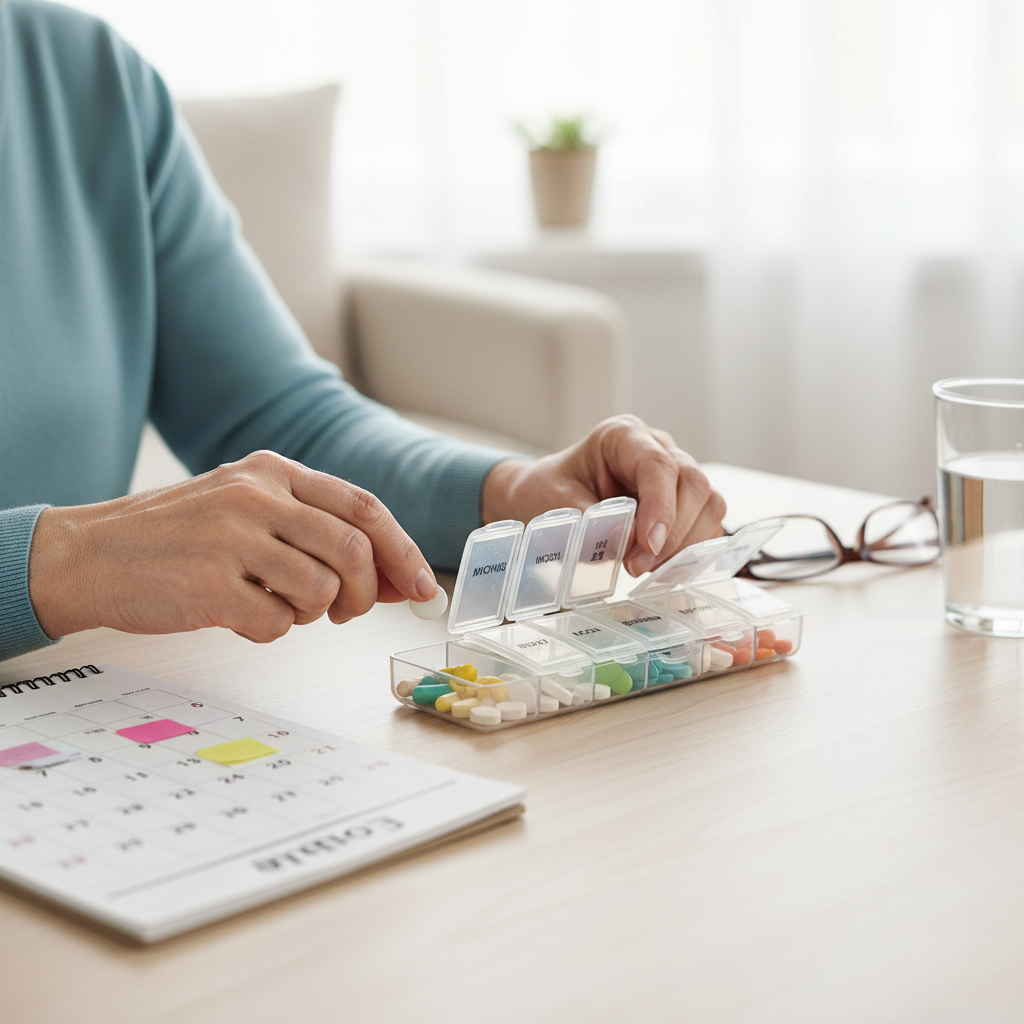
Essential Pill Calendars and Organizers for Seniors
Managing multiple medications can be a significant challenge, especially for seniors. A missed dose or an accidental double dose can have serious health consequences. Fortunately, a variety of pill calendars and organizers are available to simplify this daily task, promote independence, and ensure medication is taken correctly and on time. These tools range from simple plastic containers to sophisticated electronic devices, catering to different needs and complexities of medication regimens.
Choosing the right system is a personal decision that depends on factors like the number of medications taken, the frequency of doses, cognitive ability, and physical dexterity. Below, we explore the most common and effective types of pill calendars that seniors and their caregivers rely on to maintain health and safety.
1. Standard 7-Day Pill Organizers
This is the most classic and widely recognized type of pill organizer. It consists of a simple tray with seven compartments, each labeled with a day of the week (Sunday through Saturday). The user or a caregiver fills the organizer once a week, placing all the pills for a specific day into its corresponding compartment. This design is ideal for individuals with a relatively simple medication schedule, such as those who take all their pills just once a day, perhaps in the morning.
The primary benefits of the standard 7-day organizer are its simplicity and affordability. They are easy to find in any pharmacy, straightforward to use, and require no technical knowledge. The clear visual confirmation—an empty compartment—provides peace of mind that the day's medication has been taken. However, its main limitation is that it doesn't separate pills for different times of the day, making it unsuitable for anyone with a multi-dose schedule (e.g., morning and evening medications).
2. Multi-Dose 7-Day Organizers (AM/PM or More)
For those who need to take medications multiple times a day, the multi-dose organizer is a necessary step up. These organizers feature seven columns for the days of the week, but each day is further divided into two, three, or even four smaller compartments. The most common version is the AM/PM model, with sections for morning and evening pills. Others may include labels for "Morn," "Noon," "Eve," and "Bed."
This system provides a much clearer structure for complex medication regimens, significantly reducing the risk of taking the wrong pill at the wrong time. By separating doses, it helps users stay on track throughout the day. Like the standard model, it requires a weekly refill, which serves as a good routine for caregivers or the users themselves to review medications. The compartments are often color-coded to make distinguishing between different times of day even easier, which is helpful for those with visual impairments.
3. Monthly Pill Organizers (30/31-Day)
A monthly pill organizer operates on the same principle as a weekly one but extends the capacity to cover an entire month. These systems typically feature 31 numbered compartments, one for each day. They are an excellent solution for individuals with stable, long-term medication schedules who only take pills once a day. The main advantage is the convenience of filling the organizer just once a month instead of every week, saving time and effort.
This type can be particularly beneficial for seniors who live independently but have a family member or caregiver who helps manage their medications from a distance. The caregiver can prepare a full month's worth of pills in a single visit. The downside is that these organizers can be large and bulky, making them less portable. They are also less suitable for people whose prescriptions change frequently, as making mid-month adjustments can be cumbersome.
4. Automatic Pill Dispensers with Alarms
For seniors with memory challenges or very complex schedules, an automatic pill dispenser can be a game-changer. These electronic devices store weeks' worth of medication in a secured, internal carousel. At pre-programmed times, the device rotates to make the correct dose available and sounds an audible alarm, often accompanied by a flashing light, to alert the user that it's time to take their medicine.
The key feature of these dispensers is control. They only release the designated pills for that specific time, preventing users from accessing future doses. This is crucial for preventing accidental overdoses. Many models are lockable, providing an extra layer of security to ensure the medication plan is followed precisely. While they are more expensive and require some initial setup, the peace of mind they offer to both users and caregivers is often invaluable.
5. Smart Pill Organizers and Connected Apps
The latest evolution in medication management involves "smart" technology. These devices combine a physical pillbox with a smartphone app via Bluetooth or Wi-Fi. The organizer itself may have sensors that detect when a compartment is opened. If a dose is missed, the system can send a notification to the user's phone. More advanced systems can also send alerts to designated family members or caregivers.
This technology bridges the gap for caregivers who cannot be physically present, allowing them to monitor medication adherence remotely. The associated apps often do more than just send alerts; they can track adherence over time, provide medication information, and send reminders for prescription refills. The main considerations for this type of system are the cost and the user's comfort level with smartphone technology. For tech-savvy seniors or those with dedicated family support, it offers an unparalleled level of oversight and safety.