Simplify Your Summer: 3 Expert Tips for Effortless Landscaping
Discover how to transform your yard with minimal effort. Our guide offers practical advice on making landscaping loweffort this summer. Learn about choosing the right plants that thrive with little care, simplifying your garden layout, and tools that save time and energy.
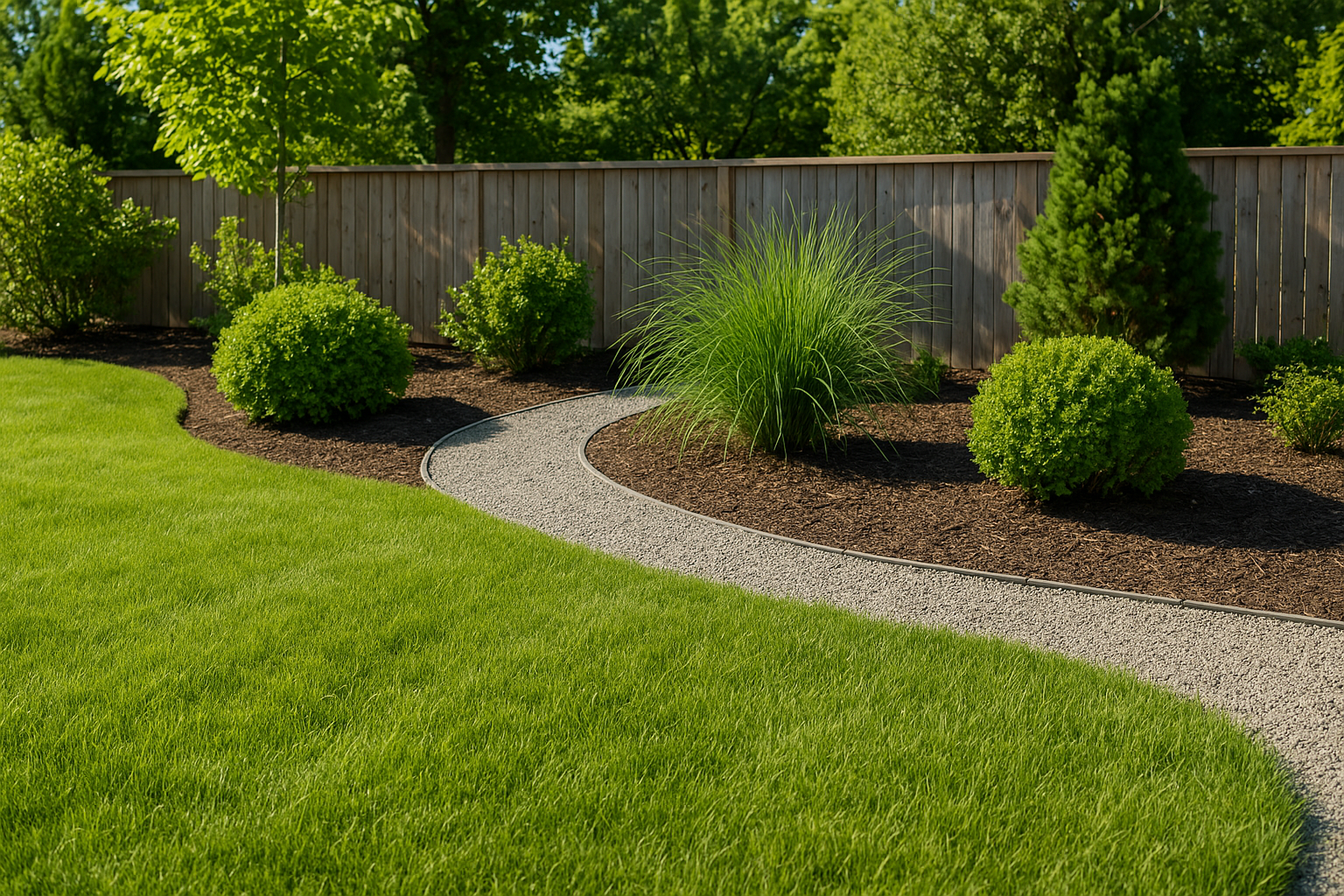
Understanding Low-Effort Landscaping
Landscaping can often be perceived as demanding, both in terms of time and effort. However, with thoughtful planning and execution, creating a visually pleasing outdoor space can become a delightful, low-effort endeavor. This approach not only saves time but also ensures a sustainable way to maintain your garden. By focusing on strategic planning, appropriate plant selection, and utilizing technology, you can significantly reduce the effort required to maintain your landscape this summer.
Tip 1: Intelligent Planning and Design
The first step toward low-effort landscaping involves intelligent planning and design. Consider creating a landscape that complements your lifestyle and the natural environment of your home. Here are some ways to achieve this:
1.1 Zoning Your Garden
Divide your garden into different zones based on use and maintenance requirements. For instance, designate areas for relaxation, entertainment, and utility. By streamlining each space's functionality, you create a more manageable layout that requires less maintenance.
- Lawn Alternatives: Consider replacing high-maintenance lawns with ground cover plants or artificial turfs. Ground covers such as clover or creeping thyme require less mowing and watering.
- Rock Gardens: Use gravel and stones to create visually appealing rock gardens. These require minimal upkeep and can be designed to suit any style.
1.2 Native and Drought-Resistant Plants
Opt for native and drought-resistant plants that thrive in your local climate. These plants require less water, fertilizers, and overall attention. According to the National Audubon Society, using native plants can reduce maintenance by up to 30% (Audubon Society, 2026).
Tip 2: Efficient Watering Techniques
Water management is crucial for a low-effort landscape. Implement efficient watering strategies to conserve water and reduce the effort involved in maintenance.
2.1 Drip Irrigation Systems
Install a drip irrigation system to deliver water directly to plant roots. This method reduces water wastage and the risk of overwatering. Additionally, it can be automated to save you time and effort.
2.2 Rainwater Harvesting
Set up a rainwater harvesting system to collect and store rainwater for later use in your garden. This sustainable practice lessens your dependency on municipal water sources and reduces the time spent on watering tasks.
Tip 3: Embrace Technology for Maintenance
The advent of smart technology has revolutionized garden maintenance. Utilizing such technology can dramatically cut down the effort required to keep your landscape vibrant and healthy.
3.1 Smart Sprinklers and Timers
Smart sprinklers and timers allow you to control watering schedules remotely. Systems like the Rachio 3 Smart Sprinkler Controller have been shown to reduce water usage by up to 50%, as reported by the EPA in 2026 (EPA, 2026).
3.2 Automated Lawn Mowers
Consider investing in an automated lawn mower. These devices operate autonomously and can be programmed to follow a regular mowing schedule, freeing up your time for other activities.
3.3 Garden Apps and Plant Sensors
Use garden apps and plant sensors to monitor plant health and receive timely alerts. These tools can guide you in making informed decisions about fertilizer use and pest control, ultimately reducing the ongoing effort required for garden upkeep.
Conclusion: Reap the Benefits of Low-Effort Landscaping
By integrating these tips into your landscaping strategy, you can enjoy a beautiful outdoor space this summer with minimal effort. Adopting intelligent design, water-efficient practices, and technology-based solutions not only enhances your garden's appeal but also supports environmental sustainability.
Implementing these strategies results in a more manageable, eco-friendly landscape that you can relax in and enjoy throughout the summer months and beyond.
For further assistance and insights, you might find resources from the National Audubon Society and EPA's WaterSense program valuable.