Smart Strategies for Affordable Car Insurance with a Less Than Perfect Driving History
Looking for ways to get cheap car insurance with a bad driving record? Discover practical tips that can help lower your premiums. While having a bad driving record can make finding affordable insurance challenging, there are strategies to explore.
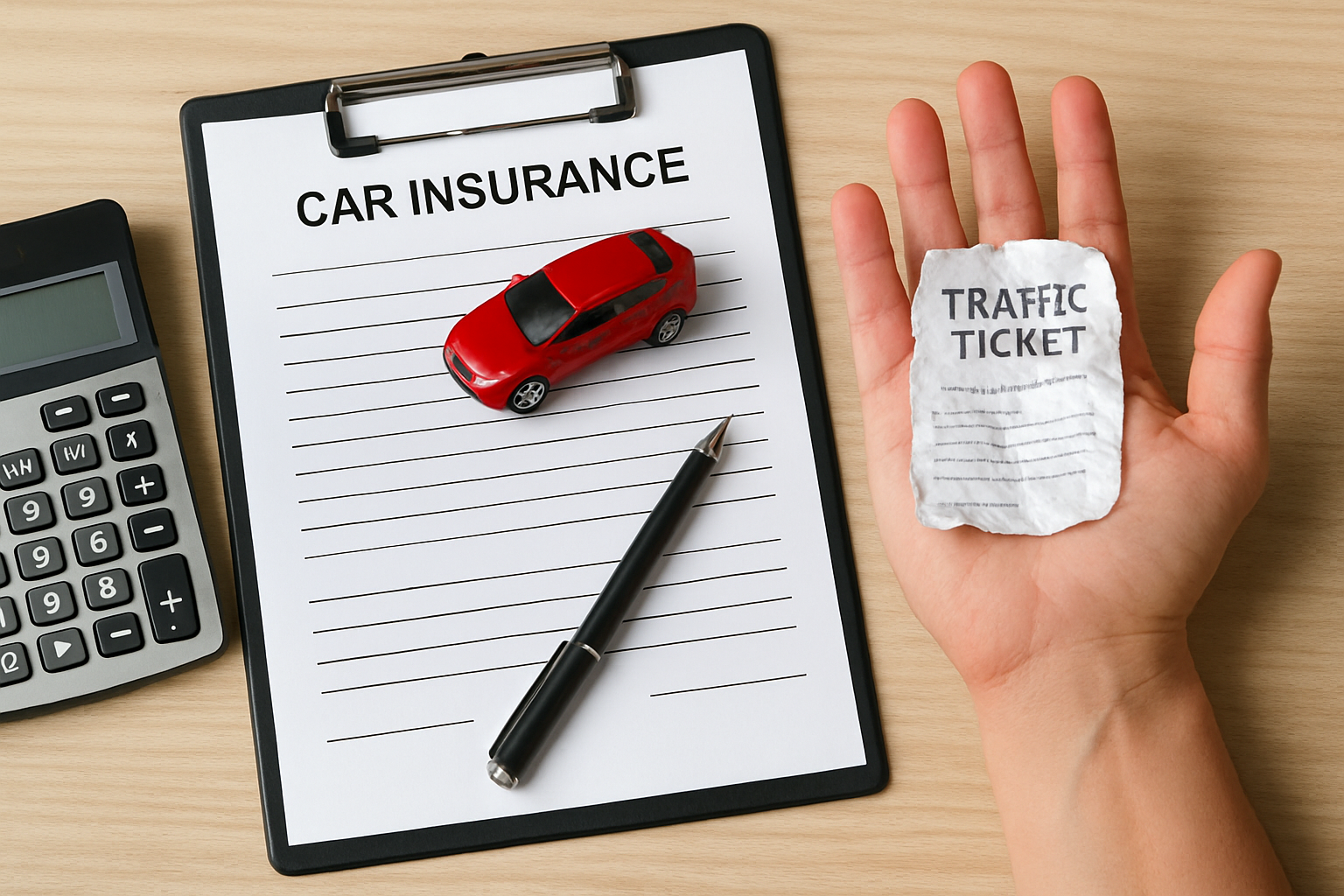
Understanding the Challenges of Getting Car Insurance with a Bad Driving Record
Individuals with a less-than-stellar driving record often face higher premiums when looking for car insurance. This might be due to traffic violations, accidents, or even DUIs that insurers consider indicators of higher risk. However, securing affordable car insurance in this scenario is not impossible.
In this guide, we'll explore various avenues that can help you reduce your car insurance premiums even with a bad driving record. From understanding what affects your rates to exploring discount opportunities and alternative insurance options, we've got you covered.
The Impact of a Poor Driving Record on Insurance Rates
Insurance companies typically assess risk based on past behaviors. A bad driving record suggests that a policyholder is more likely to file a claim, leading to increased costs for the insurer. As a result, companies often charge higher premiums to cover potential losses.
According to a 2026 industry report by the Insurance Information Institute, individuals with multiple traffic violations could see their rates increase by as much as 60%, compared to those with clean records. Understanding your personal risk factors is crucial to managing these costs.
Strategies to Lower Your Insurance Costs
Take a Defensive Driving Course
Many insurance companies offer discounts to drivers who complete defensive driving courses. These courses can not only help improve your driving skills but demonstrate to insurers that you're taking steps to become a safer driver.
For example, in states like New York and Texas, participating in a state-approved defensive driving course can lead to up to a 10% reduction in liability premiums for three years. Check with your insurer for eligibility and specific course requirements.
Shop Around and Compare Quotes
Different insurance companies assess risk and price policies differently. By comparing quotes from multiple insurers, you might find one that offers a more competitive rate despite your driving record. Online comparison tools have made this process easier than ever.
- Use comparison websites like The Zebra or NerdWallet to get multiple quotes at once.
- Consider speaking with an independent insurance agent who can provide personalized advice based on your situation.
Look for Discounts
Insurance companies offer various discounts that could offset the costs imposed by a bad driving record. These might include:
- Multi-policy discount for bundling car and home insurance.
- Loyalty discounts for long-term customers.
- Payment discounts for setting up automatic or full-payment options.
Progressive and State Farm are among the providers known for extensive discount programs. Check with your current insurer to identify applicable discounts.
Alternative Insurance Options
Consider Usage-Based Insurance
Usage-based insurance (UBI) programs, such as Progressive’s Snapshot or Allstate's Drivewise, use telematics to monitor driving behavior. These programs could reward safe driving habits with lower premiums, offering a way to reduce rates over time, even with a poor history.
The 2026 Telematics Update shows that UBI participants can see savings between 10% to 25% on average, which may significantly impact affordability. Confirm availability and terms with insurers.
Explore High-Risk Insurance Providers
Some insurers specialize in providing coverage for high-risk drivers. These companies understand the challenges faced by drivers with bad records and may offer more suitable and flexible options than traditional insurers.
Non-standard insurance companies such as The General or National General Insurance offer competitive rates tailored for high-risk individuals. A bit of research into these can open more avenues.
Rebuilding Your Driving Record
Adopt Safer Driving Practices
The best way to reduce insurance costs over time is to rebuild your driving record. Begin by adopting safe driving practices that prevent further infractions or accidents.
- Adhere to speed limits and traffic signals.
- Avoid distractions like mobile phones while driving.
- Prioritize regular vehicle maintenance to avoid breakdowns or safety issues.
Improving this aspect can bring down premiums significantly in the long run, with insurers reassessing risk every couple of years.
How Long Does It Take to Clear a Bad Record?
Typically, traffic violations remain on your driving record for three to five years. However, serious offenses like DUIs might last longer. During this period, focus on maintaining a clean record to demonstrate improved behavior.
Regularly check both your driving record and insurance score to monitor progress. Learn more about this from authoritative sources like the Department of Motor Vehicles (DMV) and insurance providers.