Smart Strategies for Effectively Managing and Consolidating Credit Card Debt in 2026
Discover the latest strategies to smartly consolidate credit cards in 2026. Explore how innovative approaches can help manage your credit portfolios more effectively, potentially lowering costs.
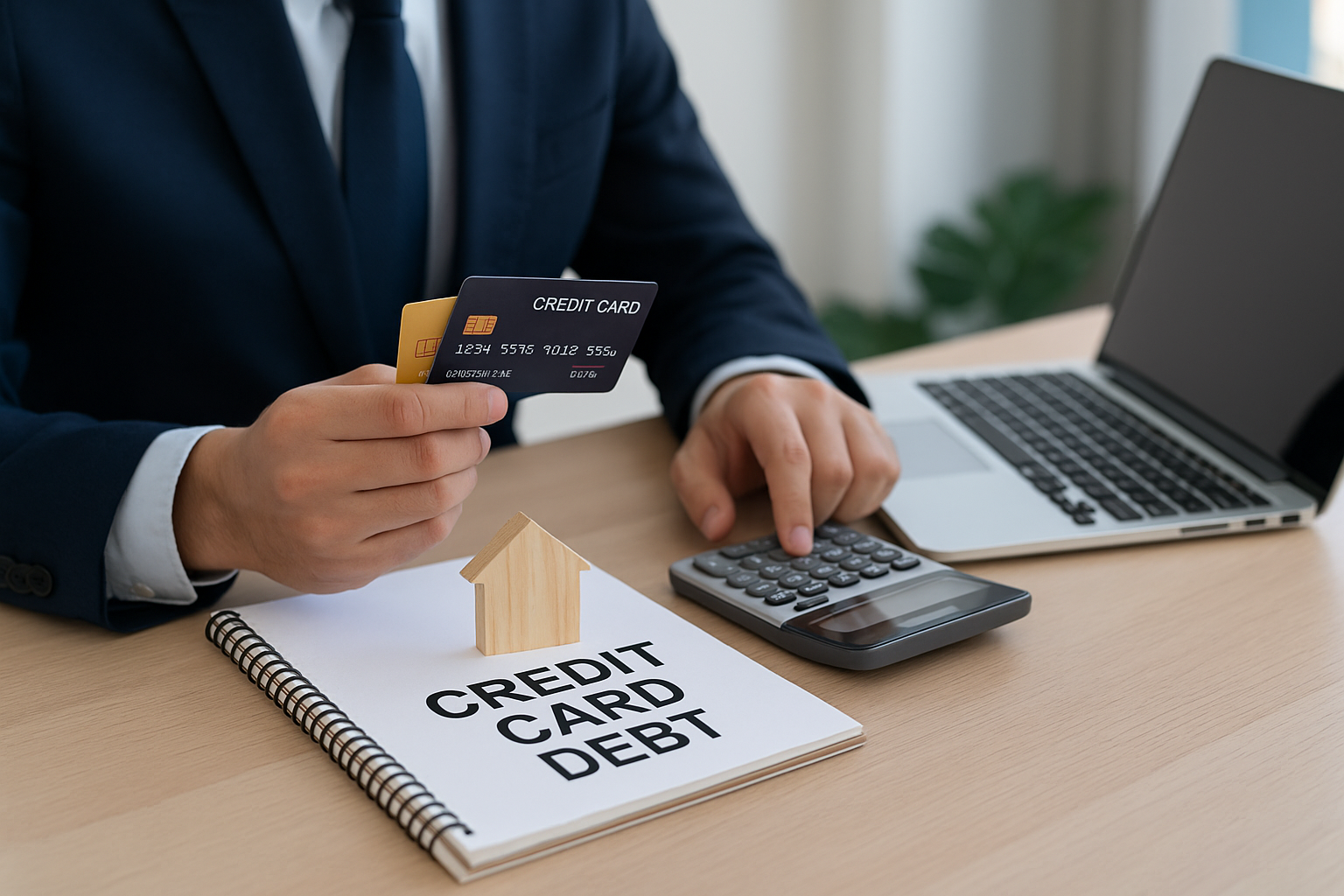
Understanding Credit Card Consolidation
In recent years, managing multiple credit cards has become a common burden for many individuals. Consolidating credit card debt is a strategic move that can simplify your financial life and potentially save you money on interest charges. But what exactly does it entail, and how can you approach it efficiently? Let's explore the smart ways to consolidate your credit cards effectively in 2026.
What Is Credit Card Consolidation?
Credit card consolidation involves combining multiple credit card balances into a single, manageable payment. This process typically applies to individuals who are dealing with high interest rates and complex payment schedules across several cards. By consolidating, you aim to reduce the number of payments you make each month and potentially lower the interest you are paying.
Why Consider Consolidating Credit Card Debt?
- Lower Interest Rates: Many consolidation methods can offer a lower annual percentage rate (APR) than your current credit cards, helping you save on interest over time.
- Simplified Payments: Managing one monthly payment is much easier than juggling several. This can lead to more effective budgeting and less likelihood of missed payments.
- Improved Credit Score: By paying off outstanding credit card balances with a consolidation loan, you might see a positive impact on your credit score over time.
Smart Strategies for Credit Card Consolidation in 2026
1. Balance Transfer Credit Cards
One efficient way to consolidate credit card debt is by using a balance transfer card. These cards often come with an introductory 0% APR for a set period (usually 12 to 18 months), which allows you to pay down your debt without accruing additional interest. However, be aware of balance transfer fees and ensure that you can pay off the balance before the introductory period ends.
2. Debt Consolidation Loans
Debt consolidation loans are personal loans that you can use to pay off high-interest credit card debt. These loans typically offer fixed interest rates and fixed monthly payments, which can provide certainty and help with budget planning. As of 2026, interest rates for such loans have been favorable, often lower than credit card rates, especially if your credit is good. Always shop around and compare different lenders to find the best terms.
3. Home Equity Loans or HELOCs
If you have equity in your home, you might consider a home equity loan or home equity line of credit (HELOC) to consolidate credit card debt. These options generally offer lower interest rates than credit cards because they are secured by your home. However, they come with the risk of losing your home if you cannot make payments. As for 2026, the interest rates on these loans remain competitive due to the stable housing market.
4. Enrolling in a Debt Management Plan
A debt management plan (DMP) is a service provided by credit counseling agencies that involves negotiating with your creditors to lower interest rates and consolidate payments into a single monthly amount. This can be a viable option if negotiating independently is challenging. Ensure the agency you choose is reputable and provides you with a comprehensive plan.
5. Utilizing Financial Technology (FinTech) Platforms
The evolution of financial technology in 2026 has opened up new avenues for managing debt. FinTech platforms can provide innovative solutions for consolidation with personalized app-based management tools, real-time tracking, and even AI-driven financial advice. Platforms like Loanly and DebtFix are gaining popularity for their user-centric designs and efficiency in debt management.
Key Considerations Before Consolidating
Understand Your Financial Situation
Before diving into credit card consolidation, take a thorough look at your financial situation. Calculate your total credit card debt and evaluate your income and expenses to ensure that you can handle the new consolidated payment. Consulting a financial advisor might be beneficial for a detailed understanding of your financial health.
Avoid Accumulating More Debt
Consolidation can free up your credit cards, but it is crucial not to view this as an opportunity to incur more debt. Create a strict budget and use any extra funds to accelerate debt repayment. Engaging with educational resources on financial management can help maintain discipline.
Watch Out for Scams and Fees
With numerous services offering debt consolidation, it's important to verify the legitimacy of any company you decide to engage with. Be wary of upfront fees and make sure you understand all terms clearly. The Federal Trade Commission (FTC) offers guidance on identifying fraudulent schemes and protecting your finances.
Monitor Legislative Changes
Stay updated on any changes in national regulations regarding credit card debt and consolidation practices. In 2026, there are discussions about new consumer protection laws aimed at ensuring transparency in financial products, which might impact consolidation loans positively.
Conclusion
Consolidating your credit card debt can be a powerful move towards financial freedom if approached wisely. By understanding your options, considering the current market trends in 2026, and remaining alert to potential pitfalls, you can find the most efficient strategy to simplify your financial life. Remember, while consolidation offers many benefits, it requires disciplined financial behavior to be truly effective.
References