Smart Strategies for Managing Debt with Confidence
Explore the potential of debt consolidation programs and how they might help manage multiple credit obligations. While these programs could streamline your financial landscape, results and outcomes can vary based on individual circumstances.
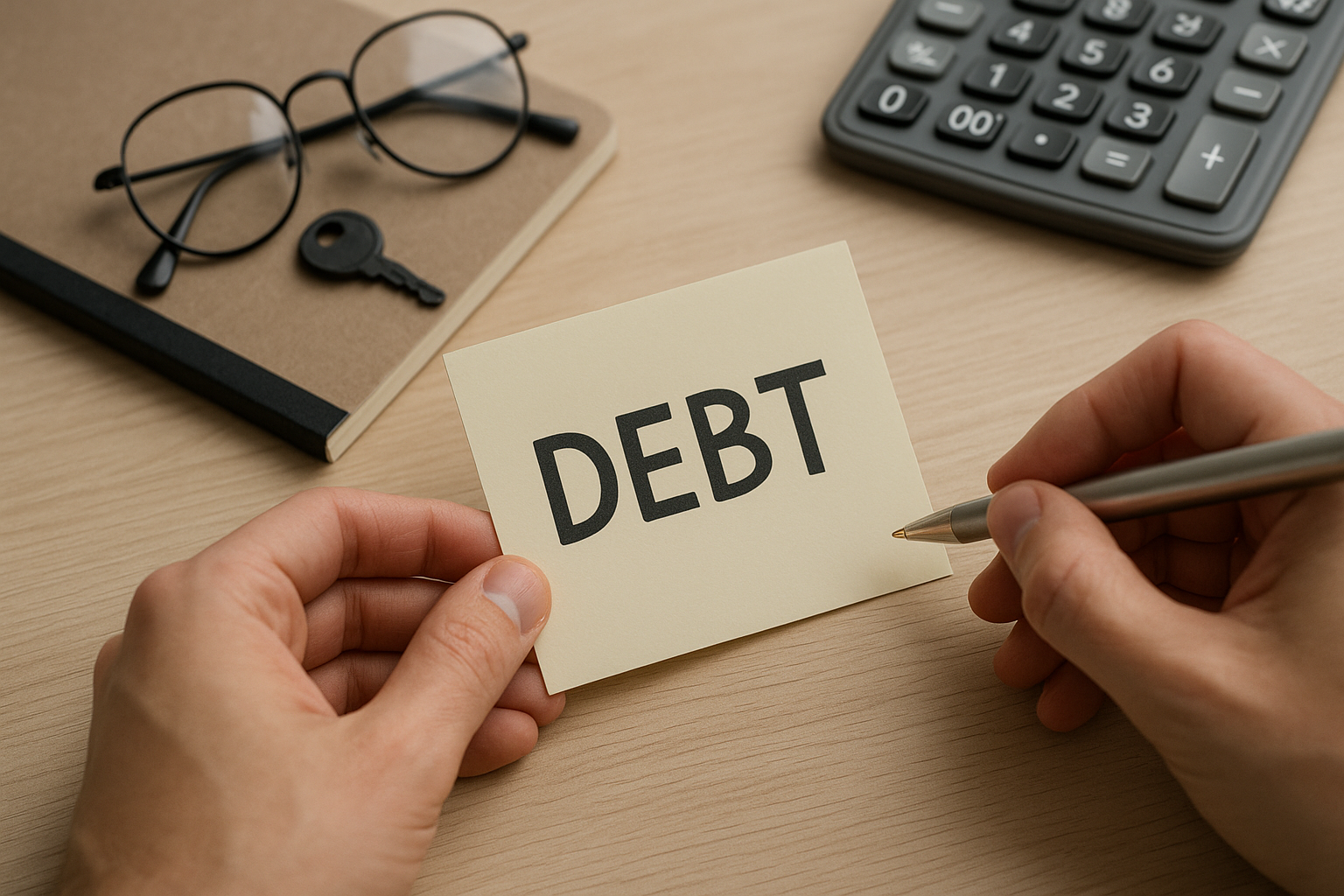
Understanding Debt Consolidation Programs
Debt consolidation programs are financial strategies designed to help individuals manage and reduce their debt by combining multiple debts into a single payment. This approach can offer significant benefits, including lower interest rates, reduced monthly payments, and a simplified payment process. However, it's essential to understand how these programs work, their advantages, potential downsides, and how they relate to your financial situation.
What is Debt Consolidation?
Debt consolidation involves taking out a new loan to pay off a number of liabilities and consumer debts, generally unsecured ones. With debt consolidation, you combine these smaller debts into a larger piece of debt, usually with more favorable payoff terms such as a lower interest rate, lower monthly payment, or both. The process requires a planned and methodical approach to eliminate debt responsibly.
Types of Debt Consolidation Programs
There are several ways to consolidate debt, each with its unique features and benefits:
- Balance Transfer Credit Cards: These allow you to transfer existing credit card debt to a new card with a low or zero percent introductory interest rate for a specified period. It's crucial to pay off the balance before the introductory rate ends to avoid high-interest rates.
- Personal Loans: These are unsecured loans offered by banks, credit unions, or online lenders that can be used to consolidate debt. They typically feature fixed interest rates and repayment terms.
- Home Equity Loans: These involve borrowing against the equity in your home. They can offer lower interest rates due to the secured nature of the loan but come with the risk of losing your home if you default.
- Debt Management Plans (DMPs): Non-profit credit counseling agencies offer DMPs to help consumers create a repayment plan for their debts. This can include negotiating lower interest rates or fees with creditors.
Benefits of Debt Consolidation
Choosing to consolidate your debts can result in several advantages, including:
- Simplified Payments: Managing a single monthly payment is easier and less time-consuming than coordinating multiple payments.
- Lower Interest Rates: By consolidating debt into a lower-interest loan or credit card, you can reduce the total amount paid in interest over time.
- Improved Cash Flow: Lower monthly payments can free up cash for other expenses or savings, helping to stabilize your financial situation.
- Boosted Credit Score: Consistently managing a consolidated loan or credit card can positively impact your credit score by reducing your credit utilization and establishing a record of on-time payments.
Is Debt Consolidation Right for You?
Despite the advantages, consolidation isn't a one-size-fits-all solution. Consider the following when deciding if it's appropriate for you:
Factors to Evaluate
- Debt Amount and Type: Assess whether consolidation will effectively reduce your payments without extending the debt term unnecessarily.
- Credit Score: Good credit is often required to qualify for the best interest rates on consolidation loans.
- Discipline and Spending Habits: Future financial behavior changes may be necessary to prevent accumulating new debt.
An honest evaluation of these factors will help determine the suitability of debt consolidation for your financial strategy. It's recommended to consult with a financial advisor to explore all possible options.
Successful Debt Consolidation Stories
Understanding real-world examples can illustrate how debt consolidation works effectively:
Example: In a 2026 financial study, Jane Doe, a 35-year-old nurse from California, successfully used a debt consolidation loan to pay off her high-interest credit cards. By securing a personal loan with an interest rate of 8% compared to her previous average of 19%, she was able to save over $3000 in interest payments over three years.
Recent Trends and Data in Debt Consolidation
Recent statistics highlight a growing trend in debt consolidation among American consumers. According to a 2026 report from the Federal Reserve, consumer debt in the U.S. has exceeded $16 trillion, making debt consolidation an appealing option for many individuals looking to manage their finances better.
- Approximately 25% of consumers with credit card debt considered a consolidation plan in the first quarter of 2026 (Federal Reserve).
- A survey by NerdWallet found that consolidating credit card debt reduced monthly payments by as much as 30% for many users.