Smart Strategies to Reduce Fuel Expenses Amid Rising Gas Prices
Discover strategic ways to reduce your fuel costs as gas prices continue to rise. Our comprehensive guide explores practical tips that can help you spend less at the pump without drastic lifestyle changes.
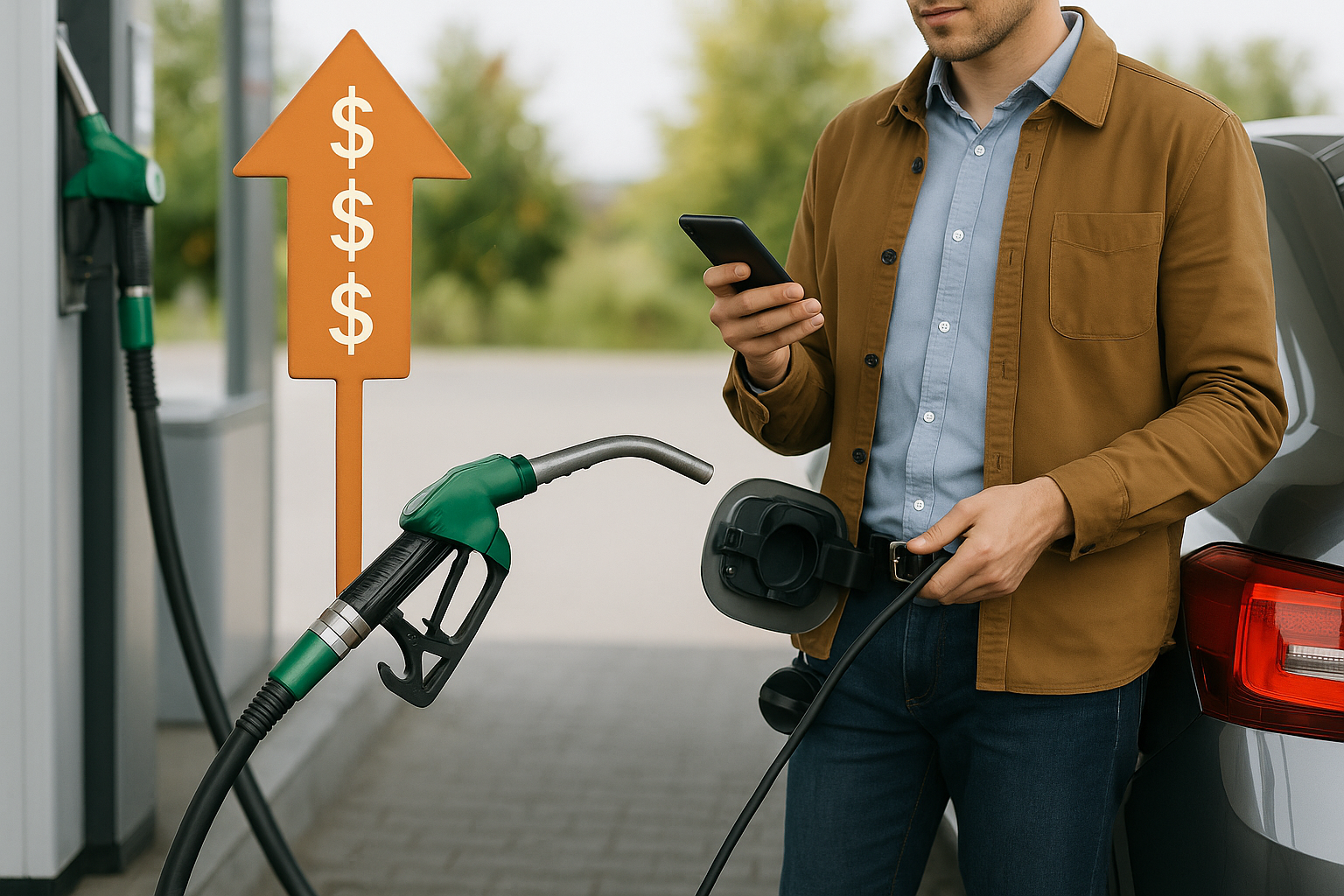
Understanding the Rising Gas Prices
Before diving into strategies for cutting fuel costs, it's essential to understand why gas prices are rising. In 2026, a combination of geopolitical tensions, production constraints by oil-producing countries, and increased global demand have led to significant fluctuations in gas prices. According to the International Energy Agency, global oil consumption reached a record high this year due to the rebound of economies post-COVID-19 and a resurgence in industrial activities.
Moreover, environmental regulations have also factored into price increases. As countries strive to reduce carbon emissions, investments in fossil fuel infrastructure have decreased, impacting supply and thereby prices. Understanding these dynamics can help consumers make informed decisions about managing their fuel expenditures.
Effective Strategies to Cut Your Fuel Costs
Adopt Fuel-Efficient Driving Habits
One of the simplest ways to reduce fuel consumption is to improve your driving habits. Consider the following tips:
- Avoid Aggressive Driving: Rapid acceleration and abrupt braking can increase fuel consumption by up to 40%. Maintaining a steady speed and using cruise control on highways can lead to substantial savings.
- Observe Speed Limits: Fuel efficiency decreases at speeds over 50 miles per hour. Reducing highway speeds and sticking to the speed limit can improve fuel economy.
- Reduce Idling: Idling uses up to half a gallon of fuel per hour. Turn off your engine when parked or waiting for extended periods.
Maintain Your Vehicle Regularly
A well-maintained vehicle runs more efficiently, leading to better fuel economy. Regular maintenance checks can help you save on fuel costs:
- Check Tire Pressure: Under-inflated tires increase fuel consumption. Check your tire pressure monthly and keep them inflated to the recommended level.
- Use the Right Motor Oil: Opt for the motor oil grade recommended by your vehicle manufacturer. Using the wrong oil can decrease fuel efficiency by 1-2%.
- Regular Engine Tune-Ups: Address any engine issues, such as faulty oxygen sensors, which can improve your gas mileage significantly.
Consider Carpooling and Public Transportation
Carpooling can be an effective way to share fuel costs with others traveling in the same direction. Coordinating with coworkers or neighbors for daily commutes can greatly reduce individual expenses.
In addition, using public transportation is one of the most efficient ways to cut fuel costs. Most urban areas offer convenient bus and train services that can provide cheap alternatives to driving.
Leverage Technology for Smarter Fuel Use
Modern technology offers numerous tools that can help manage and minimize fuel expenses:
- Mobile Apps: Apps like GasBuddy or Waze identify the cheapest gas stations near you. Consistently choosing cheaper stations can result in significant annual savings.
- Navigation Systems: GPS systems and map applications can guide you along the most fuel-efficient routes, avoiding heavy traffic and road closures.
Invest in Fuel-Efficient Vehicles
While it may require an initial investment, purchasing a fuel-efficient or hybrid vehicle can lead to substantial savings over time. A recent study by the U.S. Department of Energy found that hybrid vehicles can offer up to a 30-50% increase in fuel efficiency compared to conventional vehicles. Electric vehicles, although slightly higher in upfront cost, virtually eliminate fuel expenses altogether.
Additionally, some government programs offer tax incentives or rebates for purchasing eco-friendly vehicles, further offsetting long-term costs.
Conclusion: Making Informed Choices
Rising gas prices are a challenge that many consumers face today, but with the right strategies, you can significantly reduce your fuel costs. By adopting fuel-efficient driving habits, maintaining your vehicle, utilizing technology, and exploring alternative transportation or vehicle options, you can mitigate the financial impact of high gas prices on your budget. Remember that small changes in your daily routine can lead to substantial savings over time.
For more in-depth analyses and the latest tips on reducing fuel costs, you can explore resources such as the U.S. Department of Energy's Fuel Economy website and the International Energy Agency’s reports.