Spotting Early Warning Signs of Colon Cancer: 6 Key Symptoms You Can Check at Home
Understanding the early signs of colon cancer is a crucial step in proactive health awareness, and many initial symptoms can be monitored right at home. While often subtle, these changes in your body are important signals that shouldn't be ignored.
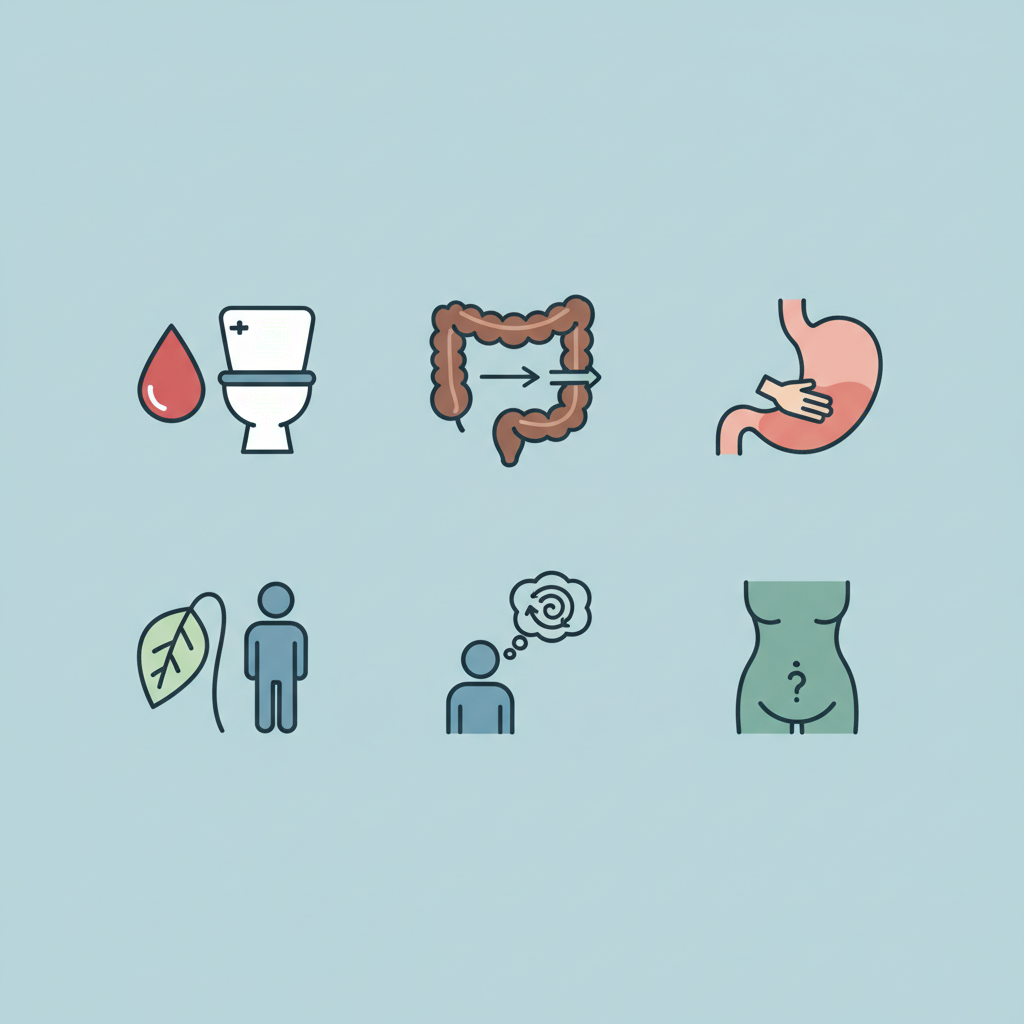
6 Key Early Signs of Colon Cancer to Be Aware Of
Recognizing the early signs of colon cancer is crucial for early detection and improving outcomes. While some individuals may experience no symptoms in the initial stages, others might notice subtle changes in their body. Paying attention to these signals and understanding what they mean is the first step toward proactive health management. Many of these symptoms can also be attributed to other, less serious conditions, but their persistence is a key indicator that you should seek a professional opinion. Below, we delve into six common early symptoms associated with colon cancer.
1. A Persistent Change in Bowel Habits
One of the most frequently reported early signs of colon cancer is a noticeable and lasting change in your bowel habits. This isn't about a single day of unusual activity but a pattern that continues for more than a few days. This can manifest as persistent diarrhea, where you experience loose, watery stools more frequently than normal, or chronic constipation, where you struggle to have a bowel movement. Some people may experience a combination of both, alternating between bouts of diarrhea and constipation without a clear cause.
Another aspect of this symptom is a change in the consistency or shape of your stool. You might notice that your stools are narrower than usual, sometimes described as being pencil-thin. This can happen if a tumor in the colon is obstructing the passage, forcing the stool into a smaller shape as it passes. While dietary changes can affect bowel habits, a persistent shift that lasts for several weeks is a significant reason to pay closer attention to your body.
2. Blood in Your Stool (Rectal Bleeding)
Finding blood in your stool can be alarming, and it is a symptom that should never be ignored. In the context of colon cancer, this can appear in a few different ways. You might see bright red blood on the toilet paper after wiping, in the toilet bowl, or mixed in with your stool. This type of bleeding often indicates that the source is in the lower part of the colon or the rectum. However, blood from a tumor higher up in the colon may not be as obvious.
In such cases, the blood has had time to be digested, which can make the stool appear very dark, almost black, and tarry. This is known as melena. It's important to remember that other conditions, such as hemorrhoids or anal fissures, can also cause rectal bleeding. However, because it is a potential sign of something more serious, any instance of blood in your stool warrants a discussion with a healthcare provider to determine the underlying cause.
3. Unexplained Abdominal Discomfort
Persistent abdominal discomfort that doesn't seem to go away is another key symptom. This isn't the occasional stomach ache from something you ate; rather, it's a nagging discomfort that can include cramps, gas, or pain. The sensation might be dull and generalized, or it could be a sharper, more localized pain. Patients often describe it as a feeling of bloating or fullness that isn't relieved by passing gas or having a bowel movement.
This discomfort can be caused by a tumor blocking a portion of the colon, leading to a buildup of gas and stool. The pain or cramping can be a result of the bowel trying to push material past the obstruction. If you are experiencing regular abdominal pain that is new to you and lasts for more than a few days without a clear explanation, it's a signal that something needs to be investigated further.
4. A Feeling That Your Bowel Doesn't Empty Completely
This specific sensation, known as tenesmus, can be a particularly frustrating and uncomfortable symptom. It is the persistent feeling that you need to have a bowel movement, even if you have just been to the bathroom. You might strain to pass stool but find that little or nothing comes out, yet the urge remains. This feeling arises when a tumor is present in the rectum or lower colon, as it can press on the nerve endings that signal the need to defecate.
The body misinterprets the pressure from the tumor as being stool, creating a constant and sometimes urgent need to use the restroom. This can significantly impact a person's quality of life, causing anxiety and frequent trips to the bathroom. If you constantly feel like you haven't fully evacuated your bowels, it’s a distinct symptom that should be discussed with a doctor.
5. Unexplained Weight Loss
Losing weight without trying might sound appealing to some, but when it happens unintentionally, it can be a serious red flag for an underlying health issue, including colon cancer. Unexplained weight loss is generally defined as losing 10 pounds or more, or more than 5% of your body weight, over a period of six months or less without changes to your diet or exercise routine. This type of weight loss often occurs because cancer cells consume a significant amount of the body's energy.
The body's immune system also works overtime to fight the cancer, which burns additional calories. Furthermore, a tumor in the colon can interfere with the body's ability to absorb nutrients from food, leading to weight loss even if your eating habits haven't changed. Sometimes, the abdominal discomfort associated with the cancer can also affect your appetite, causing you to eat less and lose weight as a result.
6. Weakness or Fatigue
Profound fatigue that isn't relieved by rest is another common symptom. This isn't just feeling tired after a long day; it's a persistent sense of exhaustion that can interfere with your daily activities. In the case of colon cancer, this weakness is often linked to chronic, slow blood loss from the tumor into the digestive tract. Even if you don't see bright red blood, a slow leak can lead to a gradual depletion of your body's red blood cells, resulting in iron-deficiency anemia.
Anemia means your blood doesn't have enough healthy red blood cells to carry adequate oxygen to your body's tissues. This lack of oxygen can leave you feeling constantly tired, weak, and short of breath. If you're experiencing unrelenting fatigue that you can't explain, a simple blood test can check for anemia, which could be an important clue pointing toward an underlying issue like colon cancer.
Understanding Colon Cancer and Its Risk Factors
Colon cancer, also known as colorectal cancer when it includes cancer of the rectum, typically begins as a small, noncancerous clump of cells called a polyp. These polyps form on the inner lining of the colon or rectum. Over time, some of these polyps can develop into cancer. This is why regular screening, which can detect and remove polyps before they turn cancerous, is so effective. The disease often develops slowly, over several years, which provides a window of opportunity for early detection.
While the exact cause of colon cancer is not always known, several risk factors have been identified that can increase a person's likelihood of developing the disease. Some of these factors are unchangeable, such as age (the risk increases significantly after age 45), a personal history of inflammatory bowel disease (like Crohn's disease or ulcerative colitis), or a family history of colon cancer or polyps. However, many risk factors are related to lifestyle and can be modified. These include a diet low in fiber and high in red or processed meats, a lack of regular physical activity, obesity, smoking, and heavy alcohol use.
Frequently Asked Questions About Colon Cancer Symptoms
At What Age Should I Start Paying Attention to These Symptoms?
You should pay attention to these symptoms at any age. While the risk of colon cancer historically increases for individuals over 50, recent trends have shown a concerning rise in diagnoses among younger adults. In response to this, organizations like the American Cancer Society have lowered the recommended age to begin regular screening for people at average risk from 50 to 45. However, this is just a guideline for screening, not for symptom awareness.
Regardless of your age, persistent and unexplained symptoms like changes in bowel habits, rectal bleeding, or abdominal pain should not be dismissed. Younger individuals sometimes face delays in diagnosis because these symptoms are initially attributed to more common conditions like irritable bowel syndrome (IBS) or hemorrhoids. Being your own health advocate and seeking a medical opinion for any lasting symptoms is crucial for everyone, regardless of whether you fall into a high-risk age group.
Can These Symptoms Be Caused by Something Else?
Absolutely. It is very important to understand that nearly all of the symptoms associated with early-stage colon cancer can also be caused by a wide range of other, less serious conditions. For example, blood in the stool could be from hemorrhoids or an anal fissure. Changes in bowel habits and abdominal pain are hallmark symptoms of irritable bowel syndrome (IBS) or inflammatory bowel disease (IBD). Fatigue can be caused by countless factors, from stress to other medical conditions.
The key differentiating factor is often the persistence and unexplained nature of the symptoms. A stomach ache that resolves in a day is different from one that lingers for weeks. The crucial takeaway is not to self-diagnose or panic. Instead, use these symptoms as a signal to consult a healthcare professional. They can perform a proper evaluation, ask detailed questions, and recommend tests to accurately diagnose the cause of your symptoms and rule out serious conditions.
Key Takeaways on Colon Cancer Awareness
Awareness is the cornerstone of early detection. Understanding the potential early signs of colon cancer—such as persistent changes in bowel habits, blood in the stool, ongoing abdominal discomfort, and unexplained fatigue or weight loss—empowers you to take charge of your health. While these symptoms can be caused by many other conditions, they should not be ignored, especially if they are persistent.
Regular screening remains one of the most powerful tools in preventing colon cancer, as it can find and remove precancerous polyps. However, listening to your body and recognizing when something is not right is equally important. Discussing any concerning symptoms with a healthcare provider is a critical step toward either peace of mind or an early diagnosis, which can make all the difference.