Step-by-Step Guide to Enrolling in CVS Health Insurance
Looking to enroll in CVS Health Insurance? Discover the step-by-step process to get started on your health coverage journey with CVS Health Insurance. Understand eligibility, available plans, and how to navigate the enrollment process smoothly.
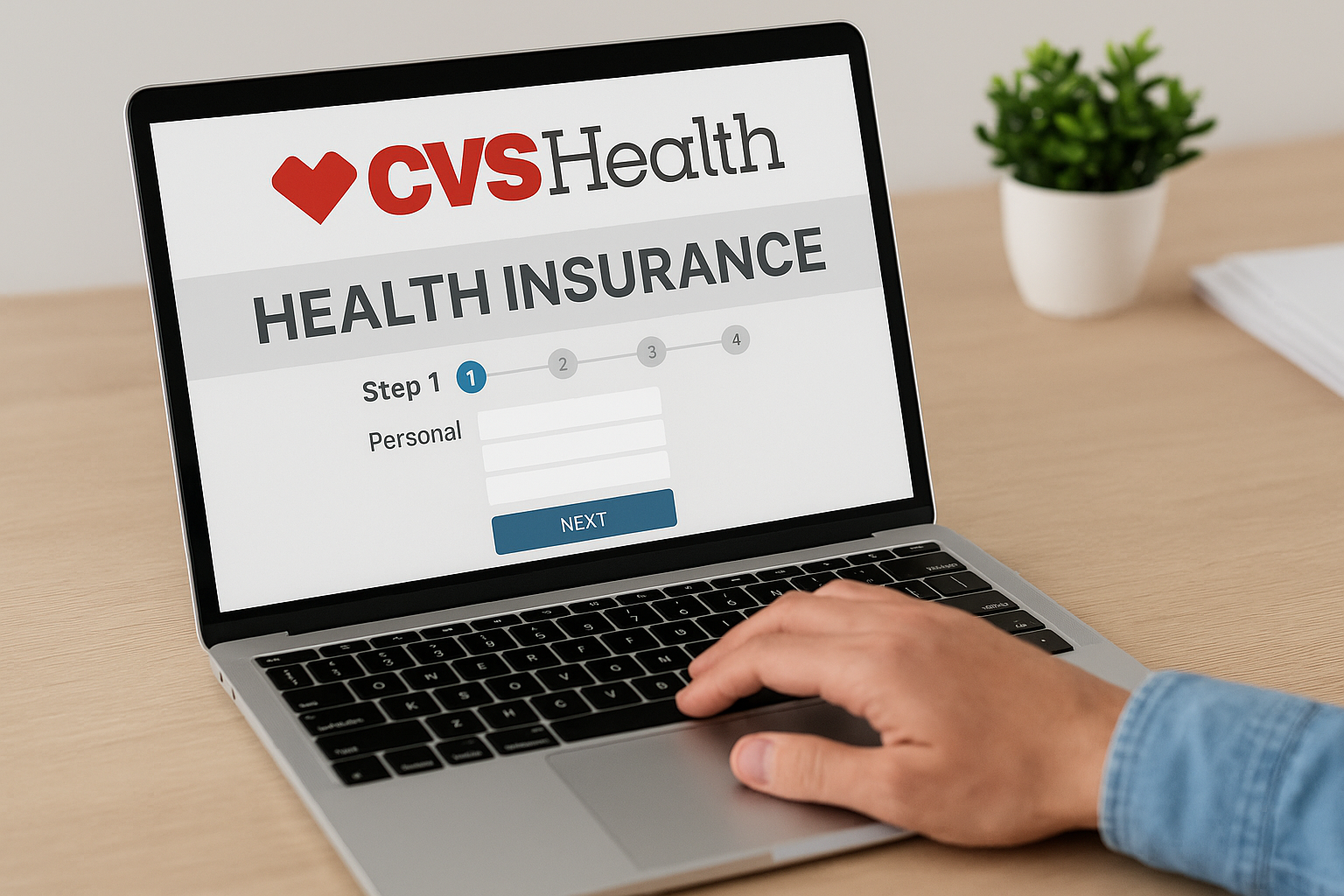
Understanding CVS Health Insurance Options
CVS Health is not just your average pharmacy; it also plays a significant role in the healthcare sector by providing insurance options through its subsidiary, Aetna. With the increasing importance of having health insurance, understanding how you can enroll in CVS Health Insurance is critical for ensuring you have adequate coverage.
Why Choose CVS Health Insurance?
CVS Health Insurance offers a variety of plans tailored to fit different needs and budgets. Whether you’re looking for individual coverage, family plans, or specific coverage such as dental or vision, CVS Health, through Aetna, provides comprehensive options.
- Comprehensive Coverage: Aetna offers plans that cover preventative services, emergency care, and prescriptions.
- Network Access: Having health insurance with Aetna means access to a large network of medical providers and specialists.
- Pharmacy Benefits: As CVS Pharmacy is integrated within the network, policyholders often benefit from reduced prescription costs.
- Flexible Plans: Various plans such as HMOs, PPOs, and EPOs are available, allowing you to choose based on your healthcare needs and financial situation.
Steps to Enroll in CVS Health Insurance
Enrolling in CVS Health Insurance is a straightforward process, whether you’re selecting a plan for the first time or changing from another provider. Below are the detailed steps to guide you through enrollment:
1. Evaluate Your Healthcare Needs
Begin by assessing your current health needs and financial situation. Consider factors such as how frequently you visit doctors, current medications you take, and whether you anticipate needing specialized services in the near future.
2. Explore Aetna Plan Options
Visit the Aetna website or contact a representative to learn more about the types of plans available. Here are some plan types you might encounter:
- Health Maintenance Organization (HMO): Offers lower premiums but requires using a network of doctors and hospitals.
- Preferred Provider Organization (PPO): More flexibility in choosing healthcare providers but often with higher out-of-pocket costs.
- Exclusive Provider Organization (EPO): Combines features of HMOs and PPOs, offering a balance of flexibility and network range.
3. Check Eligibility and Enrollment Periods
Enrollment periods are crucial for acquiring or changing your health insurance. Typically, you can enroll during the annual open enrollment period, special enrollment periods due to life changes such as marriage or having a baby, or if you receive subsidies through the Health Insurance Marketplace.
4. Gather Necessary Information
Prepare personal information and documents, such as:
- Social Security Number
- Income documentation (e.g., pay stubs or tax returns)
- Current health insurance information
5. Enroll Online or Through Assistance
Enrollment can be completed online via the Aetna official website for convenience or you can seek help from a licensed insurance agent affiliated with CVS Health to guide you through the process. Remember to double-check your application for accuracy.
Post-Enrollment: Making the Most of Your Plan
After enrollment, understanding how to maximize your benefits is essential to ensure you reap the full value of your health insurance. Here’s how to effectively manage your plan:
Understanding Your Benefits
Once enrolled, carefully review your benefits summary to understand what services are covered, the associated costs, and any limitations. This includes knowing the difference between in-network and out-of-network costs.
Utilize Preventive Services
Take advantage of preventive services such as vaccines, routine check-ups, and screenings that are often covered at no extra cost under your plan. This can prevent more severe health issues later on and reduce overall healthcare costs.
Managing Prescriptions
Understand your plan's pharmacy benefits to manage prescription costs effectively. Using CVS Pharmacies can often provide additional savings and convenience.
Accessing Additional Resources
Many plans offer resources like nurse hotlines, health management programs, and online portals for tracking your health activities. Use these tools to stay informed and proactive about your health.
Conclusion
Whether you’re new to health insurance or reassessing your options, understanding how to enroll in and utilize CVS Health Insurance is crucial. With a strategic approach, you can secure a plan that offers both comprehensive coverage and peace of mind. For the most recent updates and detailed guidance, always refer to trusted resources directly from CVS Health or Aetna websites.
https://www.cvshealth.com/health-care/aetna
https://www.aetnacvshealth.com/
https://www.aetnacvshealth.com/individuals-families/en.html
https://www.aetnacvshealth.com/individuals-families/en/aca-plans.html
https://www.aetnacvshealth.com/individuals-families/en/find-a-plan.html
https://www.aetna.com/individuals-families.html
https://www.aetna.com/medicare.html
https://www.aetna.com/medicaid.html
https://www.aetna.com/individuals-families/dental-insurance.html
https://www.aetna.com/individuals-families/vision-insurance.html