Steps to Successfully Apply for a Credit Card with Bad Credit
Navigating the financial world can be challenging, especially when you're trying to get approved for a credit card with bad credit. This guide offers practical steps you can consider, like improving your credit score and exploring secured card options.
Understanding the Challenges of Bad Credit
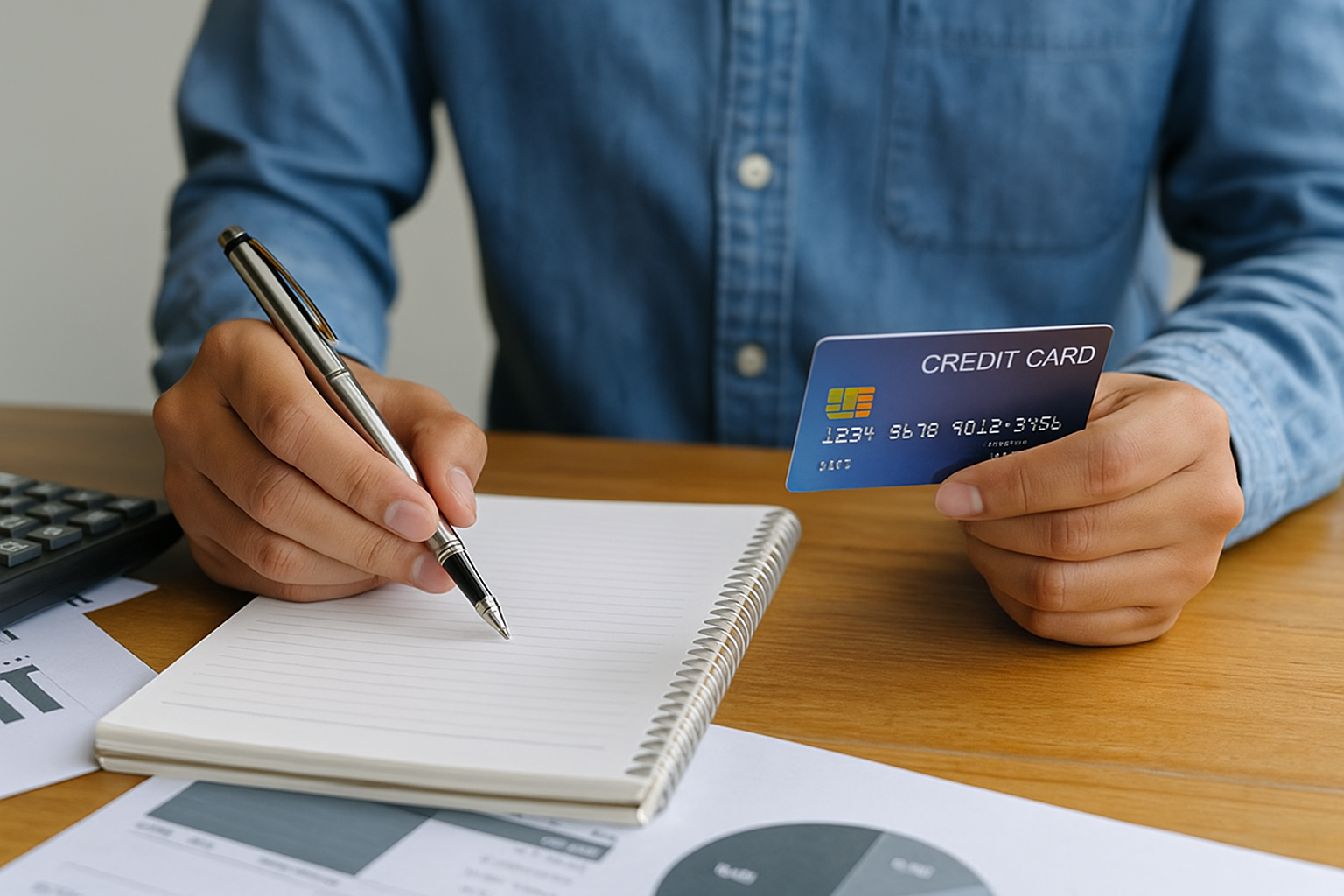
Obtaining a credit card with a bad credit score is a significant challenge many individuals face today. A low credit score can stem from various issues such as missed payments, high balances, or even identity theft. The implications of bad credit are vast, affecting your ability to secure loans, rent houses, and sometimes even job applications.
In 2026, the average FICO score in the United States sits at around 716, according to [Experian's latest data](https://www.experian.com/blogs/news/experian-april-2026-us-consumer-credit-review/). However, a bad credit score is generally considered to be anything below 580. This gap highlights the challenges faced by individuals struggling with bad credit and emphasizes the need to understand credit card approval processes despite such scores.
Why Getting a Credit Card Matters
Credit cards are essential financial tools for building or rebuilding credit scores. They offer a pathway to demonstrating financial responsibility through timely bill payments and managed credit utilization, both critical components in credit score calculations. Furthermore, having a credit card can provide a safety net for emergencies and allow access to rewards and perks.
In 2026, more financial institutions offer specialized products exclusively designed to help consumers with bad credit build a healthier credit history. These opportunities underscore the importance of understanding your options and making informed choices.
Secured vs. Unsecured Credit Cards
When pursuing a credit card with bad credit, it's crucial to distinguish between secured and unsecured credit cards:
- Secured Credit Cards: These require an upfront security deposit, which serves as collateral and typically equals your credit line. They are easier to obtain and often used by those with less favorable credit histories.
- Unsecured Credit Cards: These do not require a security deposit but are harder to qualify for with bad credit. They might come with higher interest rates and lower credit limits initially.
Steps to Getting Approved for a Credit Card with Bad Credit
With the right approach, you can improve your chances of getting approved for a credit card despite a challenging credit history. Here's a step-by-step guide to help you navigate this process.
Check Your Credit Report
Your first step should be to obtain and review your credit report. By law, you're entitled to a free report annually from each of the three major credit bureaus: Experian, Equifax, and TransUnion. As of 2026, you can access this service at [AnnualCreditReport.com](https://www.annualcreditreport.com).
Checking your report enables you to identify inaccuracies that could be negatively impacting your credit score. Dispute any inaccuracies directly with the credit bureau to potentially improve your score.
Research Credit Card Options
Research various credit cards tailored for individuals with bad credit. Some cards are purposefully designed to facilitate credit rebuilding. Aspects to consider include annual fees, interest rates, and whether the issuer reports to major credit bureaus since reporting is crucial for rebuilding credit.
Secured credit cards often have more lenient approval criteria, making them an attractive option to start with.
Limit Your Applications
Apply only for credit cards for which you have a reasonable chance of approval. Each application results in a hard inquiry on your credit report, which might slightly lower your credit score. To mitigate this, focus on one or two cards and complete prequalification checks if available to gauge your approval likelihood without affecting your score.
Improve Your Credit Score
Before applying, work on improving your credit score as much as possible:
- Pay Down Existing Debt: Reducing your debt lowers your credit utilization ratio, a critical factor in credit scoring.
- Make Consistent Payments: Ensure all bills are paid on time, as payment history is the most significant factor in credit scores.
- Consider a Credit Builder Loan: Some financial institutions offer these loans specifically to help improve credit scores through regular payments.
Common Mistakes to Avoid
Getting approved for a credit card with bad credit can be challenging, and there are common pitfalls to avoid:
- Ignoring Terms and Conditions: Always read the fine print. Understanding fees, interest rates, and penalties is crucial.
- Overextending Credit: Once approved, keep credit utilization low to avoid falling into further debt.
- Closing Old Accounts: Length of credit history impacts scores, so keep older accounts open and in good standing if possible.
Conclusion: Stay Persistent and Informed
Though securing a credit card with bad credit can seem daunting, it is achievable with strategic planning and diligence. By checking your credit report, researching options, and improving your credit score, you increase your chances of approval significantly. Remember, rebuilding credit is a journey that requires perseverance and informed decision-making. As scores rise, more opportunities will follow, ultimately creating a path toward better financial health.
- Best Credit Cards for Bad Credit in Canada (2026)
- Best Credit Cards for Bad Credit in Canada – Complete Guide
- Credit Cards for Bad Credit in Canada (NerdWallet)
- Best Credit Cards for Bad Credit Canada (Comparison List)
- Credit Cards for Bad Credit – Detailed Picks & Eligibility (NerdWallet)
- Best Secured Credit Cards in Canada (Forbes Advisor)
- Best Secured Credit Cards in Canada Guide (NerdWallet)
- Secured vs Unsecured Credit Cards Explained (Canada)