Steps to Successfully Apply for an FHA Loan Even with a 500 Credit Score
Discover how to apply for an FHA loan even with a 500 credit score! This guide explores the requirements, potential benefits, and steps to improve your chances of approval. Learn how FHA loans can be accessible to applicants with lower credit scores, and what you need to prepare.
Understanding FHA Loans
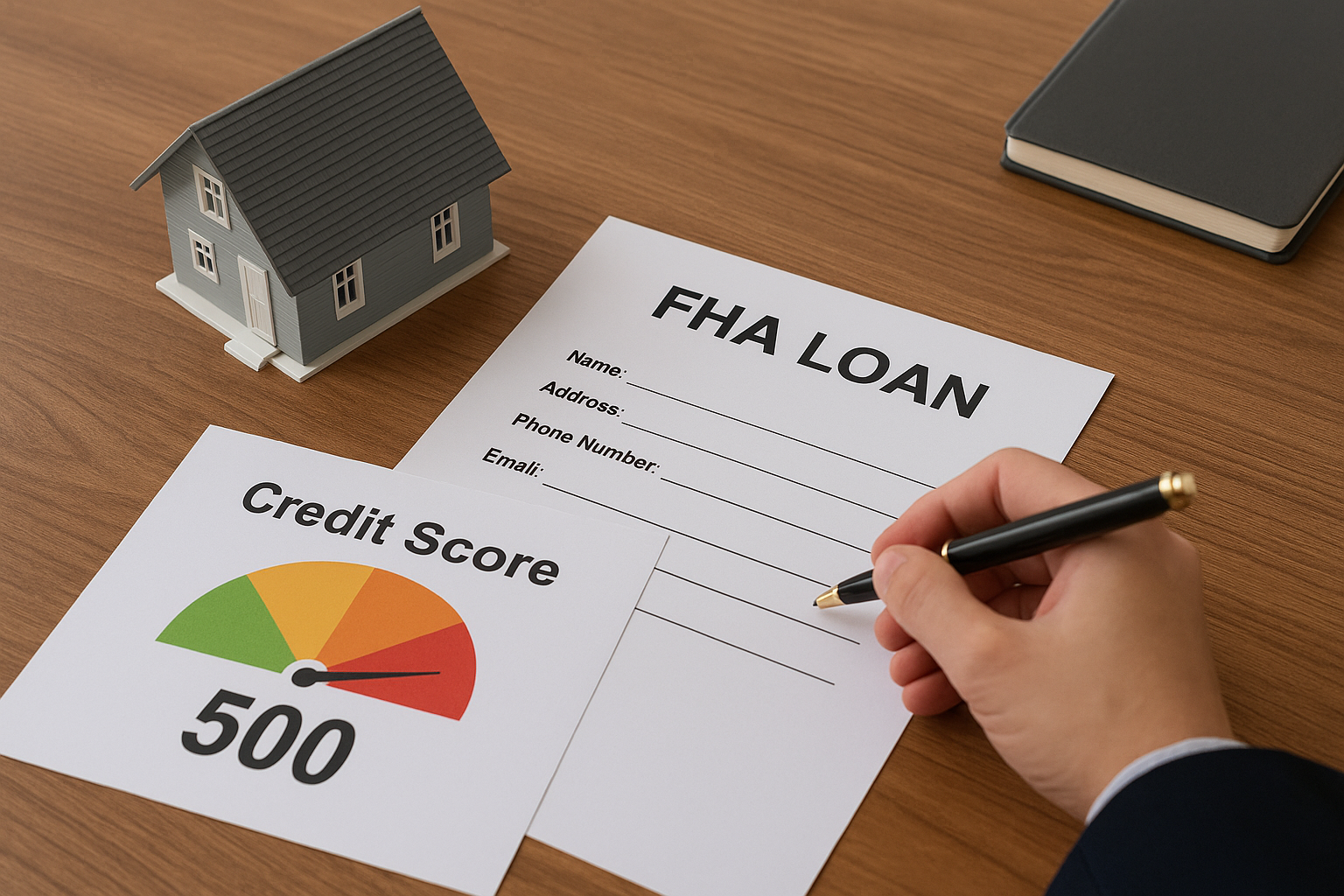
The Federal Housing Administration (FHA) loan is a type of mortgage designed to help low- to moderate-income families become homeowners, even if their credit is below standard. One of the key features of FHA loans is their flexibility in terms of credit requirements, making them a popular option for first-time homebuyers. As of 2026, borrowers with a credit score as low as 500 may qualify for an FHA loan under certain conditions.
What is an FHA Loan?
An FHA loan is insured by the Federal Housing Administration. This insurance provides lenders with a level of security, allowing them to offer loans with lower credit requirements and smaller down payments. This makes homeownership accessible to a broader audience. According to recent data from the U.S. Department of Housing and Urban Development (HUD), approximately 8 million Americans have used FHA loans to purchase homes over the past five years.
Benefits of FHA Loans
- Lower Credit Requirements: As mentioned, borrowers can qualify with a credit score as low as 500.
- Low Down Payment: FHA loans require a down payment as low as 3.5% for credit scores of 580 or higher and 10% for scores between 500 and 579.
- Assumable Mortgage: FHA loans can be assumed by the next buyer if the seller decides to sell the property.
- Flexible Debt-to-Income Ratio: Generally, borrowers can have a debt-to-income ratio up to 50% in special cases.
How to Apply for an FHA Loan with a 500 Credit Score
Applying for an FHA loan with a 500 credit score is feasible, though it requires meeting specific criteria. Here we will walk through the steps you need to take to successfully apply.
Step 1: Check Your Credit Report
Before you apply, review your credit report to ensure that there are no errors and to understand what factors are contributing to your score of 500. Lenders will look into these details. Administrative errors can sometimes lower your score, rectifying these can potentially improve your score.
Step 2: Gather Required Documentation
Preparing and organizing necessary documents can expedite the application process. You will typically need:
- Income Documentation: Recent pay stubs, W-2s, or tax returns.
- Identification: Government-issued ID.
- Bank Statements: From the past two to three months.
- Debt Information: Statements for any outstanding debts, loans, or obligations.
Step 3: Find a Participating Lender
Not all lenders offer FHA loans, and among those who do, not all will work with borrowers who have a 500 credit score. It's crucial to shop around and identify a lender who meets your specific financial needs. The official HUD website [HUD Lender List](https://www.hud.gov/program_offices/housing/sfh/lender/approved) provides a searchable list of FHA-approved lenders.
Step 4: Qualify for the Necessary Down Payment
With a credit score of 500, you will need to make a down payment of at least 10%. For a $200,000 home, for example, this would mean a down payment of $20,000. Consideration for financial assistance or grants may be necessary if you find this challenging.
Factors Influencing Loan Approval
When applying for an FHA loan with a low credit score, understanding the factors that influence approval can improve your chances:
Steady Employment History
Lenders prefer borrowers with a consistent income and long-term employment. A stable employment history of at least two years is advantageous.
Debt-to-Income Ratio
Maintaining a lower debt-to-income (DTI) ratio increases approval odds. FHA loans generally prefer DTI ratios below 43%, although some cases are approved at 50% with suitable compensating factors.
Cash Reserves
Having a reserve of savings in the form of cash savings or assets indicates financial stability, which can be a compensating factor to offset low credit scores.
Common Pitfalls and How to Avoid Them
Neglecting to Repair Credit
It is advisable to actively work on improving your credit score before applying. Simple steps like disputing inaccuracies on your credit report and paying down outstanding debts can boost your score.
Overlooking Additional Costs
FHA loans include Mortgage Insurance Premiums (MIP), which increase monthly payments. Make sure to consider these in your budget projections.
Not Exploring Other Financial Options
Investigate all available options, such as local down payment assistance programs. Websites like [Benefits.gov](https://www.benefits.gov) can direct you to applicable resources.
Conclusion
Qualifying for an FHA loan with a 500 credit score is challenging but achievable with proper preparation and understanding of lender criteria. Making educated financial decisions, maintaining steady employment, and planning your budget diligently all contribute to a successful FHA loan application. Remember, the path to homeownership is a journey—take every step wisely to secure your future.