Teas That May Support Your Body's Natural Lymphatic Health
If you're looking for a natural way to support your body's lymphatic system, incorporating specific herbal teas can be a simple and powerful tool. These botanicals are often celebrated for their ability to help reduce puffiness, encourage fluid movement, and assist in gentle detoxification.
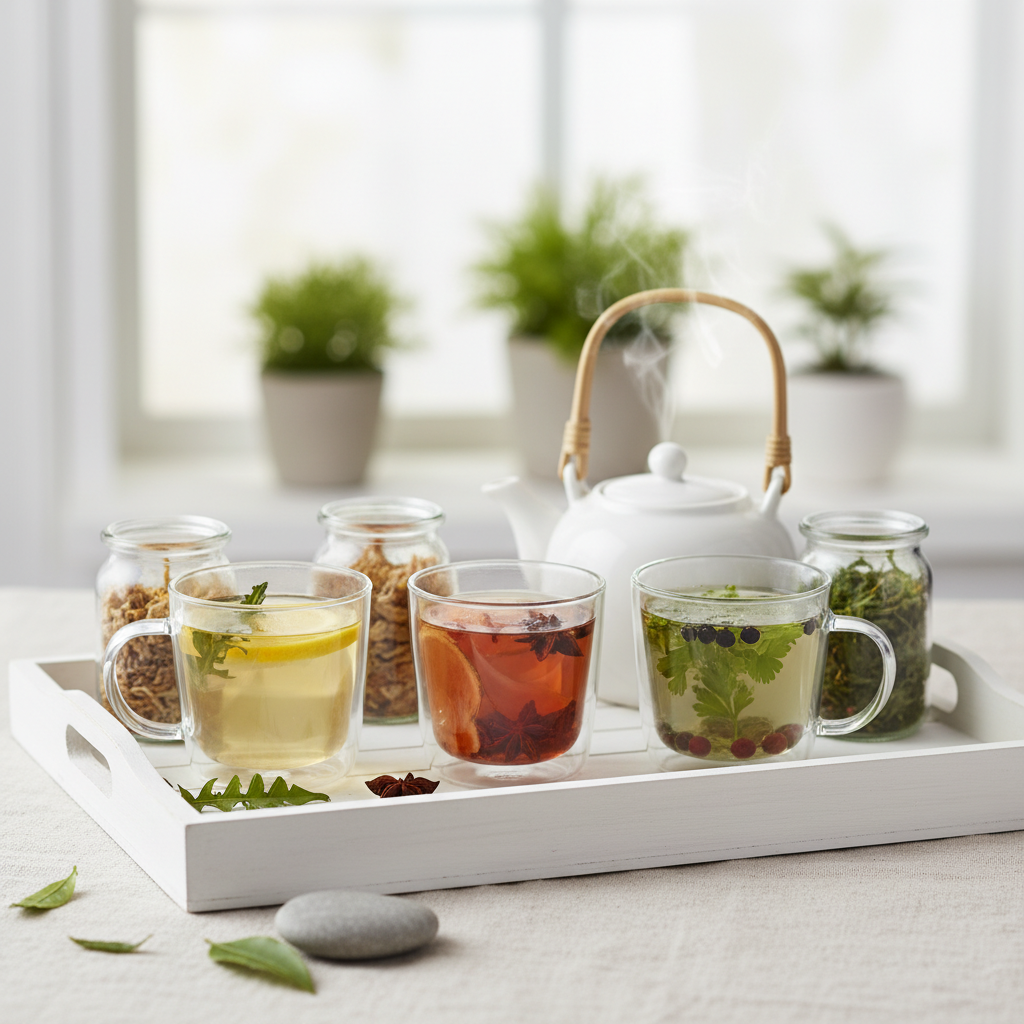
Teas That Help With Lymphatic Drainage
Top Herbal Teas for Supporting Lymphatic Drainage
The lymphatic system is a crucial part of our body's immune and circulatory systems, responsible for removing waste, toxins, and excess fluid. When this system becomes sluggish, it can lead to a variety of discomforts. Certain herbal teas have properties that are traditionally believed to support lymphatic function, helping to gently stimulate flow and reduce congestion. Below are some of the most recognized teas that may aid in this process.
1. Dandelion Root Tea
Dandelion is often seen as a common weed, but its root is a powerhouse of beneficial compounds. Dandelion root tea acts as a natural diuretic, which means it helps the body eliminate excess water. This action can reduce fluid retention and swelling, which are common signs of a burdened lymphatic system. By increasing urine output, it helps flush out toxins that the lymph system has collected.
Furthermore, dandelion root is well-known for its ability to support liver function. The liver plays a vital role in filtering waste from the blood, working in tandem with the lymphatic system. A healthy liver can more efficiently process the toxins that the lymph fluid transports, creating a more effective overall detoxification process. A warm cup of roasted dandelion root tea offers an earthy, slightly bitter flavor that many find to be a pleasant, coffee-like alternative.
2. Ginger Tea
Ginger is celebrated for its potent anti-inflammatory properties, thanks to its active compound, gingerol. Inflammation can contribute to lymphatic congestion by putting pressure on lymphatic vessels and nodes, hindering the smooth flow of lymph fluid. By helping to reduce systemic inflammation, ginger tea can alleviate this pressure and support better circulation throughout the body, including the lymphatic system.
This warming spice also stimulates circulation, which is essential for moving lymph fluid. Unlike the circulatory system, the lymphatic system does not have its own pump (like the heart). It relies on muscle movement and good overall circulation to move fluid along. The circulatory boost from ginger tea can therefore indirectly but effectively aid in promoting lymphatic drainage, helping to move stagnant fluid and waste materials.
3. Cleavers Tea
Cleavers (Galium aparine) is a classic herb in traditional herbalism, specifically renowned for its effects on the lymphatic system. It is often referred to as a "lymphatic tonic," meaning it is believed to tone, cleanse, and stimulate the movement of lymph. Herbalists have long used cleavers to address swollen glands and lymphatic congestion, as it is thought to help break down and clear blockages within the system.
This herb works by enhancing the function of lymph nodes, helping them filter waste more efficiently. It has a mild diuretic effect, which assists in flushing out the cleared toxins from the body. Cleavers tea has a light, green, and slightly sweet taste. It is particularly popular in the spring as a gentle cleansing herb to help shake off the sluggishness of winter.
4. Red Clover Tea
Red clover is another traditional herb highly regarded for its purifying qualities. It is considered an "alterative" in herbal medicine, which means it is believed to gradually cleanse the blood and improve the body's detoxification processes. This action directly supports the lymphatic system, as the lymph and blood are intricately connected in filtering and removing waste from the body's tissues.
This herb is thought to improve the flow of lymph fluid, helping to relieve stagnation and reduce the swelling of lymph nodes. Its cleansing action can be beneficial for skin issues and other conditions often linked to a burdened detoxification system. Red clover tea has a mild, sweet, and hay-like flavor, making it a pleasant and gentle option for daily support.
5. Echinacea Tea
While echinacea is most famous for its immune-boosting properties, this function is directly tied to the health of the lymphatic system. The lymphatic system is a cornerstone of immune defense, producing and transporting white blood cells that fight off infections. By stimulating immune activity, echinacea can help activate lymphatic function, particularly the role of lymph nodes in filtering out pathogens.
When the immune system is active, the lymphatic system works harder to clear out cellular debris and dead pathogens. Drinking echinacea tea, especially during times when you feel your immune system needs a boost, can therefore indirectly support lymphatic drainage and cleansing. It has a distinct, tingly taste that some find unusual but effective.
6. Nettle Tea
Stinging nettle is incredibly nutrient-rich, packed with vitamins, minerals, and chlorophyll. These nutrients help nourish the body and support its natural cleansing pathways. Nettle tea acts as a gentle diuretic, helping to flush the kidneys and eliminate metabolic waste, which reduces the overall toxic load that the lymphatic system has to manage.
Its high mineral content, particularly iron and vitamin C, also supports blood health and circulation. By ensuring the blood is well-nourished and flowing freely, nettle helps create an environment where the lymphatic system can operate more efficiently. Its flavor is earthy and rich, similar to spinach, offering a deeply nourishing and restorative beverage.
Understanding the Lymphatic System and Its Importance
Many people are familiar with the cardiovascular system, but the lymphatic system is often overlooked, despite being just as vital for our health. It's a complex network of tissues, vessels, and organs that work together to maintain fluid balance, defend against infection, and remove cellular waste. Think of it as the body's internal sanitation department.
The system is primarily composed of lymph, a clear fluid containing white blood cells; lymphatic vessels, which transport the lymph; and lymph nodes, which are small glands that filter the lymph and trap pathogens. Major organs like the spleen, tonsils, and thymus are also part of this intricate network. Unlike the circulatory system, which has the heart to pump blood, the lymphatic system relies on the contraction of surrounding muscles to move fluid. This is why physical activity is so crucial for its function.
Proper lymphatic function is essential for a robust immune system. When bacteria or viruses enter your body, lymph nodes produce immune cells to fight the infection, which is why they often become swollen and tender when you're sick. The system also plays a key role in maintaining fluid balance by collecting excess fluid from tissues and returning it to the bloodstream. Without this function, tissues would swell, a condition known as lymphedema. Maintaining a healthy lymphatic system is fundamental to overall wellness and detoxification.
Common Questions About Lymphatic Health
What Are the Signs of a Sluggish Lymphatic System?
When the lymphatic system isn't flowing efficiently, waste and toxins can build up in the body. This can manifest in a variety of subtle yet persistent symptoms. One of the most common signs is fluid retention, which can cause swelling or puffiness, particularly in the hands, feet, and ankles. You might also notice that rings feel tighter or that your socks leave deep indentations on your legs at the end of the day.
Other indicators include chronic fatigue, brain fog, and a general feeling of sluggishness. Since the lymphatic system is a key part of immunity, frequent colds, infections, or slow recovery from illness can also point to a burdened system. Some people may also experience unexplained aches and stiffness, worsening allergies, or skin issues like acne and cellulite.
Beyond Tea: Other Natural Ways to Support Lymphatic Drainage
While herbal teas can be a wonderful supportive tool, a holistic approach is most effective for maintaining lymphatic health. Regular physical activity is perhaps the most important factor. Activities like walking, jogging, yoga, and especially rebounding (jumping on a mini-trampoline) create muscular contractions that effectively pump lymph fluid through its vessels.
Staying well-hydrated is also crucial, as lymph is primarily composed of water. Dehydration can cause the fluid to thicken and become stagnant. Another popular technique is dry brushing, which involves using a natural bristle brush on dry skin in gentle, circular motions toward the heart. This practice is believed to stimulate the surface-level lymphatic vessels. Finally, deep, diaphragmatic breathing acts as a powerful pump for the lymphatic system, helping to move fluid from the lower body up into the chest.
How Often Should You Drink Herbal Teas for Support?
There is no one-size-fits-all answer, as the ideal frequency depends on the specific herb and your individual health. As a general guideline, drinking one to three cups of a supportive herbal tea per day is often considered safe and beneficial for most healthy adults. However, it's wise to start with one cup a day to see how your body responds, especially if you are new to a particular herb.
It's also a good practice to rotate the types of teas you drink. This not only provides your body with a wider range of beneficial compounds but also prevents you from overconsuming any single herb. Some herbs, like echinacea, are typically recommended for short-term use (e.g., a few weeks at a time) to support the immune system, rather than for continuous daily consumption. Always listen to your body and consider consulting with a healthcare provider or herbalist if you have pre-existing health conditions or are pregnant or breastfeeding.
Conclusion
Supporting your lymphatic system is a key component of maintaining overall health, from boosting immunity to promoting effective detoxification. Incorporating herbal teas like dandelion root, ginger, cleavers, and red clover can be a simple and enjoyable way to encourage healthy lymphatic flow. When combined with a lifestyle that includes regular movement, proper hydration, and mindful breathing, these natural remedies can help your body's internal cleansing system function at its best, contributing to greater vitality and well-being.