The Benefits of Leg Exercise Machines: A Safe and Effective Choice for Senior Home Workouts
As we age, maintaining leg strength becomes crucial for balance, mobility, and overall independence, and a home leg exercise machine is often the perfect solution. This choice isn't just about convenience; it’s about finding a safe, stable, and effective way to stay active.
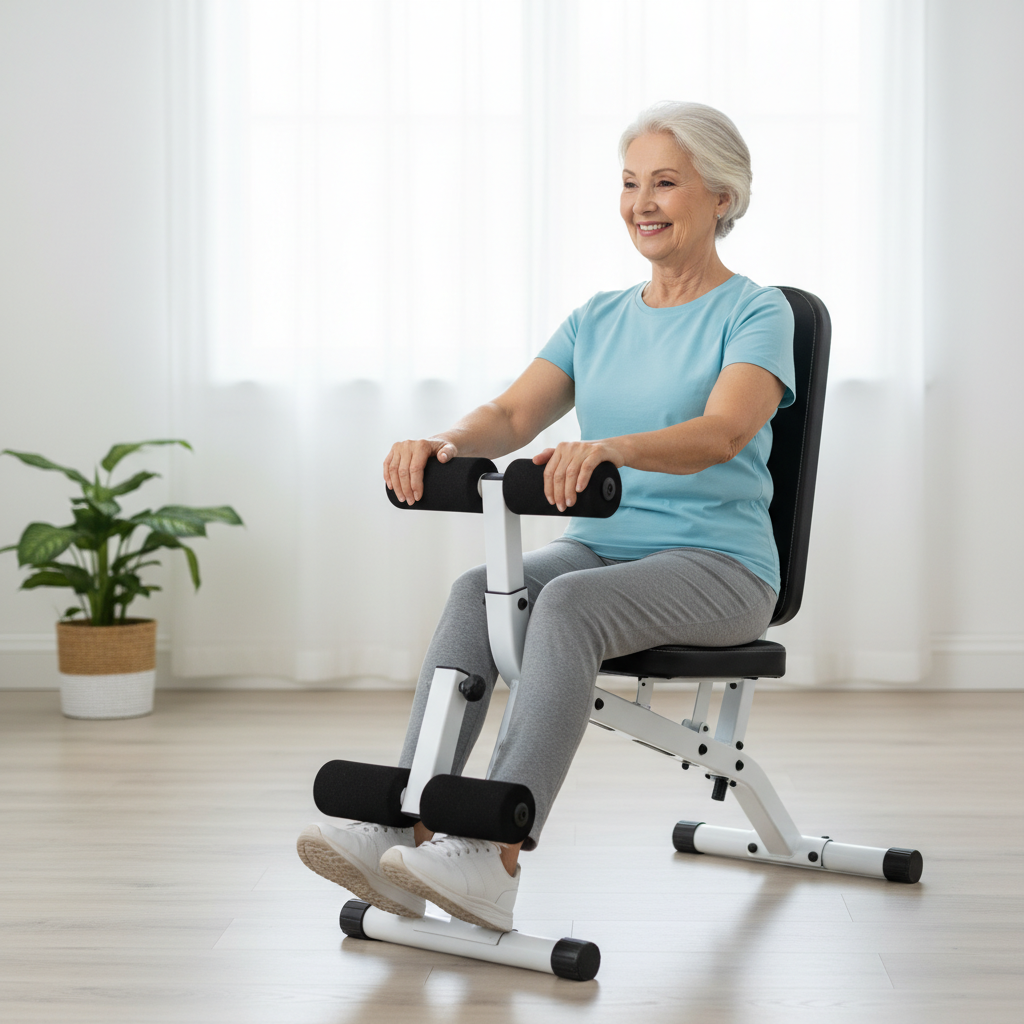
Why Many Seniors Choose Leg Exercise Machines For Home Workouts
As we age, maintaining an active lifestyle becomes increasingly important for overall health, mobility, and independence. For many seniors, the focus often shifts to safe, effective, and sustainable forms of exercise. Leg strength is a cornerstone of this effort, directly impacting balance, stability, and the ability to perform daily activities. This is why a growing number of older adults are turning to specialized leg exercise machines for their home workouts. These devices offer a structured and secure way to build and maintain lower body strength, providing numerous benefits tailored to the needs of an aging population.
Enhanced Safety and Stability
One of the most significant concerns for seniors when it comes to exercise is the risk of falls and injuries. Free-weight exercises like squats or lunges, while effective, require a great deal of balance and control that can be challenging for some. Leg exercise machines are designed to mitigate this risk. Most of these machines, such as recumbent bikes or seated leg press machines, allow the user to be comfortably seated while performing the exercise. This seated position provides a stable base of support, virtually eliminating the risk of losing balance and falling.
This built-in stability allows seniors to focus entirely on the movement and the muscles being worked, rather than dividing their attention between the exercise and staying upright. The guided motion of the machine ensures that the movements are performed with correct form, reducing the likelihood of joint strain or muscle pulls that can occur from improper technique. This creates a safe and controlled environment where individuals can confidently challenge their muscles without fear of injury.
Low-Impact on Joints
Years of activity can take a toll on joints, and many seniors live with conditions like arthritis or general joint sensitivity in their knees, hips, and ankles. High-impact exercises like running or jumping can exacerbate this discomfort and are often not a viable option. Leg exercise machines are specifically engineered to be low-impact, meaning they place minimal stress on the joints while still providing an excellent workout for the muscles.
For example, a recumbent elliptical or a seated stepper provides a smooth, fluid motion that strengthens the quadriceps, hamstrings, and glutes without the jarring impact associated with walking on hard surfaces. This makes it possible for seniors to engage in regular cardiovascular and strength-training exercise, improving circulation and muscle tone without aggravating pre-existing joint pain. This gentle approach is crucial for long-term consistency and adherence to a fitness routine.
Targeted Muscle Strengthening
As we get older, we naturally lose muscle mass in a process called sarcopenia. Counteracting this is vital for maintaining functional strength. Leg machines excel at isolating and targeting specific muscle groups in the lower body. A leg extension machine, for instance, focuses directly on the quadriceps, while a leg curl machine isolates the hamstrings. This targeted approach ensures that all major muscle groups in the legs receive adequate attention and stimulation for growth and maintenance.
This level of precision is difficult to achieve with general bodyweight exercises alone. By strengthening these specific muscles, seniors can see direct improvements in their ability to perform everyday tasks. Stronger quadriceps make it easier to stand up from a chair or climb stairs, while stronger glutes and hamstrings contribute to a more stable and powerful walking gait.
Improved Balance and Mobility
While it may seem counterintuitive that a seated machine can improve balance, the connection is direct and powerful. The primary components of good balance are strong leg muscles, a stable core, and quick neural responses. Leg machines directly address the first component by building foundational strength in the very muscles responsible for keeping you upright and steady on your feet.
When the muscles in your legs, hips, and glutes are strong, they can better support your body weight and react more quickly to sudden shifts in position, preventing a stumble from turning into a fall. Regular use of these machines enhances what is known as proprioception—your body's awareness of its position in space. This improved muscle strength and body awareness translates directly to better balance and greater confidence during daily activities like walking, shopping, or gardening.
Convenience and Accessibility
The convenience of having exercise equipment at home cannot be overstated, especially for seniors. Eliminating the need to travel to a gym saves time and removes potential barriers like transportation issues or inclement weather. A home leg machine is always accessible, allowing for short, frequent workouts throughout the day, which can be more manageable and effective than a single, longer session.
Furthermore, modern machines are designed with user-friendliness in mind. They often feature large, easy-to-read digital displays, simple resistance adjustments, and comfortable, ergonomic seating. This accessibility encourages regular use, making it easier for seniors to integrate physical activity into their daily routine and stick with it for the long haul.
Controlled and Measurable Progress
Staying motivated is key to any successful fitness plan. Leg exercise machines make it incredibly easy to track progress in a tangible way. Users can precisely control and adjust the resistance level, duration, and repetitions for each workout. This allows for a gradual and systematic increase in intensity, which is the safest way to build strength over time.
Seeing these numbers improve—whether it's adding another five minutes to a session on the recumbent bike or increasing the resistance on the leg press—provides a powerful sense of accomplishment. This measurable feedback serves as constant motivation, reinforcing the positive habit and encouraging continued effort. It turns exercise from a chore into a rewarding journey of steady improvement.
The Importance of Leg Strength in Healthy Aging
The focus on lower body strength for seniors is not arbitrary; it is rooted in the fundamental role our legs play in nearly every aspect of daily life. As we age, maintaining strong legs is one of the most effective strategies for preserving independence and ensuring a high quality of life. The muscles of the lower body—including the glutes, quadriceps, hamstrings, and calves—are the largest in the body and act as the engine for mobility.
Strong legs are the first line of defense against falls, which are a leading cause of injury among older adults. A stable base allows for better balance and quicker recovery from a misstep. Beyond fall prevention, leg strength is essential for functional independence. Simple, often overlooked actions like getting out of a bed or a low chair, walking up a flight of stairs, or carrying groceries rely heavily on the power generated by the lower body. When this strength diminishes, these tasks become difficult and, in some cases, impossible without assistance, leading to a significant loss of autonomy. From a metabolic standpoint, maintaining muscle mass in the legs also helps regulate blood sugar and maintain a healthy weight, contributing to overall cardiovascular health.
Common Questions About Senior Leg Workouts
What Types of Leg Machines Are Most Popular for Seniors?
When selecting a leg machine, seniors often prioritize safety, comfort, and ease of use. Three types consistently stand out. First, the recumbent stationary bike is extremely popular because it offers a comfortable, chair-like seat with back support. This position reduces stress on the back and hips while providing an excellent cardiovascular workout that strengthens the legs. The pedaling motion is smooth and non-impact, making it ideal for those with sensitive joints.
Second, the seated elliptical or stepper offers a similar low-impact benefit. Unlike a traditional standing elliptical, the seated version allows the user to remain supported while moving their legs in a smooth, gliding motion. This effectively works the hamstrings, quads, and glutes without any jarring. Finally, a seated leg press machine is a top choice for pure strength training. It allows users to safely push weight away from their body while their back is fully supported, isolating the major leg muscles and enabling significant strength gains in a controlled manner.
How Often Should Seniors Use Leg Exercise Machines?
Consistency is more important than intensity. For most healthy older adults, guidelines from health organizations often recommend strength training activities at least two days per week, focusing on all major muscle groups. When using leg machines, this is a great starting point. It's important to allow at least one day of rest between sessions that work the same muscles to give them time to recover and rebuild.
A typical session might last for 20 to 30 minutes. However, it's perfectly acceptable to start with shorter sessions of just 10-15 minutes and gradually increase the duration as strength and stamina improve. The focus should be on proper form and controlled movements rather than on lifting heavy or moving fast. Listening to your body is crucial; if you feel pain (not to be confused with muscle fatigue), it's best to stop and rest.
Are There Alternatives to Machines for Senior Leg Workouts?
Absolutely. While machines offer unique benefits in safety and control, they are not the only option. In fact, a well-rounded fitness routine often includes a mix of different exercise types. Bodyweight exercises are a fantastic, equipment-free alternative that can be done anywhere. For example, chair squats—where you stand up from a sturdy chair and sit back down slowly—are excellent for building functional leg strength. Standing leg raises (side, back, and front) while holding onto a counter for support can improve hip strength and balance.
Another highly effective tool is the resistance band. These inexpensive, versatile bands can be used for seated leg presses, hip abductions, and other exercises that add a safe level of resistance to strengthen the muscles around the hips and knees. Combining these types of exercises with machine workouts can lead to more comprehensive fitness, improving not just strength but also flexibility and coordination.
Conclusion
Leg exercise machines offer a compelling solution for seniors seeking to maintain their strength, mobility, and independence from the comfort of their own homes. By providing a safe, low-impact, and highly effective way to work the lower body, these devices address many of the primary concerns associated with senior fitness. They offer stability to prevent falls, targeted strengthening to combat muscle loss, and the convenience needed to build a consistent and lasting exercise habit. Ultimately, the choice to use these machines is an investment in long-term health, helping ensure that seniors can continue to lead active and fulfilling lives.
For more information on exercise for older adults, you can visit: