The Best Eye Hospitals in the United States: Where to Find Top-Rated Care
Choosing the right eye hospital is a critical health decision, and you've come to the right place for clear, reliable information. We've sifted through the rankings and research to identify the nation's premier institutions for ophthalmology.
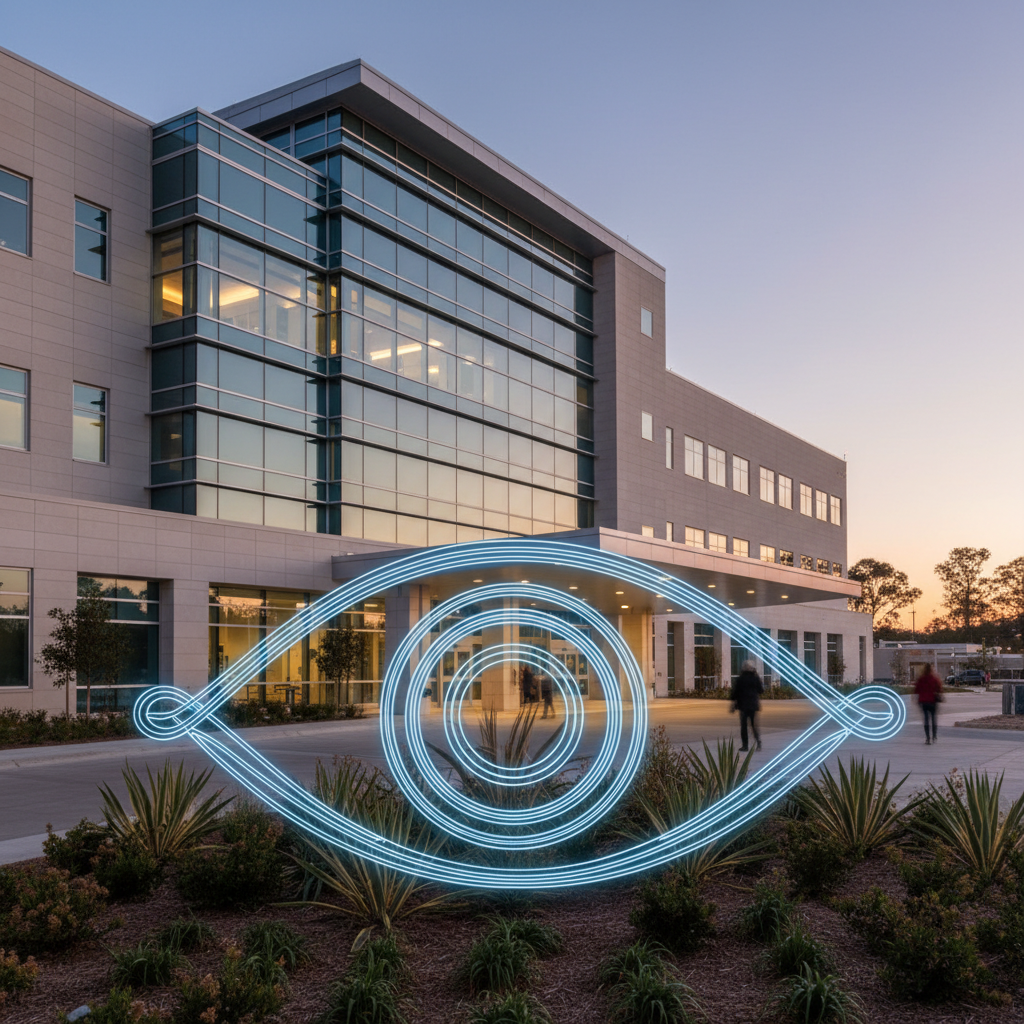
Top Rated Eye Hospitals in the US
When facing serious eye conditions, choosing the right hospital can make all the difference. The United States is home to some of the world's leading ophthalmic centers, renowned for their advanced surgical techniques, groundbreaking research, and comprehensive patient care. These institutions are consistently recognized for their excellence in treating a wide spectrum of eye diseases, from common cataracts to complex retinal disorders. This guide explores the top-rated eye hospitals in the country, highlighting what makes each of them a leader in the field of ophthalmology.
1. Bascom Palmer Eye Institute - University of Miami Hospital
Consistently ranked as the number one eye hospital in the United States by U.S. News & World Report, the Bascom Palmer Eye Institute in Miami, Florida, is a global leader in vision care. For decades, it has set the standard for ophthalmic medicine through its unwavering commitment to patient treatment, research, and education. The institute is a hub for innovation, with its physicians and scientists pioneering new treatments for conditions like macular degeneration, glaucoma, and diabetic retinopathy. Patients from all over the world travel here for its unparalleled expertise in virtually every subspecialty of ophthalmology.
What truly sets Bascom Palmer apart is its seamless integration of clinical care and research. The discoveries made in its laboratories are quickly translated into new diagnostic tools and therapies for patients. The institute boasts a team of world-renowned specialists and is equipped with the most advanced technology available for both surgery and diagnostics. From complex corneal transplants to delicate pediatric eye surgeries, Bascom Palmer provides a level of care that is both comprehensive and highly specialized, solidifying its reputation as the premier destination for eye health.
2. Wills Eye Hospital - Thomas Jefferson University Hospitals
Located in Philadelphia, Pennsylvania, Wills Eye Hospital is one of the oldest and most respected eye hospitals in the nation. As the first hospital in the United States dedicated exclusively to eye care, it has a long and storied history of excellence. Wills Eye is celebrated for its exceptional clinical services and its robust residency program, which is considered one of the most prestigious in the world for aspiring ophthalmologists. The hospital handles an incredible volume of patients, giving its physicians vast experience in managing both common and rare eye conditions.
Wills Eye Hospital is organized into specialized services, including cataract and primary eye care, cornea, glaucoma, neuro-ophthalmology, retina, and pediatric ophthalmology. This focused approach ensures that patients receive care from doctors who are true experts in their specific condition. The hospital is also a major center for clinical trials, offering patients access to cutting-edge treatments that may not be available elsewhere. Its combination of historical significance, educational leadership, and high-volume clinical expertise makes it a consistent top contender in national rankings.
3. Wilmer Eye Institute - Johns Hopkins Hospital
As part of the legendary Johns Hopkins Hospital in Baltimore, Maryland, the Wilmer Eye Institute benefits from a rich environment of medical research and collaboration. Founded in 1925, Wilmer has been at the forefront of ophthalmology for nearly a century, contributing major advancements in the understanding and treatment of eye diseases. The institute is particularly known for its groundbreaking research in genetics, retinal diseases, and glaucoma. Its scientists were instrumental in identifying the genetic markers for several inherited eye conditions, paving the way for potential gene therapies.
The patient care at Wilmer is as impressive as its research. With multiple locations, it offers a wide range of services, from routine eye exams to the most complex surgical procedures. The institute’s specialists are leaders in their fields, often pioneering surgical techniques and treatment protocols that become the standard of care worldwide. Patients at Wilmer benefit from a multidisciplinary approach, where ophthalmologists collaborate with experts from other departments at Johns Hopkins to provide holistic and comprehensive care, especially for patients with systemic diseases that affect the eyes, such as diabetes.
4. Mass Eye and Ear - Massachusetts General Hospital
A teaching hospital of Harvard Medical School, Mass Eye and Ear in Boston, Massachusetts, is a powerhouse in both ophthalmology and otolaryngology. Its ophthalmology service is world-renowned for its innovative research and exceptional patient care. The hospital is home to some of the brightest minds in vision science, who are actively working to find cures for blindness and other debilitating eye conditions. Mass Eye and Ear is a leader in developing new imaging techniques, surgical devices, and drug therapies.
The clinical services at Mass Eye and Ear cover the full spectrum of eye care, with particular strengths in treating age-related macular degeneration (AMD), glaucoma, cataracts, and corneal diseases. The hospital’s researchers were instrumental in developing anti-VEGF therapy, a revolutionary treatment that has saved the sight of millions of people with AMD and diabetic retinopathy. The collaborative environment between clinicians and scientists ensures that patients receive the most advanced care based on the latest scientific evidence, making it a top choice for those seeking cutting-edge treatment.
5. Stein and Doheny Eye Institutes - UCLA Medical Center
On the West Coast, the Stein and Doheny Eye Institutes, affiliated with the UCLA Medical Center in Los Angeles, stand out as a premier center for vision science and patient care. The combination of the Jules Stein Eye Institute and the Doheny Eye Institute has created a formidable force in ophthalmology. This collaboration brings together top-tier physicians, surgeons, and researchers dedicated to preserving and restoring sight. The institutes are known for their strong focus on translating laboratory discoveries into practical clinical applications.
The institutes offer comprehensive care across all ophthalmic subspecialties and are particularly noted for their work in uveitis, orbital diseases, and retinal disorders. They are also a major hub for education, training the next generation of ophthalmologists and vision scientists. Patients benefit from access to state-of-the-art facilities and a compassionate, patient-centered approach to care. The Stein and Doheny Eye Institutes' commitment to excellence in research, education, and clinical practice makes them one of the most respected eye care centers in the country.
How Are Eye Hospitals Ranked?
Understanding how these hospitals achieve their top ratings can provide valuable insight into what makes them exceptional. The rankings, most notably published by U.S. News & World Report, are not arbitrary. They are based on a rigorous methodology that primarily relies on expert opinion from board-certified ophthalmologists across the country.
Physicians are asked to nominate the hospitals they consider the best for handling complex and challenging eye cases, regardless of cost or location. This reputational score is a powerful indicator of a hospital's standing within the medical community. It reflects the collective judgment of professionals who are best equipped to assess the quality of care, surgical skill, and diagnostic expertise offered by their peers. A hospital that consistently earns high marks from other specialists is one that has established a long-standing track record of excellence, innovation, and successful patient outcomes.
Beyond reputation, other factors contribute to a hospital's prestige, even if they aren't directly measured in the rankings. These include the volume of research publications, the number of active clinical trials, the adoption of cutting-edge technology, and the quality of their medical training programs. Hospitals that lead in these areas are often the same ones that top the reputational surveys, as their commitment to advancing the field of ophthalmology is recognized and respected by their colleagues.
Understanding Ophthalmic Care
Navigating the world of eye care can be confusing, especially when dealing with a serious condition. Understanding the different types of professionals and knowing when to seek specialized care are crucial steps in protecting your vision.
What's the Difference Between an Ophthalmologist, Optometrist, and Optician?
While all three professionals work in eye care, their roles, education, and scope of practice are very different. An ophthalmologist is a medical doctor (MD) or a doctor of osteopathic medicine (DO) who specializes in all aspects of eye and vision care. They complete medical school followed by a residency in ophthalmology. Ophthalmologists are licensed to practice medicine and surgery. They diagnose and treat all eye diseases, perform eye surgery, and can also prescribe eyeglasses and contact lenses.
An optometrist, on the other hand, is a Doctor of Optometry (OD). They are the primary health care professionals for the eye. Optometrists examine, diagnose, treat, and manage diseases, injuries, and disorders of the visual system. They prescribe eyeglasses and contact lenses, provide low vision aids, and can prescribe medications for certain eye diseases. However, they do not perform major eye surgery. Think of them as the primary care physicians for your eyes.
Finally, an optician is a technician trained to design, verify, and fit eyeglass lenses and frames, contact lenses, and other devices to correct eyesight. They use prescriptions supplied by ophthalmologists or optometrists but do not test vision or write prescriptions themselves. They are experts in making sure your corrective lenses are tailored to your needs and fit you properly.
When Should You See a Specialist at a Top Eye Hospital?
While an optometrist is perfect for routine eye exams and managing common conditions, there are times when the expertise of a specialist at a major eye hospital is necessary. You should consider seeking care at one of these centers if you are diagnosed with a complex or advanced eye disease, such as advanced-stage glaucoma, aggressive age-related macular degeneration (AMD), or proliferative diabetic retinopathy. These conditions often require highly specialized monitoring and treatment protocols that may only be available at a leading institution.
Another reason to visit a top hospital is if you require complex surgery. Procedures like corneal transplants, retinal detachment repair, or surgery for eye tumors demand a surgeon with a high level of skill and experience. The ophthalmologists at these elite hospitals perform these surgeries frequently, leading to better outcomes. Furthermore, if you have received a serious diagnosis and want a second opinion, a specialist at a renowned hospital can provide confirmation and explore alternative treatment options you may not have been offered elsewhere.
Final Thoughts on Choosing an Eye Care Provider
Choosing an eye hospital is a significant healthcare decision, especially when facing a condition that threatens your sight. The hospitals listed here represent the pinnacle of ophthalmic care in the United States, distinguished by their expert physicians, pioneering research, and unwavering dedication to patient outcomes. They provide hope and cutting-edge treatments for thousands of patients each year. While your local ophthalmologist can manage many eye conditions effectively, knowing that these world-class centers of excellence exist is reassuring for anyone needing complex, specialized care for their vision.
For more information, you can refer to these resources: