The Best Sunglasses for Protecting Your Eyes from Macular Degeneration
If you have macular degeneration, you know that choosing sunglasses is about much more than just style—it's about actively protecting your vision and enhancing contrast. The right pair can significantly improve your comfort and ability to see clearly in bright conditions.
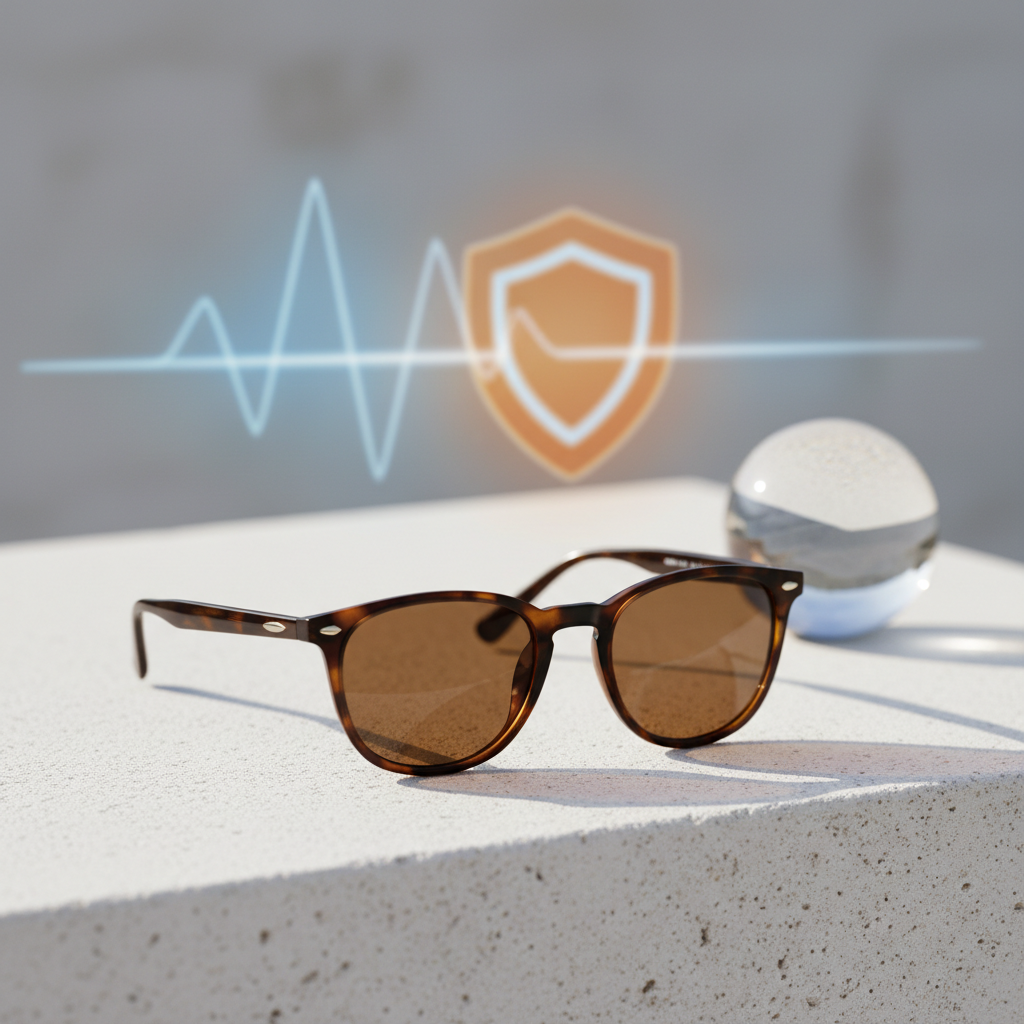
Key Features to Look for in Sunglasses for Macular Degeneration
Choosing the right sunglasses when you have macular degeneration (AMD) is about more than just style or dimming bright sunlight. It's a critical step in protecting your remaining vision, enhancing visual comfort, and improving contrast. The right pair of lenses can significantly reduce glare and filter out harmful light, making daily activities easier and safer. When shopping for sunglasses, individuals with AMD should prioritize specific features over brand names or price tags.
1. 100% UV Protection is Non-Negotiable
The single most important feature of any pair of sunglasses, especially for someone with macular degeneration, is complete protection from ultraviolet (UV) radiation. UV light is a known risk factor that can accelerate damage to the retina. The macula, the part of the retina affected by AMD, is particularly vulnerable. When light enters the eye, the lens focuses it onto the macula, and this includes damaging UV rays.
Look for sunglasses explicitly labeled "UV400" or "100% UVA/UVB protection." This designation means the lenses block all light rays with wavelengths up to 400 nanometers, which covers the entire spectrum of UVA and UVB rays. Don't be fooled by dark tints; the darkness of a lens has no bearing on its ability to block UV light. In fact, wearing dark lenses without proper UV protection can be more dangerous than wearing no sunglasses at all, as it causes your pupils to dilate, allowing even more harmful UV radiation to enter the eye.
2. Specific Lens Tints for Contrast Enhancement
For people with AMD, a major challenge is reduced contrast sensitivity, which makes it difficult to distinguish between objects and their backgrounds. Certain lens colors are exceptionally good at filtering out the scattered, hazy blue light in the atmosphere that causes glare and reduces contrast. This selective filtering makes the visual world appear sharper and more defined.
The most commonly recommended tints are in the yellow, amber, orange, and brown spectrum. Yellow and amber lenses are excellent for low-light conditions, such as on overcast days or for indoor use, as they significantly boost contrast. Orange and brown lenses are often preferred for general outdoor use in bright sunlight. They provide excellent blue light filtering and contrast enhancement while also being dark enough to reduce overall brightness and prevent squinting. It's often beneficial to have different pairs for different lighting conditions.
3. Blue Light Filtering Capabilities
High-Energy Visible (HEV) light, commonly known as blue light, is a topic of ongoing research regarding its effect on retinal health. While its role in the progression of AMD is not definitively proven, many eye care professionals believe that long-term exposure can contribute to oxidative stress on the retina. Since the macula is already compromised in people with AMD, minimizing any potential source of damage is a prudent step.
The yellow, amber, orange, and brown tints mentioned above are naturally effective at blocking a significant portion of the blue light spectrum. When looking for sunglasses, you may see them marketed as "blue blockers." These lenses are specifically designed to filter out the highest-energy, shortest-wavelength light, which can help reduce visual static and improve comfort, particularly when viewing digital screens or under harsh fluorescent lighting.
4. Polarization for Glare Reduction
Glare is a significant problem for individuals with macular degeneration, whose eyes are already struggling to process clear images. Glare occurs when light reflects off flat, smooth surfaces like water, pavement, snow, or the hood of a car. This reflected light is horizontally polarized and creates an intense, blinding sheen that washes out detail and causes discomfort.
Polarized lenses contain a special chemical filter that blocks this intense horizontal light, dramatically reducing glare. For someone with AMD, this can be transformative. It can make driving safer, enjoying a day at the beach more comfortable, and simply walking on a sunny sidewalk less challenging. While polarization is a separate feature from UV protection or tint, it is a highly recommended addition for anyone dealing with the light sensitivity and glare issues common with AMD.
5. Wraparound Styles and Maximum Coverage
The effectiveness of sunglasses is not just about the lenses; the frame design plays a crucial role. Light doesn't just enter your eyes from the front. It can also leak in from the top, bottom, and sides of the frame, reflecting off the back surface of the lens and into your eye. This peripheral light can create distracting glare and expose your eyes to harmful UV rays.
To combat this, look for frames that offer maximum coverage. Wraparound styles are ideal as they curve to fit the contour of your face, providing a barrier against peripheral light. If a wraparound style isn't comfortable, choose large frames that sit close to your face. Features like side shields or a prominent brow bar can also offer extra protection, ensuring your eyes are fully shielded from damaging light from all angles.
Understanding Macular Degeneration and Light Sensitivity
To fully appreciate why these specific sunglass features are so important, it helps to understand what happens to the eye in macular degeneration. AMD is a progressive disease that affects the macula, a small area in the center of the retina responsible for sharp, detailed central vision. This is the vision you use for reading, driving, and recognizing faces.
As AMD progresses, the light-sensitive cells in the macula, known as photoreceptors, become damaged and die. This leads to symptoms like blurry or distorted central vision, dark spots, and a diminished ability to see colors. A significant consequence of this cellular damage is a dramatic increase in light sensitivity (photophobia) and difficulty dealing with glare. The eye's natural ability to adapt to changing light levels is impaired, and bright light can become overwhelming and painful, causing the visual scene to appear washed out.
Furthermore, the macula is rich in pigments that naturally help filter blue and UV light. As these cells degrade, this natural protection is lost, making the remaining cells even more vulnerable to light-induced damage. This is why filtering specific wavelengths of light with specialized sunglasses is not just about comfort—it's a critical defensive strategy to help preserve the function of the remaining healthy retinal cells.
Related Questions and Topics
Can the Right Sunglasses Stop Macular Degeneration from Getting Worse?
This is a common and important question. Currently, there is no cure for macular degeneration, and wearing sunglasses cannot stop or reverse the damage that has already occurred. However, they play a crucial protective role. Think of it like applying sunscreen to your skin. Sunscreen doesn't reverse sun damage, but it protects you from further harm. Similarly, sunglasses designed for AMD protect the delicate macular cells from the stress and potential damage caused by UV and high-energy blue light.
By consistently shielding your eyes from this harmful radiation, you can help slow down the processes that contribute to the disease's progression. It's a key part of a comprehensive management strategy that also includes a healthy diet rich in antioxidants (like leafy greens), not smoking, and regular check-ups with your ophthalmologist or optometrist. The sunglasses act as a constant, daily shield for your vulnerable retina.
Are Expensive Sunglasses Better for Macular Degeneration?
There is a widespread misconception that a higher price tag automatically equals better protection. This is not necessarily true. The protective value of a pair of sunglasses is determined by its features, not its brand name or cost. An inexpensive pair of sunglasses from a drugstore can offer 100% UV protection, just like a high-end designer pair.
The key is to read the label and ensure it specifies "100% UVA/UVB protection" or "UV400." Where cost can sometimes make a difference is in the quality of the lens material and coatings. More expensive lenses might have better optical clarity (less distortion), more durable scratch-resistant coatings, and more advanced polarization films. However, for the primary purpose of protecting your eyes from AMD-related light issues, you can find very effective and affordable options. Focus on finding lenses with the right protective features and a frame that provides excellent coverage, regardless of the price.
What About Wearing Sunglasses Indoors?
For many with advanced macular degeneration, even indoor lighting can feel overwhelmingly bright and cause significant glare. Harsh fluorescent lights, bright LED bulbs, and glare from windows can make indoor environments challenging. In these cases, wearing lightly tinted lenses indoors can provide significant relief and improve visual function.
Lenses with a light yellow or amber tint are often ideal for indoor use. They don't dim the environment too much but are very effective at filtering the blue light emitted by screens and overhead lighting, which helps to enhance contrast and reduce visual discomfort. It's important, however, not to wear very dark sunglasses indoors for extended periods. This can cause your eyes to "dark adapt," making them even more sensitive to light when you take the glasses off. The goal is to find a balance with a light tint that provides comfort without overly darkening your vision.
Conclusion
For individuals living with macular degeneration, sunglasses are an essential tool for both protection and visual enhancement. The priority should always be on function over fashion. By focusing on key features—complete UV400 protection, contrast-enhancing tints like amber or brown, effective polarization, and a frame style that offers maximum coverage—you can significantly reduce visual stress and protect your eyes from further damage. It is always best to discuss your specific visual needs with an eye care professional who can provide personalized recommendations for your condition and lifestyle.
For more information from authoritative sources, you can visit: