The Best Vitamins for Skin Repair: Promoting Healthy and Radiant Skin
While there isn't one single 'magic' vitamin for skin repair, a powerful team of nutrients works in synergy to heal, protect, and rebuild.
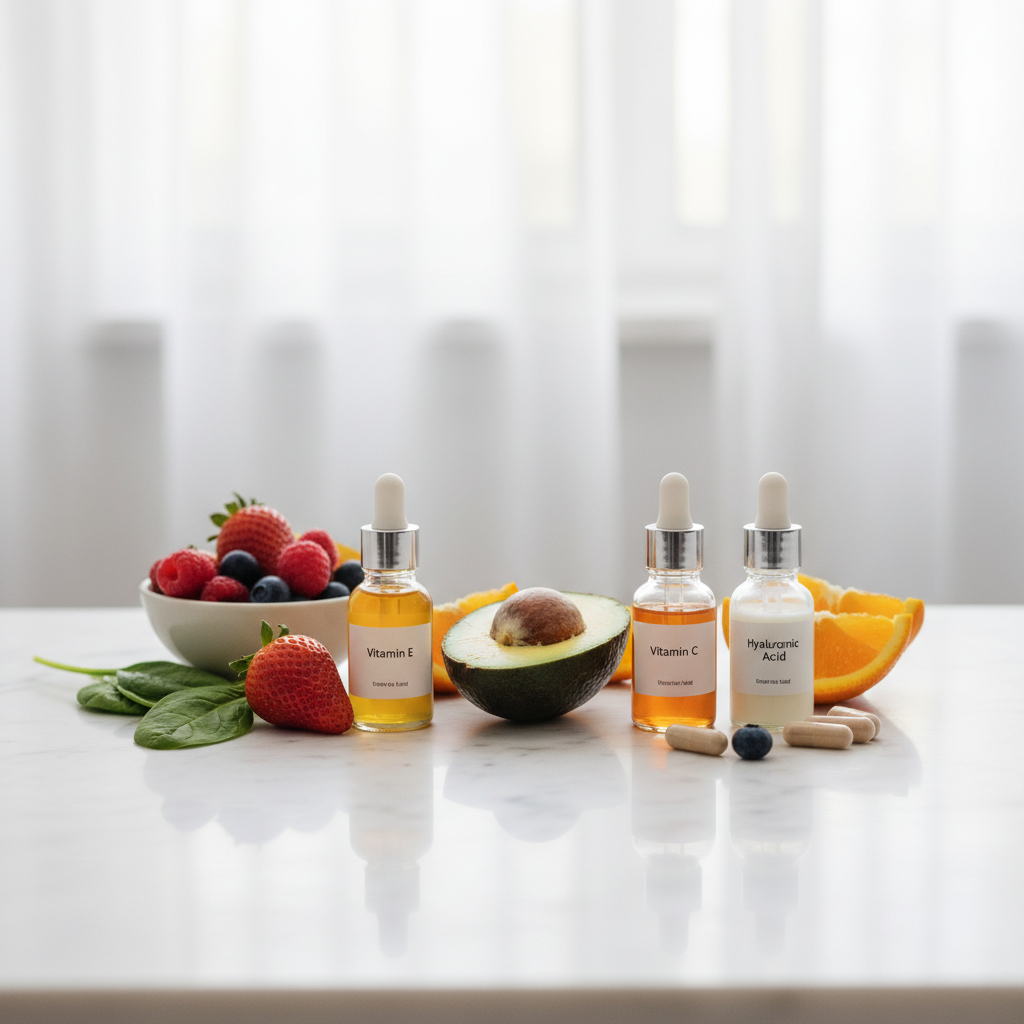
The Top Vitamins for Effective Skin Repair
The Powerhouse Vitamins Your Skin Needs to Heal
Our skin is the body's largest organ, a resilient barrier that constantly protects us from the outside world. From minor cuts and scrapes to sun damage and acne, our skin is perpetually in a state of repair. This intricate process relies heavily on a steady supply of essential nutrients, particularly vitamins. Each vitamin plays a unique and crucial role in rebuilding tissue, fighting inflammation, and maintaining a healthy, vibrant complexion. Understanding which vitamins are most effective can empower you to support your skin's natural healing capabilities from the inside out and the outside in.
Vitamin C: The Collagen Builder
When it comes to skin repair, Vitamin C is arguably the most famous and well-researched nutrient. Its primary role is as an essential cofactor in the synthesis of collagen, the protein that provides skin with its structure, firmness, and elasticity. Without adequate Vitamin C, the body cannot produce collagen effectively, leading to poor wound healing, weak skin, and premature wrinkles. When your skin is damaged, your body rushes to create new collagen fibers to knit the tissue back together, and Vitamin C is the engine that drives this critical process.
Beyond collagen production, Vitamin C is a powerful antioxidant. It helps neutralize free radicals—unstable molecules generated by UV radiation and pollution that damage skin cells and accelerate aging. By scavenging these damaging molecules, Vitamin C protects existing collagen from degradation and helps reduce inflammation, which is a key part of the initial healing response. This dual action of building new tissue and protecting existing structures makes it indispensable for repairing everything from surgical scars to sun spots.
Vitamin E: The Protective Antioxidant
Vitamin E is a fat-soluble antioxidant that works in tandem with Vitamin C to protect the skin. Its main function is to safeguard cell membranes from oxidative stress, particularly the damage caused by sun exposure. When UV rays hit the skin, they create free radicals that can disrupt cellular function and break down collagen and elastin. Vitamin E absorbs the energy from this UV light, preventing it from penetrating deeper and causing harm. This makes it a vital component in preventing long-term damage and supporting the repair of sun-stressed skin.
In addition to its protective qualities, Vitamin E has potent anti-inflammatory properties. It can help calm and soothe irritated skin, reduce redness, and promote a more even healing process. Its moisturizing benefits also play a role in repair; by helping to seal moisture into the skin barrier, it keeps the healing environment hydrated, which is essential for new cells to form and migrate properly. This is why it's a common ingredient in products designed to treat scars and burns.
Vitamin A: The Cellular Renewal Agent
Vitamin A and its derivatives, known as retinoids, are superstars of cellular communication and renewal. This vitamin is crucial for stimulating cell turnover, the process of shedding old, damaged skin cells and replacing them with new, healthy ones. This rapid renewal is essential for repairing surface damage, improving skin texture, and fading post-inflammatory hyperpigmentation (the dark spots left behind by acne or injuries). By accelerating this cycle, Vitamin A helps to smooth the skin's surface and promote a more even tone.
Furthermore, Vitamin A plays a direct role in stimulating the fibroblasts in the deeper layers of the skin, which are the cells responsible for producing collagen and elastin. This helps to rebuild the skin's foundational support structure, making it effective for not only surface repair but also for improving the appearance of fine lines and deeper scars over time. Its ability to regulate oil production also makes it a key vitamin for managing acne and preventing the initial damage that leads to scarring.
Vitamin D: The Skin Health Modulator
Often called the "sunshine vitamin," Vitamin D is synthesized by the skin in response to sunlight. While its role in bone health is well-known, its importance for skin repair is equally significant. Vitamin D plays a critical role in skin cell growth, differentiation, and repair. It helps modulate the body's immune response within the skin, which is crucial for managing inflammatory conditions like psoriasis and eczema and for orchestrating a balanced wound-healing process.
A deficiency in Vitamin D can impair the skin's barrier function and slow down the healing process. It's essential for the production of antimicrobial peptides in the skin, which act as a first line of defense against infection in open wounds. By controlling inflammation and supporting the growth of new, healthy skin cells, Vitamin D ensures that the repair process is efficient and effective, reducing the risk of complications.
Vitamin K: The Bruise and Scar Healer
Vitamin K is primarily known for its essential role in blood clotting. This function is the first and most critical step in healing any wound that breaks the skin. By helping proteins form a clot, Vitamin K stops bleeding and creates a protective scaffold for new tissue to begin forming. This is why it's often recommended for post-operative care to help reduce bruising and swelling. By promoting faster coagulation, it minimizes blood leakage into surrounding tissues, which is what causes the discoloration of a bruise.
Beyond its role in clotting, some research suggests that topical Vitamin K can help with the appearance of dark under-eye circles, which are often caused by pooled blood in the delicate capillaries under the eyes. It is also believed to assist in the healing of certain skin conditions involving vascular issues, such as spider veins and rosacea, by strengthening capillary walls and improving circulation to aid the repair process.
B-Complex Vitamins: The Unsung Heroes
The family of B vitamins contains several key players in skin health and repair. Vitamin B3 (Niacinamide) is particularly noteworthy for its ability to strengthen the skin's lipid barrier. A strong barrier retains moisture more effectively and is better at keeping out irritants, creating an optimal environment for healing. Niacinamide also has anti-inflammatory properties and can help reduce redness and blotchiness associated with acne and rosacea.
Another important B vitamin is B5 (Pantothenic Acid). Often used in skincare as panthenol, it acts as a humectant, drawing moisture into the skin and holding it there. This deep hydration is vital for the healing process, as it keeps the skin flexible and supports the cellular functions required for repair. Vitamin B5 has been shown to accelerate the healing of skin wounds by stimulating cell proliferation, making it a soothing and effective ingredient for post-procedure or damaged skin.
Understanding the Skin's Natural Repair Process
To fully appreciate how vitamins contribute to skin health, it's helpful to understand the body's innate healing mechanism. Skin repair is a complex and highly organized biological cascade that occurs in distinct but overlapping phases. The moment an injury occurs, whether it's a paper cut or a sunburn, the body initiates a response to control the damage and begin rebuilding.
The first phase is Inflammation. Blood vessels constrict to limit bleeding, and clotting factors, activated by Vitamin K, form a plug. Soon after, the vessels dilate to allow immune cells, plasma, and antibodies to flood the area. This is what causes the characteristic redness, swelling, and warmth of a fresh wound. This inflammatory response cleans the wound of debris and pathogens. The second phase is Proliferation, where the focus shifts to rebuilding. Fibroblasts, powered by nutrients like Vitamin C and A, migrate to the site and start producing collagen to form a new extracellular matrix. New blood vessels form to supply the healing tissue with oxygen and nutrients. The final phase is Remodeling or Maturation. Over weeks, months, or even years, the newly laid collagen is reorganized and strengthened, and the wound contracts to close the gap. The resulting scar tissue gradually gains strength and fades. Each of these phases requires specific cellular actions that are fueled and regulated by the vitamins we consume and apply.
Frequently Asked Questions About Vitamins for Skin Health
Can You Get Enough Skin-Repairing Vitamins from Diet Alone?
For most healthy individuals, a well-balanced diet rich in fruits, vegetables, lean proteins, and healthy fats is the best way to obtain the vitamins necessary for skin repair. Eating a colorful variety of foods ensures you get a broad spectrum of nutrients. For example, citrus fruits, bell peppers, and broccoli are packed with Vitamin C. Carrots, sweet potatoes, and leafy greens provide Beta-carotene, which the body converts to Vitamin A. Nuts, seeds, and avocados are excellent sources of Vitamin E.
However, certain factors can make it difficult to get adequate amounts through diet alone. Restrictive diets, digestive issues that impair nutrient absorption, or increased needs due to chronic illness or significant injury might warrant supplementation. While supplements can be beneficial in these cases, it's crucial to approach them as a complement to, not a replacement for, a healthy diet. Consulting with a healthcare provider is always recommended before starting a new supplement regimen to ensure it's appropriate for your individual needs.
What Is More Effective: Topical Application or Oral Supplements?
The debate between topical (applied to the skin) and oral (ingested) vitamins is common, but the truth is that both methods are effective and serve different purposes. They often work best together. When you ingest a vitamin, it enters your bloodstream and is distributed throughout your entire body, nourishing skin cells from the inside out. This systemic approach is essential for long-term foundational health and for providing the building blocks for processes like collagen synthesis.
Topical application, on the other hand, delivers a high concentration of a specific vitamin directly to the target area. This is particularly effective for antioxidants like Vitamin C and E, as it allows them to directly combat free radicals on the skin's surface caused by UV and pollution. A Vitamin C serum, for instance, can provide a level of antioxidant protection that would be difficult to achieve through diet alone. The best strategy is often a dual approach: ensuring adequate intake through diet or supplements to support internal processes while using well-formulated topical products to address specific surface concerns and provide direct protection.
How Do Lifestyle Choices Impact Vitamin Efficacy for Skin?
Your lifestyle choices have a profound impact on your skin's health and its ability to utilize vitamins for repair. Chronic sun exposure is one of the biggest culprits of skin damage. UV radiation generates a massive amount of free radicals, which can quickly deplete your skin's natural antioxidant reserves, including Vitamin C and E. This means that even if your intake is adequate, the vitamins are being used up faster than they can be replenished, hindering the repair process. This is why daily sunscreen is non-negotiable for skin health.
Similarly, habits like smoking introduce toxins into the body that constrict blood vessels, reducing blood flow and the delivery of oxygen and nutrients (including vitamins) to the skin. This severely impairs the healing process. High stress levels can increase cortisol, a hormone that can break down collagen and trigger inflammation. Conversely, getting enough sleep, staying hydrated, and managing stress all support the body's natural repair cycles, allowing the vitamins you consume to work as efficiently as possible.
A Holistic Approach to Skin Repair
Supporting your skin's ability to repair itself involves more than just one "magic" vitamin. True skin health relies on a synergistic team of nutrients working together. Vitamins C, E, A, D, K, and the B-complex family each play a distinct and vital role in the complex processes of wound healing, cellular renewal, and protection from environmental damage. By focusing on a nutrient-rich diet, considering targeted topical treatments, and adopting healthy lifestyle habits, you can provide your skin with all the essential tools it needs to heal effectively and maintain its strength and radiance for years to come.