The Essential Checklist: What You Need to Know About Full Coverage Car Insurance Before Buying
Before choosing full coverage car insurance, there are key factors you should consider to ensure you get the best fit for your needs. Understanding what full coverage car insurance includes can help you make an informed decision.
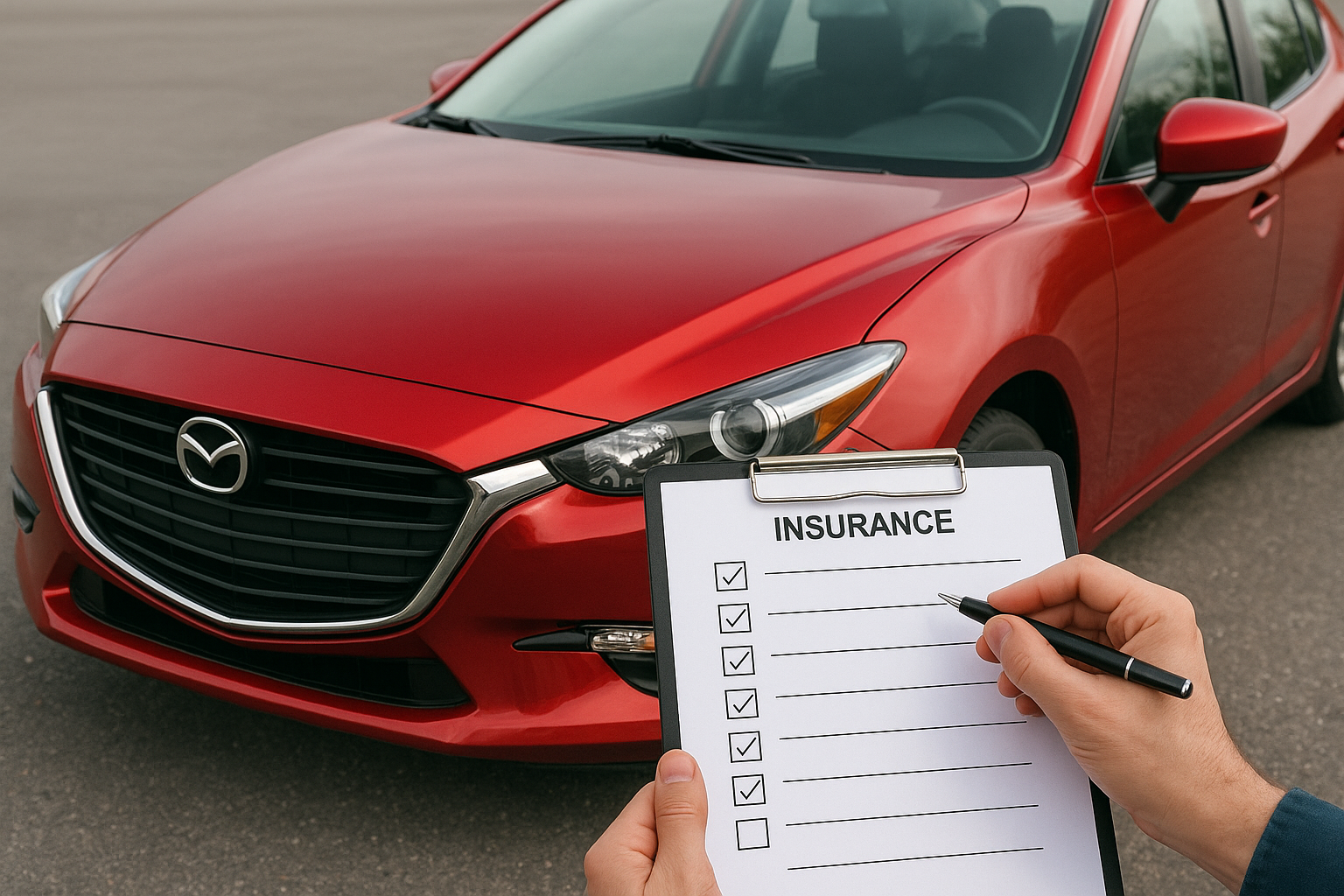
Understanding Full Coverage Car Insurance
Before opting for full coverage car insurance, it’s crucial to understand what it entails. Full coverage car insurance typically includes three main components: liability coverage, collision coverage, and comprehensive coverage. Each part plays a vital role in protecting your vehicle and financial health in different scenarios.
Liability Coverage is the foundation of most car insurance policies. It covers bodily injury and property damage you cause to others. Most states require a minimum amount of liability coverage by law, but remember that these minimums might not be sufficient in severe accidents.
Collision Coverage pays for damage to your car resulting from a collision with another vehicle or object. It ensures that your car can be repaired or replaced, regardless of who is at fault for the accident.
Comprehensive Coverage protects your vehicle from non-collision-related incidents such as theft, vandalism, natural disasters, or collisions with wildlife.
Why Full Coverage is Often Recommended
Full coverage is often recommended because it offers a broad spectrum of protections. For new or expensive vehicles, carrying full coverage is a way of safeguarding your investment. Moreover, lenders often require full coverage as part of the financing agreement until the loan is paid off.
In 2026, the average cost of full coverage car insurance in the United States was approximately $1,674 annually. However, prices can vary significantly based on driver's age, location, driving record, and the make and model of the vehicle. [Source]