The Essential Guide to a Standard Commercial Office Cleaning Checklist
Discover what is typically included in a standard commercial office cleaning checklist, which ensures a tidy and welcoming workplace. From cleaning common areas to maintaining restrooms, learn about the key components that are generally included.
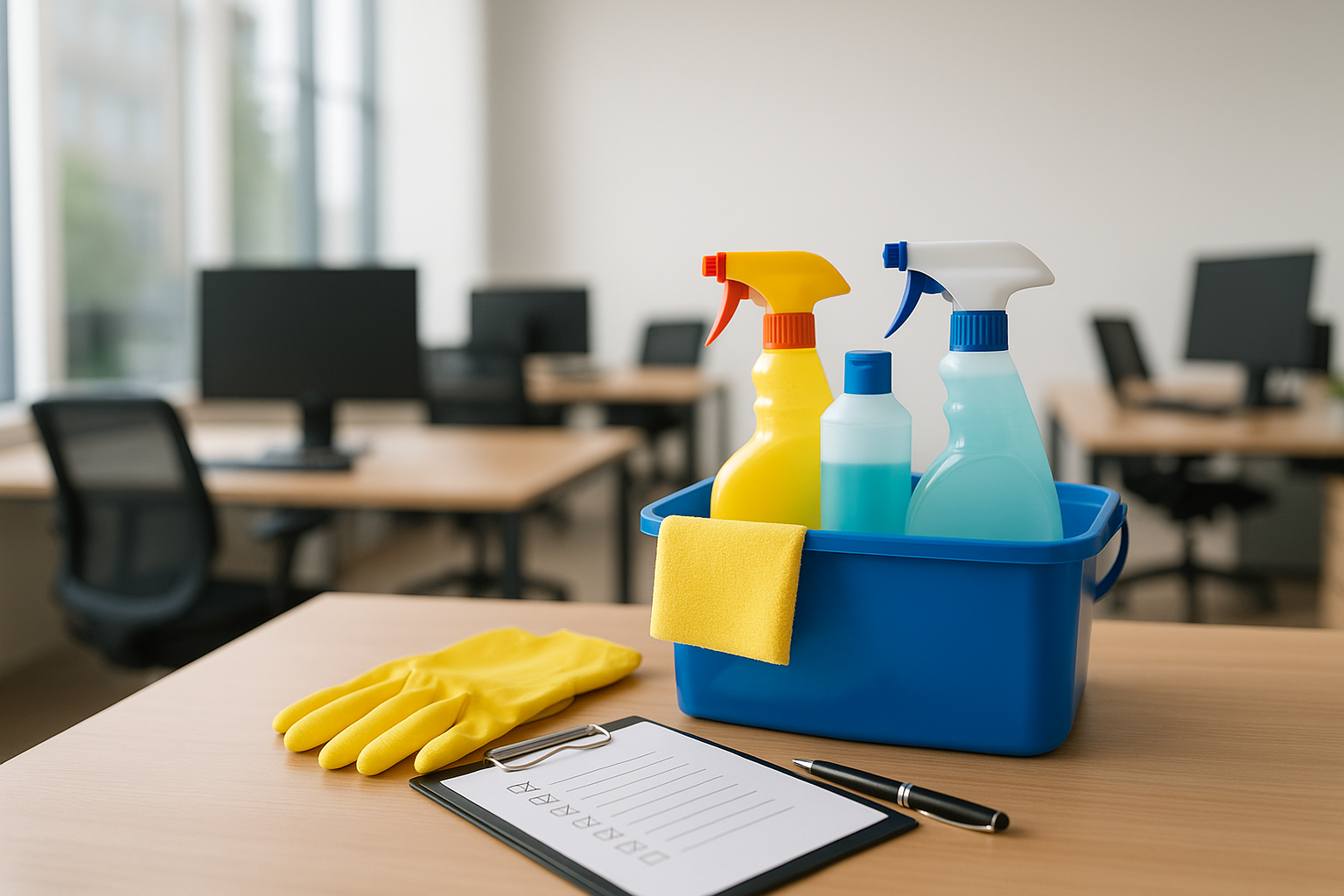
Understanding the Standard Commercial Office Cleaning Checklist
Maintaining a clean and hygienic office environment is crucial for the health, productivity, and morale of employees. A well-structured cleaning checklist ensures that all areas of the office are attended to consistently. But what exactly is included in a standard commercial office cleaning checklist? This article dives deep into the components and importance of such a checklist.
Why a Cleaning Checklist is Essential
A commercial office cleaning checklist serves as a guideline for cleaning personnel to systematically address every part of the office environment. It helps in maintaining sanitation standards, ensuring no area is overlooked. Office environments can host multiple individuals daily, and without a proper cleaning routine, the risk of spreading germs and reducing air quality increases.
- Enhanced Productivity: A clean office reduces distractions and fosters a more productive work environment.
- Health Benefits: Regular cleaning decreases the spread of illnesses and allergens.
- Extended Asset Life: Proper maintenance lengthens the lifespan of furniture and office equipment.
Components of a Standard Commercial Office Cleaning Checklist
The components of a cleaning checklist can vary based on specific office requirements and size but generally include several key areas:
1. Reception Area
The reception is the face of your office. It’s where first impressions are made, so keeping it immaculate is vital.
- Dusting and sanitizing surfaces, including reception desks and chairs.
- Cleaning glass doors and windows to remove fingerprints and smudges.
- Vacuuming or mopping floors regularly to maintain a pristine appearance.
2. Workstation and Common Areas
Work areas and communal spaces are high-traffic zones that require meticulous attention.
- Wiping down desks, chairs, and computer equipment to remove dust and germs.
- Sanitizing phones, keyboards, and other frequently touched devices.
- Emptying trash bins and replacing liners.
- Cleaning carpets or mopping floors to remove dirt and stains.
3. Meeting Rooms
Used regularly for client meetings and internal discussions, these rooms should reflect professionalism.
- Cleaning tables and chairs to maintain cleanliness.
- Checking projectors, speakers, and other devices for dust accumulation.
- Arranging furniture to ensure room orderliness and accessibility.
4. Break Rooms and Kitchens
These are areas where food is often consumed, thus requiring stringent cleaning routines.
- Cleaning and disinfecting countertops, sinks, and faucets.
- Wiping down appliances such as microwaves, refrigerators, and coffee machines.
- Restocking kitchen supplies like cutlery, napkins, and coffee.
- Checking for expired food items and disposing of them responsibly.
5. Restrooms
Maintaining restrooms is critical for health and hygiene.
- Disinfecting toilets, urinals, sinks, and flush handles.
- Restocking essentials like toilet paper, soap, and hand towels.
- Cleaning mirrors and ensuring outlets are free of debris and stains.
Adapting to COVID-19: Enhanced Cleaning Procedures
The pandemic has heighted the demand for cleaning protocols that go beyond the standard checklist. According to recent studies, enhancing cleaning frequency and using EPA-approved disinfectants is crucial. Offices now incorporate special measures such as:
- Frequently disinfecting high-touch areas like door handles, elevator buttons, and light switches.
- Implementing touchless technology to minimize contact.
- Installing air purifiers to enhance indoor air quality.
The CDC recommends cleaning high-touch surfaces daily to curtail virus transmission, underscoring the importance of evolving office cleaning practices.
Choosing a Professional Cleaning Service
While some businesses might opt for in-house cleaning, many benefit from contracting professional cleaning services renowned for their expertise and resource efficiency. Here’s what to consider when selecting the right service:
- Experience and Reputation: Check client testimonials and the company’s track record.
- Customization: Ensure they offer services tailored to your specific needs.
- Environmentally Friendly Practices: Confirm their use of sustainable products and techniques.
According to a report by Grand View Research, the global commercial cleaning services market is expected to reach USD 468.2 billion by 2026, reflecting the growing demand for professional cleaning services equipped with modern cleaning strategies.
Conclusion: Maintaining a Spotless Office for Success
By following a comprehensive commercial office cleaning checklist, businesses can ensure a clean, safe, and welcoming environment for both employees and visitors. Adapting to new health standards and utilizing professional services are strategic measures that can lead to sustained workplace excellence. A clean office isn't just about appearances; it's an integral part of overall business success.