The Future of Backyard Apartments: Navigating Design and Regulation Trends in 2026
Discover the latest trends in backyard apartments in 2026 and explore the key factors that influence their design and regulations. With increasing demand, these creative solutions offer unique opportunities for homeowners and designers alike.
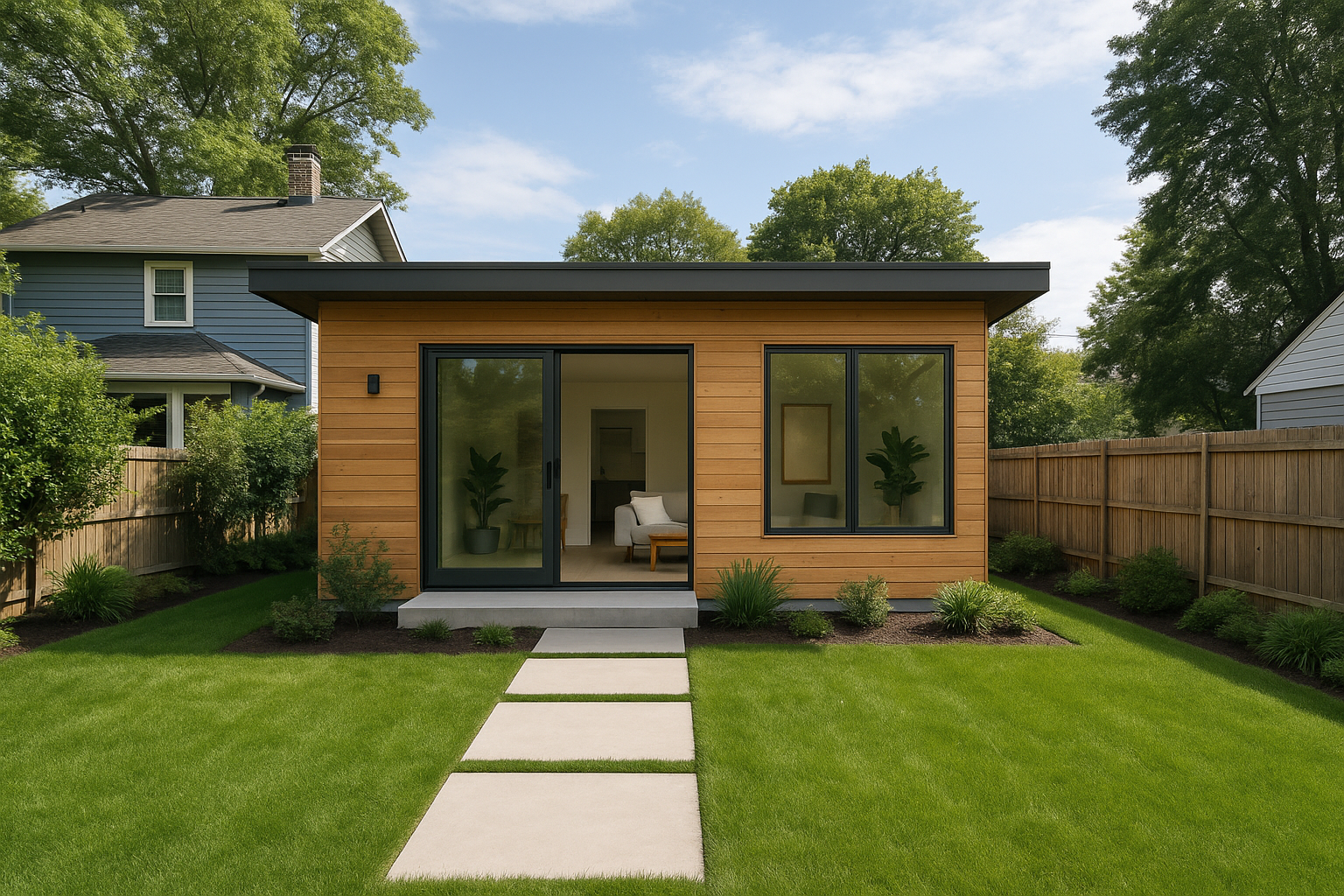
The Rise of Backyard Apartments in 2026
Backyard apartments, also known as Accessory Dwelling Units (ADUs), have become an increasingly popular housing solution across various urban and suburban landscapes. As we approach 2026, more homeowners are exploring the benefits of adding these auxiliary living spaces to their properties, driven by factors such as urbanization, housing shortages, and evolving regulations. Backyard apartments offer a promising solution to maximize limited space efficiently while providing an additional income stream or living space for extended family members.
Factors Influencing Design in 2026
1. Sustainability and Eco-Friendly Materials
One of the most significant trends influencing backyard apartment designs in 2026 is the emphasis on sustainability. Builders and homeowners alike are prioritizing eco-friendly materials and energy-efficient designs. Advances in building technologies enable the integration of solar panels, recycled materials, and systems to reduce water consumption, such as gray water systems and xeriscaping.
Recent innovations include eco-bricks made from recycled plastic and advancements in thermal insulation that reduce energy consumption. With environmental regulations becoming stricter, using sustainable materials is not just an option but a necessity.
2. Technological Integration
Incorporating smart technology has become a critical aspect of designing backyard apartments. Home automation systems that control lighting, temperature, and security can now be effortlessly integrated into these dwellings, enhancing convenience and safety. Devices like smart thermostats and energy management systems allow residents to monitor and reduce their energy usage, contributing to both cost savings and environmental goals.
Moreover, advancements in solar energy use and smart grid technology have made it possible for backyard apartments to operate independently from the main grid, further promoting energy efficiency. These technologies are crucial in states with frequent electricity issues, where self-sufficiency can be an invaluable asset.
Regulatory Considerations in 2026
1. Zoning and Permitting
In 2026, regulatory frameworks around ADUs are evolving to accommodate the growing demand while ensuring neighborhood compatibility. Many cities have streamlined the zoning and permitting processes to encourage backyard apartment development. For example, cities like Los Angeles and Portland have introduced ADU-specific zoning codes that simplify requirements and reduce permit processing times.
While more cities are relaxing regulations, regional variations persist. It is crucial for potential ADU builders to understand local zoning laws, which may affect the size, height, setback, and occupancy rules of their proposed structures. Engaging with local planning offices remains an essential step in ensuring compliance with the latest regulations.
2. Financial Incentives and Challenges
To encourage ADU development, some local governments are offering financial incentives, including tax breaks, grants, and low-interest loans. These incentives can help offset the initial costs of construction, making backyard apartments more accessible to a broader range of homeowners.
However, challenges such as rising construction costs and the availability of skilled labor continue to present obstacles.Despite these challenges, the potential rental income from ADUs can provide a significant return on investment, especially in high-demand rental markets.
Benefits of Backyard Apartments
1. Addressing Housing Shortages
Backyard apartments offer a practical solution to the ongoing housing shortage in many urban areas. They provide additional housing without requiring new land developments, thereby preserving valuable land resources. Cities across the globe are recognizing the role of ADUs in increasing the housing supply while maintaining community character.
2. Supporting Multigenerational Living
Another significant benefit of backyard apartments is their ability to support multigenerational living arrangements. Families can keep aging parents close by, provide living space for young adults, or accommodate extended family members. This arrangement can strengthen family bonds while ensuring privacy and independence for each household.
Conclusion
As backyard apartments continue to gain traction in 2026, understanding the key factors influencing their design and regulation is crucial for homeowners considering this option. With advancements in sustainable materials, smart technologies, and evolving regulatory frameworks, ADUs offer a flexible, innovative solution to address modern housing challenges. For those interested in backyard apartments, engaging with local authorities and staying informed about the latest developments will be essential steps toward success.
https://www.landisconstruction.com/news/accessory-dwelling-units-explained-what-is-an-adu-and-should-you-consider-one
https://www.perpetualhomesadu.com/new-2026-california-adu-laws
https://goldenstatede.com/modern-house-design-trends/
https://maccoyhomesolutions.com/blog/designing-an-adu-that-feels-like-it-belongs-exterior-trends-for-2026/
https://www.magicboxtinyhouse.com/prefab-adu-guide/
https://freedomroom.com/blogs/news/backyard-rental-zoning-laws-and-adu-regulations-for-homeowners?
https://www.homesandgardens.com/gardens/outdated-backyard-trends-2026