The Hidden Ways Plantar Warts Spread in Your Home
Yes, the virus that causes plantar warts is contagious, and your own home is one of the most common places for it to spread. It thrives in the warm, moist environments of shared spaces, turning bathroom floors, damp towels, and even carpets into potential transmission zones.
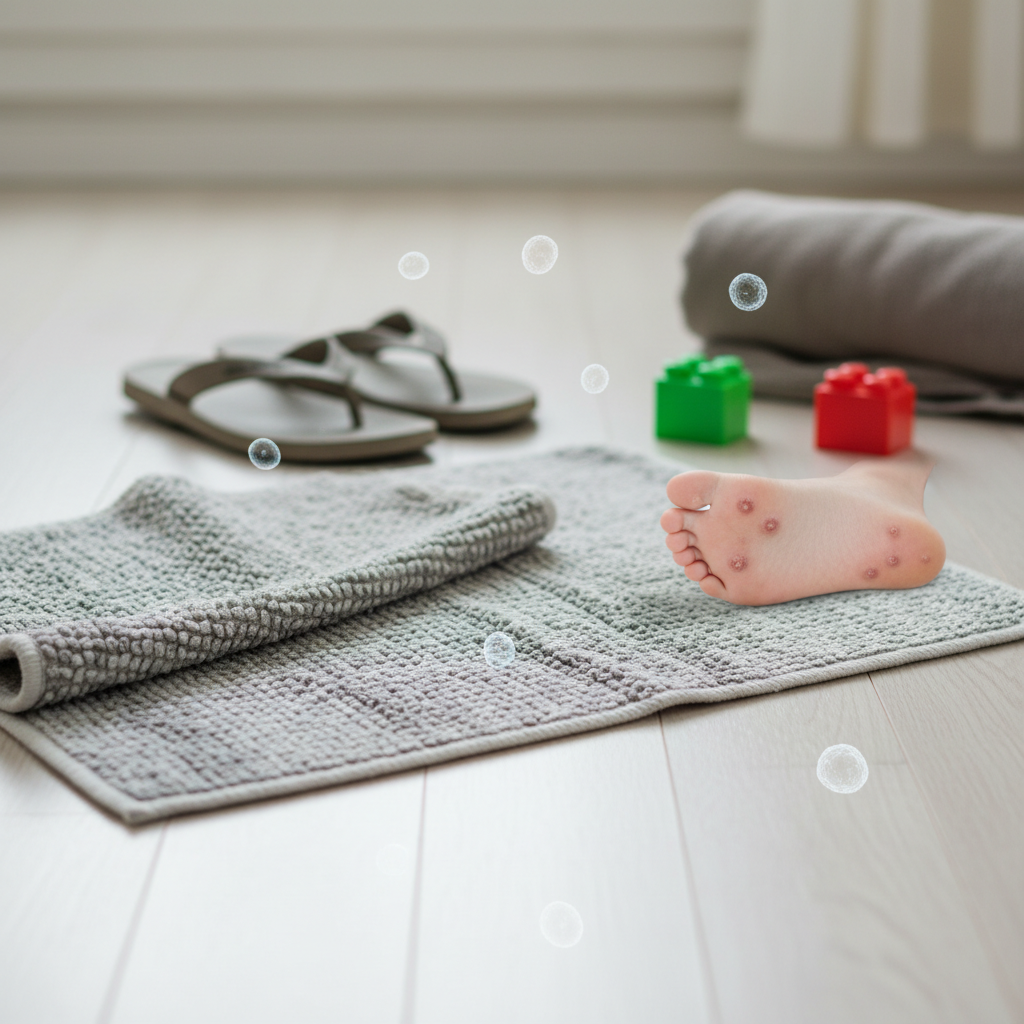
Plantar warts, those stubborn and often painful growths on the soles of the feet, are a common nuisance. Caused by the human papillomavirus (HPV), they are highly contagious. While many people associate their spread with public places like swimming pools and locker rooms, your own home can be a significant breeding ground for transmission. Understanding how these warts can travel from person to person, or even from one part of your body to another, is the first step in preventing a household outbreak.
The virus that causes plantar warts thrives in warm, moist environments, and unfortunately, many areas in a typical home fit this description perfectly. From the shared family bathroom to personal care items, the opportunities for the virus to find a new host are plentiful. Protecting yourself and your family requires awareness of the key transmission routes within your living space.
Primary Ways Plantar Warts Spread in a Household
The spread of plantar warts is all about contact with the specific strains of HPV that cause them. This contact can happen in several distinct ways within the confines of your home, often without you even realizing it.
Direct Skin-to-Skin Contact
This is the most straightforward method of transmission. If a person with a plantar wart touches the foot of another household member, the virus can be transferred. This might happen inadvertently, such as feet brushing against each other while sitting on a couch, or during activities like a parent helping a child put on shoes. The virus can enter the new host's skin through minuscule cuts, scrapes, or weak spots, which are incredibly common on the feet from daily wear and tear.
While it might seem like a low risk, this direct contact is a primary reason why warts can spread among close family members. Children, in particular, are susceptible due to their often-less-developed immune systems and their tendency to go barefoot and play in close proximity to others.
Contaminated Surfaces: Floors, Showers, and Bath Mats
The HPV virus is remarkably resilient and can survive on surfaces for some time after being shed from a wart. As a person with a plantar wart walks barefoot, microscopic particles of infected skin can flake off and settle on floors. This makes hardwood floors, tiles, and especially carpets potential sources of infection for anyone else who walks barefoot in the same area.
The bathroom is a prime location for this type of spread. The warm, damp floor of a shower or bathtub is an ideal environment for HPV to linger. When someone with a plantar wart showers, the virus can be washed off their foot and onto the tub floor, where it waits for the next person. Similarly, shared bath mats can harbor the virus, easily transferring it from one family member to another as they step out of the shower.
Sharing Personal Items
Many common household items can become vehicles for spreading the plantar wart virus. Anything that comes into direct contact with an infected foot and is then used by another person poses a risk. This is because the virus can survive on these objects, waiting for a new opportunity to infect.
Key items to be wary of sharing include towels, socks, shoes, and foot care tools. For example, if a towel is used to dry a foot with a wart and then used by someone else, the virus can be easily passed. The same logic applies to pumice stones, nail clippers, or foot files, which can create tiny abrasions in the skin, making viral entry even easier. It's crucial for each family member to have their own dedicated set of these personal care items.
Autoinoculation: Spreading Warts on Your Own Body
It’s also possible to spread the wart virus from one location on your own foot to another. This is known as autoinoculation. If you scratch, pick at, or try to shave a wart, you can transfer viral particles to your fingers or under your fingernails. If you then touch another part of your foot, especially an area with a small cut or scrape, you could start a new wart.
This is why it's so important to avoid touching or tampering with existing warts. If you are treating a wart, be sure to wash your hands thoroughly with soap and water both before and after applying any medication. This simple step can prevent the wart from multiplying and spreading across the sole of your foot or even to your other foot.