The Life-Saving Benefits of Fall Alert Wearable Health Trackers
A fall can happen in an instant, but a modern wearable health tracker provides an immediate, life-saving response.
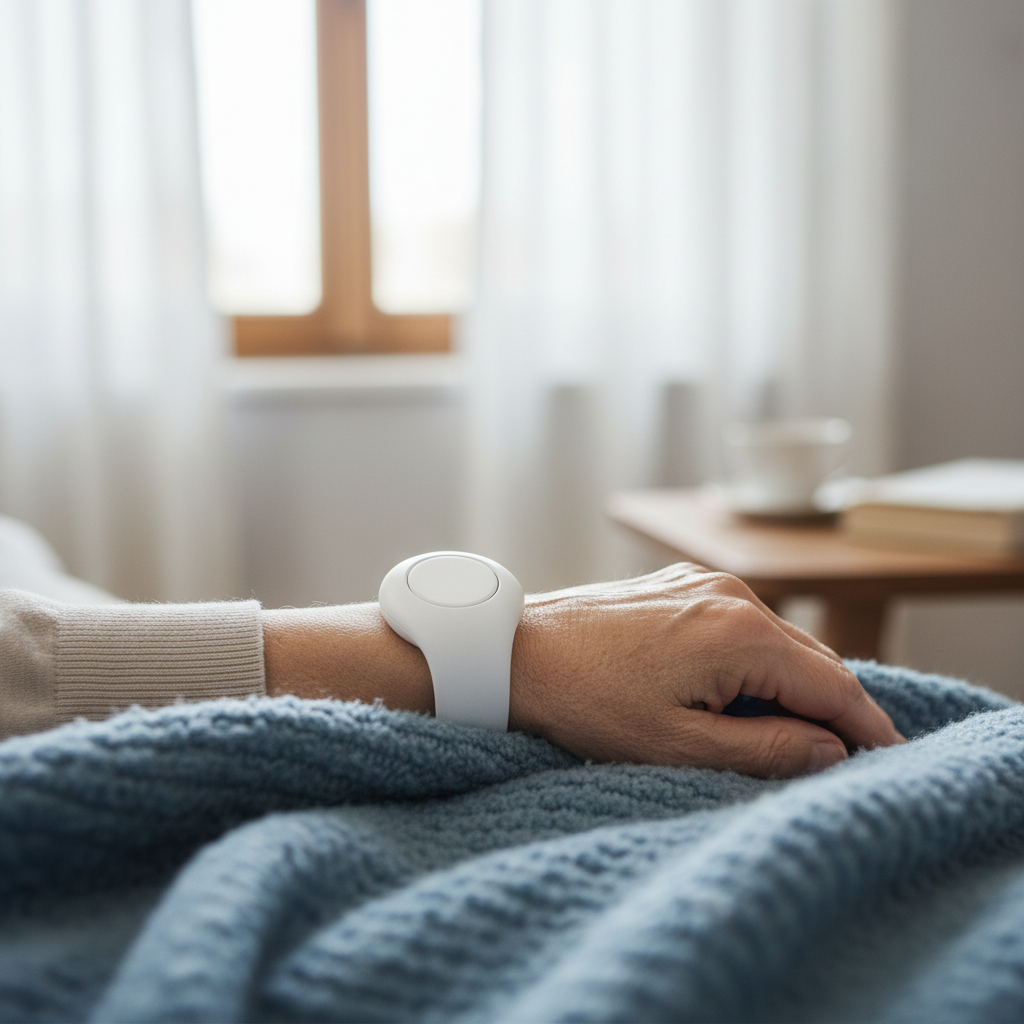
For many older adults and individuals with mobility or health concerns, the fear of falling can be a constant source of anxiety, limiting their independence and quality of life. A fall can lead to serious injury, and the time it takes to receive help is often a critical factor in the outcome. This is where fall alert wearable health trackers have become a revolutionary tool, acting as a silent guardian that can automatically summon help when it's needed most. These devices blend sophisticated technology with user-friendly design to provide peace of mind for both the wearer and their loved ones.
By understanding how these devices work, from the sensors that detect a fall to the communication systems that alert emergency services, we can appreciate the profound impact they have on personal safety. They represent a significant leap forward from traditional emergency pendants, offering automated, intelligent assistance that can function both inside and outside the home. Let's explore the specific features and technologies that make these wearables genuine lifesavers.
Key Technologies Behind Lifesaving Fall Alerts
The magic of a fall alert wearable isn't a single feature but a combination of several advanced technologies working in harmony. Each component plays a crucial role in accurately detecting a fall, locating the individual, and connecting them with help as quickly as possible.
Advanced Accelerometers and Gyroscopes: The Core of Detection
At the heart of any fall detection device are highly sensitive motion sensors, primarily an accelerometer and a gyroscope. An accelerometer measures changes in velocity and acceleration along different axes. When a person falls, their body experiences a unique sequence of movements: a sudden, rapid descent followed by an abrupt stop or impact. The device's algorithm is trained to recognize this specific signature, distinguishing a genuine fall from everyday movements like sitting down quickly, bending over, or even dropping the device itself.
The gyroscope complements this by measuring orientation and angular velocity. It helps the device understand the body's positioning in space. For example, it can detect a sudden change from an upright to a horizontal position. By combining data from both sensors, the wearable can build a highly accurate picture of the user's movements. Modern algorithms analyze the speed of the descent, the force of the impact, and the lack of subsequent movement to determine if a hard fall has occurred, significantly reducing the likelihood of false alarms.
GPS and Location Services: Pinpointing for Help
Detecting a fall is only the first step; knowing where the fall occurred is just as critical, especially for active individuals who are not always at home. This is where Global Positioning System (GPS) technology becomes invaluable. Most modern fall alert wearables are equipped with a built-in GPS chip that can pinpoint the user's exact location with remarkable accuracy. When an alert is triggered, this location data is automatically transmitted to the monitoring center or designated emergency contacts.
This feature is a game-changer. If a person falls while gardening, walking the dog, or running errands, emergency services won't have to waste precious time searching. They are given precise coordinates, a street address, or a landmark, enabling them to reach the individual much faster. Some devices also utilize Wi-Fi and cellular triangulation as a backup for when a GPS signal is weak, such as inside large buildings, ensuring location services are as reliable as possible.
Two-Way Communication: Speaking Directly to Responders
Once a fall is detected, the best devices don't just send a silent alarm. They initiate a two-way voice call directly through a built-in speaker and microphone. This allows the wearer to speak with a trained operator at a professional monitoring center. The operator can assess the situation, ask if the person is conscious or injured, and provide reassurance while help is on the way. This human connection is incredibly calming during a stressful and frightening event.
This feature also serves as a crucial failsafe against false alarms. If the device triggers an alert accidentally, the user can simply tell the operator, "I'm okay, it was a false alarm," and the emergency dispatch can be canceled. If the user is unable to speak, the operator assumes it is a real emergency and immediately dispatches help to their GPS location, ensuring that even an unresponsive individual receives the care they need.
Heart Rate Monitoring: Providing Crucial Context
Many advanced health trackers with fall detection also include continuous heart rate monitoring. While not a direct part of the fall detection algorithm, this data can provide vital context to emergency responders. For instance, if a fall is triggered and the device simultaneously detects an abnormally low, high, or irregular heart rate, it could indicate a more serious underlying medical event, such as a heart attack or stroke, that may have caused the fall.
When this information is relayed to the monitoring center and then to first responders, it allows them to arrive on the scene better prepared to treat the specific medical emergency. This integration of health data transforms the device from a simple fall detector into a more comprehensive health monitoring tool, offering a more complete picture of the user's well-being during a crisis.
The Evolution from Pendants to Smart Wearables
The concept of a personal emergency alert system is not new. For decades, the technology was defined by the simple, push-button pendant often seen in commercials with the famous line, "I've fallen, and I can't get up!" These early Personal Emergency Response Systems (PERS) were revolutionary for their time, giving seniors a way to call for help from anywhere in their home. However, they had significant limitations. They relied on the user being conscious and physically able to press the button, were often limited by a base station's range, and offered no functionality outside the house.
The rise of mobile technology, miniaturized sensors, and the Internet of Things (IoT) has completely transformed this landscape. Today's fall alert wearables are sleek, discreet devices—often indistinguishable from modern smartwatches or fitness trackers. The key difference is the automation. They no longer rely solely on the user to activate an alert. By incorporating the sophisticated sensors discussed earlier, they can detect a fall and call for help automatically, even if the user is unconscious or disoriented. The integration of GPS and cellular technology untethered these devices from the home, providing protection wherever the user goes and fostering a greater sense of freedom and independence.
Common Questions About Fall Alert Technology
As this technology becomes more common, many potential users and their families have important questions about its reliability, cost, and functionality. Understanding these details is key to making an informed decision.
How Accurate Is Fall Detection, Really?
This is one of the most critical questions, and the answer is that accuracy has improved dramatically over the years. No system is 100% perfect, and both false positives (the device alerts when no fall occurred) and false negatives (the device fails to alert when a fall did occur) are possible. However, manufacturers use sophisticated algorithms that analyze millions of data points to minimize these errors. They are specifically designed to distinguish between hard falls—the kind most likely to cause serious injury—and other movements.
Most devices also incorporate a manual override. After a suspected fall is detected, the device will often vibrate or make a sound, giving the user a 30- to 60-second window to cancel the alert if they are okay. This simple feature helps prevent unnecessary emergency calls while ensuring that help is automatically dispatched if the user is unable to respond. Ultimately, while not infallible, the technology is reliable enough to be a trusted safety net in most situations.
Do All Fall Alert Devices Require a Monthly Subscription?
The payment models for fall alert wearables generally fall into two categories: monitored and unmonitored. Devices that connect to a 24/7 professional monitoring center typically require a monthly subscription fee. This fee covers the cost of the trained operators who answer calls, assess situations, and coordinate with local 911 services. This is often the most comprehensive and reliable option, as it ensures a professional is always on standby.
Alternatively, some devices, including many popular consumer smartwatches, offer unmonitored fall detection. When a fall is detected, these devices will automatically call and text a pre-selected list of emergency contacts, such as family members or friends, as well as 911. This approach avoids a monthly fee but places the responsibility on personal contacts to manage the response. The best choice depends on the individual's needs, support system, and budget.
Can My Regular Smartwatch Do The Same Thing?
Yes, many mainstream smartwatches from major brands like Apple, Google, and Samsung now include built-in fall detection as a standard or optional feature. These watches use the same core technology—accelerometers and gyroscopes—to identify a hard fall. When an incident is detected, they typically give the user an opportunity to dismiss the alert before automatically contacting emergency services and/or personal emergency contacts with the user's location.
While this is an excellent feature for the general population, dedicated medical alert devices may offer some advantages for those at higher risk. Medical alert companies often provide 24/7 professional monitoring services, boast longer battery life, and may have simpler interfaces designed specifically for ease of use in an emergency. For a tech-savvy individual who already wears a smartwatch, enabling the built-in fall detection is a great first step. For someone needing a more robust, dedicated safety solution, a specialized wearable might be more appropriate.
A Proactive Approach to Safety and Independence
Fall alert wearable health trackers are more than just gadgets; they are powerful tools that empower individuals to live more confidently and independently. By providing an automated safety net, they reduce the fear associated with living alone or continuing an active lifestyle. For families, these devices offer invaluable peace of mind, knowing that if a fall occurs, their loved one will receive help as quickly as possible. As the technology continues to evolve, these life-saving wearables will only become more integrated, accurate, and essential for modern personal safety.